Gas Prices Soar Amidst Global Oil Tensions: What You Need to Know
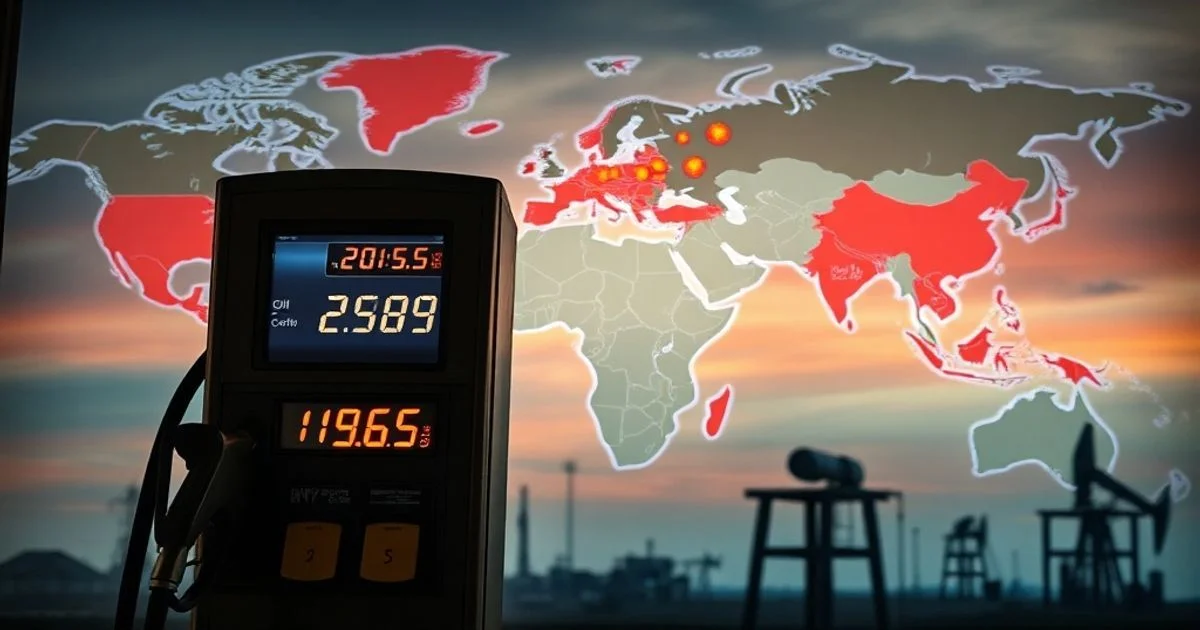
The global energy landscape is currently in a state of flux, with consumers worldwide feeling the pinch at the pump. Gas Prices Soar Amidst Global Oil Tensions, reflecting a volatile mix of geopolitical instability, supply chain pressures, and shifting demand dynamics. This surge in energy costs is not merely an inconvenience; it represents a significant economic challenge that warrants understanding for those who need to know how these global shifts impact their daily lives and the broader economy.
- The Escalating Crisis: Gas Prices Soar Amidst Global Oil Tensions
- The Complex Web of Global Oil Production and Demand
- Expert Insights on the Energy Landscape
- Government Responses and Mitigation Strategies
- Economic Repercussions Beyond the Pump
- Navigating Uncertainty: What Lies Ahead
- Conclusion
- Frequently Asked Questions
- Further Reading & Resources
The Escalating Crisis: Gas Prices Soar Amidst Global Oil Tensions
The dramatic increase in gas prices has become a pressing concern for households and industries across the globe. Recent data indicates that crude oil benchmarks, such as Brent and WTI, have seen substantial gains over the past few months, directly translating to higher costs for refined products like gasoline and diesel. This escalation is largely attributable to a confluence of factors, spearheaded by a strained global oil supply coupled with persistent geopolitical uncertainties in key producing regions.
The immediate impact has been felt by commuters and businesses reliant on transportation, with increased operational costs filtering down to consumer goods and services, exacerbating inflationary pressures. Many analysts are closely watching the situation, concerned that sustained high energy prices could stifle economic recovery efforts in various nations.
Geopolitical Flashpoints and Supply Chain Disruptions
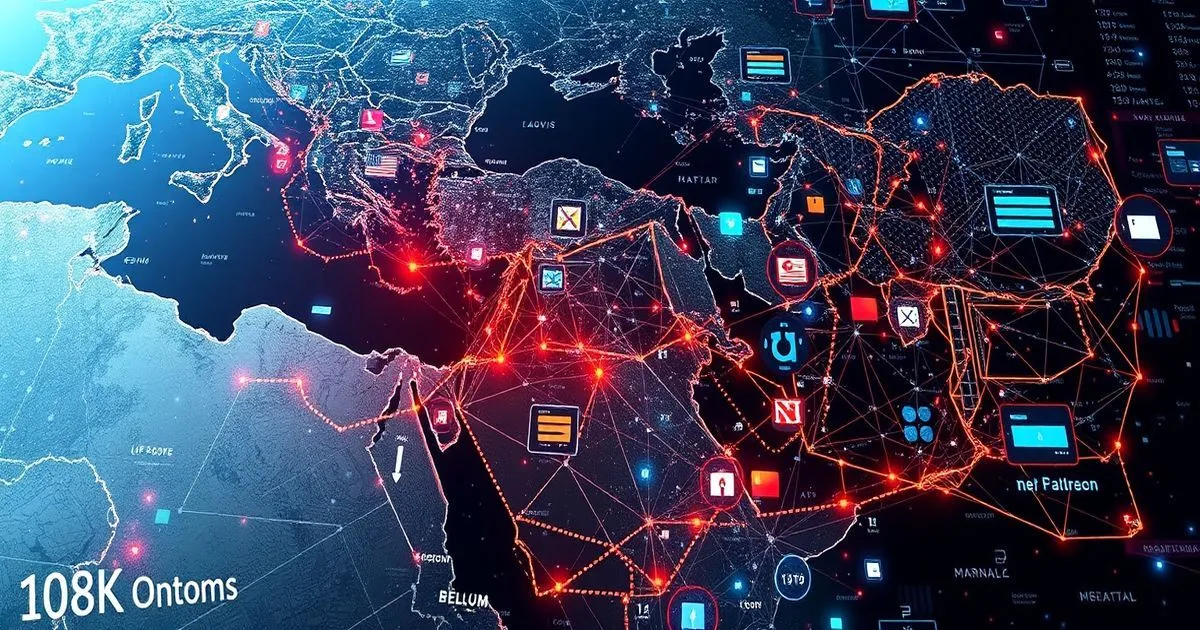
Geopolitical developments play a disproportionately large role in the global oil market due to the concentration of significant oil reserves in politically sensitive areas. Conflicts and geopolitical instability involving Iran in regions like the Middle East, Eastern Europe, and parts of Africa can directly threaten oil production facilities, transit routes, and export capabilities. Even the threat of disruption can send futures prices soaring as traders price in potential supply shortfalls. For instance, recent escalations in conflicts have directly led to fears of restricted access to major shipping lanes, such as the Strait of Hormuz, a critical chokepoint for a substantial portion of the world's oil supply.
Beyond active conflicts, sanctions imposed on major oil-producing nations also remove significant volumes of crude from the international market, creating an artificial scarcity. This reduction in available supply, even if demand remains constant or slightly decreases, naturally pushes prices upward. Furthermore, the global supply chain, still recovering from pandemic-induced disruptions, faces challenges ranging from labor shortages to port congestion, all of which contribute to the increased cost and reduced efficiency of transporting crude oil and refined products worldwide.
The Complex Web of Global Oil Production and Demand
Understanding the dynamics of current gas prices requires a look into the intricate balance between global oil production and demand. Organizations like OPEC+ (Organization of the Petroleum Exporting Countries and its allies) exert considerable influence over the supply side. Their decisions on production quotas directly impact the availability of crude oil on the international market. For example, a collective decision by OPEC+ to maintain or even cut production in response to perceived market oversupply, or to stabilize prices, can significantly tighten global supply, leading to price hikes.
Conversely, non-OPEC producers, including the United States, Canada, and Brazil, also contribute substantially to global supply. However, their production levels are often influenced by market prices, technological advancements in extraction (like fracking), and regulatory environments. The interplay between these major producing blocs determines the overall global supply picture.
On the demand side, several factors are at play. Post-pandemic economic recoveries in many parts of the world have led to a resurgence in travel and industrial activity, increasing the appetite for energy. Emerging economies, particularly in Asia, continue to drive long-term demand growth as their populations expand and industrialization progresses. Seasonal factors, such as increased driving during summer months in the Northern Hemisphere, also contribute to temporary spikes in demand for gasoline. The delicate balance between this fluctuating demand and the often-constrained supply sets the stage for price volatility.
The Role of Futures Markets and Speculation
While fundamental supply and demand factors are crucial, the price of crude oil is also heavily influenced by futures markets and the activities of financial speculators. Oil futures contracts, which allow traders to buy or sell a specified quantity of oil at a predetermined price on a future date, are essential for producers and refiners to hedge against price fluctuations. However, these markets also attract speculative trading.
Market sentiment, often driven by news events, economic forecasts, and geopolitical tensions, can lead to significant price movements. If traders anticipate future supply shortages or increased demand, they might buy up futures contracts, pushing prices higher. Conversely, fears of a global recession or an increase in supply could lead to sell-offs, driving prices down. This speculative activity, while providing liquidity to the market, can amplify price volatility beyond what physical supply and demand alone might dictate.
Expert Insights on the Energy Landscape
Energy analysts and economists offer diverse perspectives on the current surge in gas prices and what the future might hold. Many experts agree that the combination of geopolitical risk and a somewhat inelastic supply side is the primary driver. Dr. Anya Sharma, a leading energy economist, recently stated, "The market is fundamentally undersupplied relative to the resurgent demand, and any whisper of geopolitical instability sends tremors through trading floors. This isn't just about supply, it's about perceived risk."
Other experts point to underinvestment in oil production capacity over the past few years as a contributing factor. With increasing pressure for a transition to renewable energy, some major oil companies have scaled back exploration and production investments, leading to a slower response time when demand unexpectedly surges. "We're seeing the consequences of years of reduced capital expenditure in the upstream sector," noted Mark Peterson, an independent oil market consultant. "Bringing new production online is a lengthy and expensive process, and that pipeline isn't as robust as it once was."
There are also differing views on the longevity of the current price surge. Some analysts believe that if geopolitical tensions ease and OPEC+ decides to significantly boost production, prices could stabilize or even decline later in the year. Others are more pessimistic, arguing that the structural challenges of energy transition, coupled with ongoing global uncertainties, mean higher prices are likely to persist for the foreseeable future.
Regional Variations and Consumer Impact
The impact of rising gas prices is not uniform across the globe; it varies significantly depending on a country's energy policies, taxation rates, refining capacity, and economic structure. Nations heavily reliant on oil imports, particularly those with high fuel taxes, often experience the most dramatic price increases at the pump. Conversely, oil-exporting nations may see a temporary boost to their revenues, though their citizens are still subject to global market prices.
For the average consumer, the immediate effect is a reduction in discretionary income. Higher fuel costs mean less money available for other necessities or leisure activities. This can lead to changes in commuting habits, such as increased use of public transport, carpooling, or a shift to more fuel-efficient vehicles. For businesses, especially those in logistics, agriculture, and manufacturing, increased fuel costs directly translate to higher operational expenses, which are often passed on to consumers in the form of higher prices for goods and services. This ripple effect contributes to broader inflationary trends, eroding purchasing power and potentially slowing economic growth.
Government Responses and Mitigation Strategies
Governments worldwide are grappling with the challenge of soaring gas prices and are exploring various measures to alleviate the burden on consumers and businesses. One common strategy is the release of oil from Strategic Petroleum Reserves (SPRs). Countries like the United States maintain these reserves to provide an emergency supply in times of severe disruption or high prices. Releasing oil from the SPR aims to increase immediate supply on the market, theoretically pushing prices down. However, the effectiveness of such releases can be debated, as they represent a temporary measure against a backdrop of fundamental supply-demand imbalances.
Other governmental interventions include temporary tax holidays on gasoline, reducing excise duties or sales taxes to lower the final price at the pump. Some governments also offer direct subsidies or rebates to households or specific industries to offset higher energy costs. These measures, while providing immediate relief, often come with fiscal implications and can sometimes be politically sensitive. Furthermore, some governments are actively engaging in diplomatic efforts to encourage major oil-producing nations to increase their output, aiming to address the supply side of the equation.
Diversification and Renewable Energy Transition
In the long term, many nations are accelerating their efforts towards energy diversification and a transition to renewable energy sources as a strategic response to fossil fuel price volatility and climate change concerns. Investments in solar, wind, and geothermal power are increasing, as are initiatives to improve energy efficiency across all sectors. The development of electric vehicle infrastructure and incentives for EV adoption are also crucial components of this strategy, aiming to reduce reliance on gasoline-powered transportation.
However, this transition is not without its challenges. The scale and speed required to meaningfully shift global energy consumption away from fossil fuels are immense, requiring significant capital investment, technological advancements, and supportive policy frameworks. Intermittency of some renewable sources, storage solutions, and the need to upgrade existing grid infrastructure are all hurdles that must be overcome. Despite these obstacles, the current crisis serves as a stark reminder of the imperative to build a more resilient and sustainable energy future.
Economic Repercussions Beyond the Pump
The ripple effects of high gas prices extend far beyond the immediate cost at the fuel station. They contribute significantly to broader inflationary pressures, as the cost of transporting goods and producing energy-intensive products rises. This "cost-push" inflation can erode consumer purchasing power, as wages may not keep pace with increasing prices for essential goods and services. Central banks around the world are closely monitoring these inflationary trends, with many forced to consider interest rate hikes to tame inflation, even at the risk of slowing economic growth.
Industries such as aviation, shipping, trucking, and agriculture are particularly vulnerable, as fuel constitutes a major operational expense. Airlines face increased jet fuel costs, often leading to higher ticket prices. Farmers experience higher costs for machinery operation and fertilizer production, which can translate to more expensive food. Manufacturers also face higher energy bills for their factories and increased transportation costs for raw materials and finished goods. This widespread impact on various sectors can stunt economic expansion and, in severe cases, even trigger fears of a global recession.
The Interconnectedness of Global Economies
In an increasingly interconnected world, economic shocks originating from rising energy costs in one region can quickly spread globally. A slowdown in major economies due to high energy prices can reduce demand for exports from other nations, impacting their manufacturing and trade sectors. Furthermore, rising oil prices can exacerbate trade imbalances, particularly for oil-importing nations, leading to currency depreciation as they need to spend more of their local currency to purchase foreign oil. This depreciation can, in turn, make other imported goods more expensive, creating a vicious cycle of inflation.
For developing nations, the situation can be even more precarious. Many are heavily reliant on imported oil and may lack the fiscal capacity to subsidize fuel costs or invest heavily in alternative energy sources. This can lead to social unrest as basic necessities become unaffordable, complicating governance and development efforts. The global economy is a complex ecosystem, and sustained high energy costs act as a significant stressor, testing the resilience and adaptive capacities of nations worldwide.
Navigating Uncertainty: What Lies Ahead
The immediate outlook for gas prices remains uncertain, heavily contingent on geopolitical developments and the production decisions of major oil-producing blocs. While some analysts foresee a potential easing of prices if global tensions de-escalate and supply increases, others predict continued volatility due to persistent structural imbalances in the energy market and ongoing conflicts. Consumers and businesses should prepare for the possibility of continued fluctuations, making adaptive strategies critical.
In the long term, the narrative will increasingly shift towards energy independence and a accelerated transition to sustainable energy sources. The current challenges highlight the economic and geopolitical vulnerabilities associated with a heavy reliance on fossil fuels. Investments in renewable energy technologies, grid modernization, and energy efficiency are not just environmental imperatives but economic necessities.
Conclusion
The current environment where Gas Prices Soar Amidst Global Oil Tensions serves as a powerful reminder of the delicate balance governing global energy markets. Geopolitical instability, supply constraints, and shifting demand dynamics are converging to create a challenging economic climate. While governments and international organizations work to mitigate the immediate impacts, the crisis underscores the urgent need for long-term strategies focused on energy diversification, sustainable practices, and robust international cooperation to ensure a more stable and resilient energy future for everyone.
Frequently Asked Questions
Q: Why are gas prices rising now?
A: Gas prices are rising due to a combination of factors, including geopolitical instability in key oil-producing regions, decisions by OPEC+ on production quotas, and a resurgence in global demand following economic recoveries. Speculative trading on futures markets also contributes to volatility.
Q: How do geopolitical events affect gas prices?
A: Geopolitical events like conflicts or sanctions in major oil-producing regions can disrupt supply, threaten transit routes, or reduce available crude on the market. Even the threat of such disruptions can cause oil futures prices to soar as traders anticipate supply shortages.
Q: What are governments doing to address high gas prices?
A: Governments are implementing various strategies, including releasing oil from strategic reserves, offering temporary tax holidays on fuel, and providing direct subsidies. Long-term efforts focus on accelerating the transition to renewable energy sources and improving energy efficiency to reduce reliance on fossil fuels.