Frozen Egg Hack: TikTok's Latest Culinary Craze Takes Over Kitchens
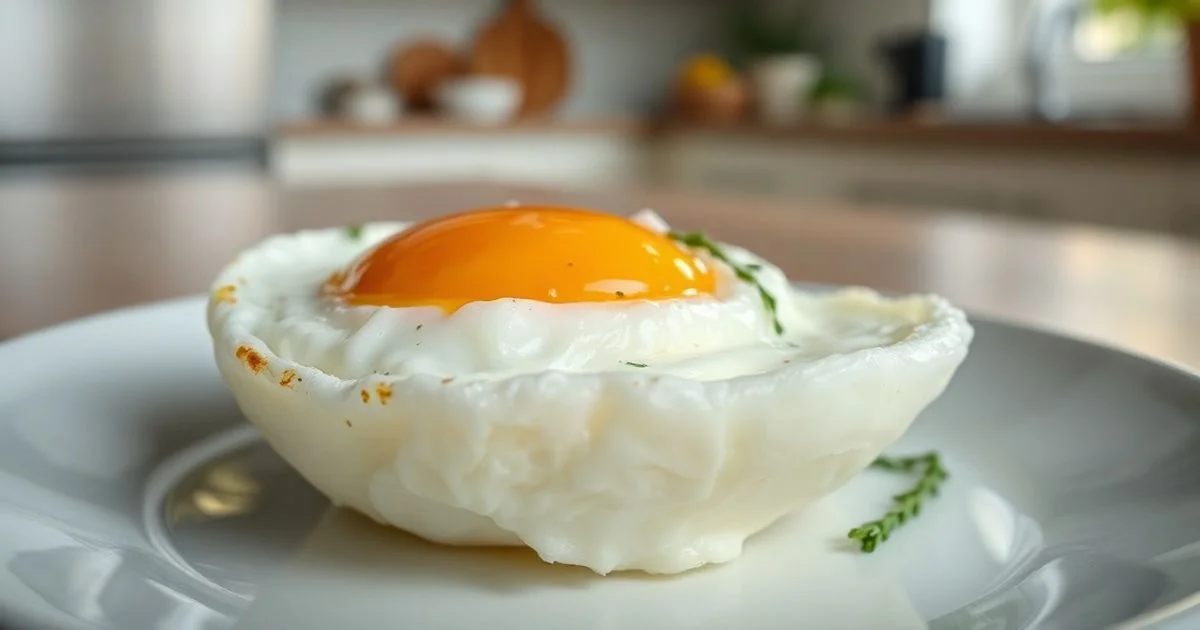
The digital culinary landscape is constantly evolving, with new trends emerging from social media platforms to redefine home cooking. The latest sensation captivating kitchens worldwide is the Frozen Egg Hack: TikTok's Latest Culinary Craze! This unexpected technique involves freezing raw eggs, then thawing and cooking them, yielding a surprisingly different texture and flavor profile that has sparked immense interest among food enthusiasts and casual cooks alike. As this culinary craze takes over kitchens, many are experimenting with this simple yet transformative method to elevate their breakfast and brunch dishes.
- The Genesis of the Frozen Egg Phenomenon
- How to Master the Frozen Egg Hack: A Step-by-Step Guide
- Exploring the Unique Textures and Flavors
- The Science Behind the "Craze": Why Does it Work?
- Beyond TikTok: The Impact on Culinary Innovation
- Conclusion: The Enduring Allure of the Frozen Egg Hack: TikTok's Latest Culinary Craze!
- Frequently Asked Questions
- Further Reading & Resources
The Genesis of the Frozen Egg Phenomenon
The concept of freezing eggs isn't entirely new in culinary circles, particularly for long-term storage or for separating yolks and whites more easily. However, its recent resurgence and viral explosion on TikTok have propelled it into the mainstream as a bona fide cooking hack. Users began sharing videos showcasing the dramatic textural shift that occurs when an egg is frozen in its shell, then carefully peeled, thawed, and cooked. These visually striking transformations, often accompanied by enthusiastic reviews, quickly garnered millions of views, turning a niche technique into a global food trend.
What Exactly is the Frozen Egg Hack?
At its core, the frozen egg hack involves placing whole, raw eggs (still in their shells) into a freezer for several hours, typically overnight, until they are solid. The freezing process causes the liquid inside the egg to expand, often resulting in a cracked shell – a tell-tale sign that the egg is ready. Once frozen, the egg is removed from the freezer and allowed to thaw, either in the refrigerator overnight or by submerging it in cold water. After thawing, the shell is peeled away, revealing an egg with a gelatinous, almost solid yolk and a slightly firmer white. This altered consistency is what makes the hack so intriguing, offering a unique culinary experience distinct from cooking a fresh, unfrozen egg.
A Brief History of Egg Preservation
While the TikTok trend highlights a novel cooking application, the preservation of eggs through freezing has historical roots. Before modern refrigeration, various methods like liming, salting, or pickling were used to extend the shelf life of eggs. Freezing as a preservation method became more accessible with the advent of household freezers. Traditionally, eggs intended for freezing were often cracked and separated, or whisked, before being stored in containers. The recent TikTok hack, however, focuses on freezing the entire egg in its shell, primarily for its textural impact rather than just preservation. This evolution in food preparation and preservation parallels the rich history behind other staple foods, such as the historical origins of global coffee culture.
How to Master the Frozen Egg Hack: A Step-by-Step Guide
Embarking on the frozen egg journey is relatively straightforward, but precise steps ensure the best results.
Step-by-Step Instructions
-
Freeze the Eggs: Place fresh, raw eggs directly into the freezer. Ensure they are laid flat to prevent cracking due to expansion during freezing. Allow them to freeze solid, which typically takes 12-24 hours depending on your freezer's temperature. You'll notice the shells might crack as the liquid inside expands.
-
Thaw the Eggs: Once completely frozen, remove the eggs. You have a couple of thawing options:
-
Refrigerator Thaw: Transfer the frozen eggs to the refrigerator and let them thaw overnight (8-12 hours). This method is slower but ensures a more gradual and even thaw.
-
Cold Water Thaw: For a quicker thaw, place the frozen eggs in a bowl of cold water. Change the water every 30 minutes to maintain its cold temperature. This can take 1-2 hours.
-
-
Peel the Eggs: After thawing, the shell can be surprisingly easy to peel away. The expanded egg often separates cleanly from the shell membrane. If it's still a bit tricky, a gentle tap can help.
-
Cook as Desired: The thawed, peeled egg is now ready for cooking. The most common methods include frying, poaching, or even grilling. The magic happens during cooking, where the dense yolk retains its form, creating a unique texture.
Essential Tips for Success
-
Fresh Eggs are Best: While the hack works with most eggs, fresher eggs tend to yield better results and are less likely to have issues with shell integrity during freezing.
-
Handle with Care: Frozen eggs can be brittle. Handle them carefully, especially during thawing and peeling, to avoid accidental breakage.
-
Patience with Thawing: Rushing the thawing process, especially with hot water, can lead to undesirable textures or make peeling more difficult. Cold or refrigerated thawing is recommended.
-
Experiment with Cooking Methods: While frying is popular, don't shy away from experimenting with poaching or baking. Each method can bring out different nuances of the frozen egg's unique texture.
Exploring the Unique Textures and Flavors
The most compelling aspect of the frozen egg hack lies in the profound textural transformation it imparts. Unlike a regular raw egg, which has a runny yolk and translucent white, a frozen and thawed egg presents an entirely different culinary canvas.
The Transformed Yolk
The yolk is arguably the star of the show. After freezing and thawing, it becomes dense, gelatinous, and almost "gummy" in texture. When cooked, instead of flowing freely, it often holds its shape, maintaining a rich, custardy interior. This firm, almost chewy consistency provides a luxurious mouthfeel that is distinct from a traditional runny yolk. Many describe it as having a more concentrated flavor, often likened to a rich, savory custard or even a soft-boiled egg yolk but with a unique chewiness. This makes it an excellent candidate for dishes where a firm yet creamy yolk is desired, such as on toast, salads, or as a topping for ramen.
The Altered White
While less dramatic than the yolk, the egg white also undergoes a transformation. It tends to become slightly firmer and more opaque even before cooking. Once cooked, it often has a more uniform, less rubbery texture than a typical fried egg white. The overall result is a more cohesive and tender egg, where the white complements the unique consistency of the yolk without overpowering it.
Culinary Applications and Pairing Ideas
The unique texture of the frozen egg opens up a world of culinary possibilities.
-
Elevated Breakfasts: A fried frozen egg on avocado toast with a sprinkle of chili flakes and everything bagel seasoning provides a gourmet twist on a classic.
-
Ramen Topping: The firm, custardy yolk is a perfect addition to a bowl of steaming ramen, adding richness and a satisfying texture.
-
Salad Enhancer: Slice a poached or fried frozen egg over a fresh green salad to add a substantial, protein-rich element with an intriguing texture.
-
Burgers and Sandwiches: Place a fried frozen egg on a burger or a breakfast sandwich for an extra layer of flavor and a unique mouthfeel that holds up well.
-
Deviled Eggs Reinvented: Imagine deviled eggs where the yolk has a firmer, more intensely flavored base. This could be a creative new take on the appetizer.
The Science Behind the "Craze": Why Does it Work?
Understanding the scientific principles behind the frozen egg hack demystifies the process and helps explain its unique outcomes.
The Role of Freezing on Egg Composition
When a raw egg is frozen, the water molecules within both the yolk and the white expand and crystallize. This expansion is why the egg shell often cracks. More importantly, the freezing process breaks down the membranes and proteins within the egg. In the yolk, the phospholipids and lipoproteins that typically keep it emulsified are disrupted. Upon thawing, this disruption leads to a permanent change in the yolk's texture, making it thicker and more viscous. It essentially prevents the yolk from returning to its original runny state.
The white also undergoes changes, becoming slightly more opaque and firm. This is due to the denaturation and aggregation of proteins, which reorganize into a denser structure. This permanent alteration of protein structure is what gives the frozen egg its distinct properties after thawing and cooking.
Food Safety Considerations
While the frozen egg hack offers an exciting culinary experience, it's crucial to address food safety.
Safe Handling and Storage:
-
Freezing in Shell: Freezing eggs in their shells is generally safe. The cold temperature inhibits bacterial growth.
-
Thawing Safely: Thawing eggs in the refrigerator or cold water is critical to prevent bacterial proliferation. Thawing at room temperature for extended periods or using hot water can create a "danger zone" where bacteria like Salmonella can multiply rapidly.
-
Prompt Cooking: Once thawed, frozen eggs should be cooked immediately, just like any fresh egg. Do not refreeze thawed eggs.
-
Cracked Shells: If the shell cracks during freezing, it's generally safe as long as the egg is cooked thoroughly. However, if the egg comes into contact with external contaminants through a large crack, it's safer to discard it.
The USDA generally recommends cracking eggs and removing them from their shells before freezing for optimal safety and quality, especially for longer storage. However, for the specific purpose of the "frozen egg hack" with immediate cooking after thawing, freezing in the shell is widely practiced without reported widespread issues, provided proper thawing and cooking guidelines are followed. This stands in contrast to other viral trends, like a viral TikTok challenge that unfortunately caused severe burns in a child.
Beyond TikTok: The Impact on Culinary Innovation
The Frozen Egg Hack: TikTok's Latest Culinary Craze! is more than just a fleeting trend; it represents a broader phenomenon of culinary democratization and innovation driven by social media.
Empowering Home Cooks
Platforms like TikTok have empowered home cooks to experiment, share, and discover new techniques at an unprecedented pace. Professional chefs once guarded many culinary "secrets" or specialized methods. Now, anyone with a smartphone can stumble upon an ingenious hack and replicate it in their own kitchen. This accessibility fosters a vibrant community of amateur chefs, constantly pushing the boundaries of everyday cooking. The frozen egg hack is a prime example of how a simple, accessible idea can generate widespread enthusiasm and creative adaptation, much like other viral gestures that have sparked tips frenzies across social media.
Inspiring Professional Kitchens
While the frozen egg hack originated in home kitchens, its popularity has undoubtedly caught the attention of professional chefs and culinary innovators. The unique texture of the frozen yolk presents an opportunity to create novel dishes or reinterpret classic ones. Restaurants might explore incorporating this technique into gourmet breakfast menus, modern appetizer plates, or even molecular gastronomy creations, leveraging the firm, custardy yolk in unexpected ways. This cross-pollination between amateur experimentation and professional refinement often leads to lasting culinary advancements.
The Future of Food Trends
The success of the frozen egg hack highlights several characteristics of modern food trends:
-
Visual Appeal: The dramatic transformation of the egg is highly shareable and visually engaging.
-
Simplicity and Accessibility: It requires minimal specialized equipment or ingredients.
-
Novelty: It offers a genuinely new experience for a common ingredient.
-
Community Engagement: It encourages participation, sharing, and variation, fostering a sense of collective discovery.
As social media continues to shape our dining habits and cooking practices, we can expect to see more such "hacks" emerge, constantly challenging our perceptions of food and how it can be prepared. The frozen egg hack serves as a reminder that even the simplest ingredients hold untapped potential for culinary creativity.
Conclusion: The Enduring Allure of the Frozen Egg Hack: TikTok's Latest Culinary Craze!
The journey of the humble egg from freezer to frying pan has proven to be one of TikTok's most captivating culinary phenomena. The Frozen Egg Hack: TikTok's Latest Culinary Craze! has not only introduced a fascinating new texture to a pantry staple but has also underscored the powerful role of social media in shaping modern food culture. By offering a simple yet profoundly transformative cooking method, it has inspired countless individuals to explore new gastronomic horizons, demonstrating that culinary innovation can truly begin in any kitchen, anywhere. Whether you're a seasoned chef or a curious home cook, the frozen egg hack invites you to rediscover the versatility of the egg and join the vibrant global conversation around food.
Frequently Asked Questions
Q: What exactly is the TikTok Frozen Egg Hack?
A: It involves freezing raw eggs in their shells, then thawing and cooking them. This process alters the egg's texture, making the yolk dense and gelatinous, while the white becomes firmer.
Q: Is the Frozen Egg Hack safe to try at home?
A: Yes, it's generally safe if proper food safety guidelines are followed. Always thaw eggs in the refrigerator or cold water, never at room temperature, and cook them thoroughly immediately after thawing to prevent bacterial growth.
Q: What makes frozen eggs different from regular eggs when cooked?
A: The freezing process denatures proteins, making the yolk dense and custardy instead of runny, and the white slightly firmer. This results in a unique, luxurious mouthfeel, perfect for specific culinary applications.