Evolution of Traditional Fermentation: Tech-Forward Culinary Methods
The culinary world, often perceived through the lens of artistry and tradition, is currently experiencing a profound technological renaissance. At its heart lies the humble yet powerful process of fermentation, an ancient technique now being redefined by modern science and engineering. This deep dive explores the evolution of traditional fermentation methods in cooking, dissecting how millennia-old practices are being optimized, scaled, and innovated upon, fundamentally altering our approach to food preparation, flavor development, and nutritional science. For the tech-savvy reader, understanding this convergence reveals not just a culinary shift, but a fascinating intersection of microbiology, data analytics, and gastronomic ingenuity, pushing the boundaries of what’s possible in our kitchens and food systems.
- Decoding the Fermentation Process: A Microbial Symphony
- The Evolution of Traditional Fermentation Methods: A Historical Perspective
- The Technological Infusion: Modernizing Fermentation Processes
- Key Innovations Shaping Fermentation's Future
- Real-World Culinary Applications: From Labs to Plates
- Challenges and Opportunities: The Road Ahead
- Conclusion: Fermentation's Future on Our Plates
- Frequently Asked Questions
- Further Reading & Resources
Decoding the Fermentation Process: A Microbial Symphony
Fermentation, at its core, is a metabolic process where microorganisms convert carbohydrates (like sugars) into alcohol, gases, or organic acids. This anaerobic (oxygen-free) process is a natural marvel, historically harnessed for food preservation, flavor enhancement, and nutritional enrichment long before humanity understood the microbial mechanisms at play. For our tech-oriented audience, it's helpful to visualize this as a complex biochemical algorithm executed by a diverse ecosystem of microscopic agents.
The Microbial Engineers: Bacteria, Yeast, and Molds
Different types of microorganisms are responsible for distinct fermentation outcomes, each with specific metabolic pathways:
-
Bacteria (e.g., Lactobacillus, Acetobacter): These are workhorses for many fermented foods. Lactic acid bacteria, for instance, convert sugars into lactic acid, responsible for the tangy flavor in yogurt, kimchi, and sourdough. Acetobacter converts ethanol into acetic acid, vital for vinegar production.
-
Yeasts (e.g., Saccharomyces cerevisiae): Primarily known for their role in alcoholic fermentation, yeasts convert sugars into ethanol and carbon dioxide. This process is fundamental to brewing beer, making wine, and leavening bread. The CO2 gas creates the airy texture in bread, while ethanol contributes to alcohol content in beverages.
-
Molds (e.g., Aspergillus, Penicillium): Often used in specific solid-state fermentations, molds play a critical role in products like tempeh, miso, and certain cheeses. They break down complex proteins and carbohydrates into simpler, more digestible compounds, contributing unique umami flavors and textures. For instance, Rhizopus oligosporus spores bind soybeans together in tempeh, digesting them and making nutrients more bioavailable.
The Biochemical Transformations: From Substrate to Product
The magic of fermentation lies in these biochemical conversions. For instance, in lactic acid fermentation, glucose is broken down via glycolysis into pyruvate, which is then converted into lactic acid. This acid not only preserves food by lowering pH, inhibiting spoilage organisms, but also imparts a characteristic sour taste. In alcoholic fermentation, pyruvate is decarboxylated to acetaldehyde, which is then reduced to ethanol.
Substrate Breakdown Example:
Glucose (C6H12O6) → 2 Pyruvate → 2 Lactic Acid (Lactic Acid Fermentation)
Glucose (C6H12O6) → 2 Pyruvate → 2 Acetaldehyde + 2 CO2 → 2 Ethanol + 2 CO2 (Alcoholic Fermentation)
Understanding these pathways is crucial for modern applications, allowing scientists and chefs to precisely manipulate conditions to favor desired metabolic outcomes and microbial profiles.
The Evolution of Traditional Fermentation Methods: A Historical Perspective
For millennia, communities worldwide independently discovered and perfected fermentation without any knowledge of microorganisms. These traditional methods were born out of necessity – a means to preserve harvests, enhance nutrition, and create diverse flavors. They represent a global, decentralized "open-source" project of culinary innovation.
Ancient Roots: Empirical Science in the Kitchen
The earliest evidence of fermented foods dates back thousands of years. From Neolithic humans brewing rudimentary beer from grain to ancient Egyptians baking leavened bread, these practices were deeply ingrained in human survival and culture. The methods were largely empirical, passed down through generations, relying on observation, trial-and-error, and the careful stewardship of starter cultures, albeit unknowingly. A pinch of the previous day's dough, a scoop of last year's brine – these were the early, unsung heroes of microbial inoculation.
Staple Traditional Fermented Foods Across Cultures:
-
Dairy Fermentation (Yogurt, Kefir, Cheese):
- Originating independently in various pastoral cultures across the Middle East, Central Asia, and Europe, dairy fermentation transformed highly perishable milk into nutrient-dense, storable foods. Lactic acid bacteria (LAB) consume lactose, producing lactic acid, which coagulates milk proteins and acts as a natural preservative.
- Examples: Yogurt, with origins in Mesopotamia; Kefir from the Caucasus Mountains; and a vast array of cheeses, each defined by specific microbial communities and aging conditions.
-
Vegetable Fermentation (Sauerkraut, Kimchi, Pickles):
- Fermenting vegetables was a common practice globally, especially in regions with harsh winters, ensuring a supply of vitamins and probiotics. Brining vegetables in salt water draws out their natural sugars, which are then consumed by LAB present on the vegetable surfaces.
- Examples: Sauerkraut, a staple in Central and Eastern Europe; Kimchi, the national dish of Korea, boasting a complex microbiota; and various forms of pickled vegetables found in nearly every culinary tradition.
-
Grain & Legume Fermentation (Sourdough, Tempeh, Miso):
- These fermentations often address issues of digestibility, nutrient availability, and flavor development in staple crops.
- Sourdough Bread: Utilizes a symbiotic culture of yeast (Saccharomyces cerevisiae) and lactic acid bacteria (Lactobacillus sanfranciscensis being a famous example) to leaven dough, break down gluten, and impart complex flavors. Evidence suggests sourdough techniques date back to ancient Egypt.
- Tempeh: An Indonesian staple made from soybeans fermented with Rhizopus oligosporus mold. The mold mycelium binds the soybeans into a firm cake, increasing protein digestibility and creating umami flavors.
- Miso: A Japanese seasoning paste made from fermented soybeans (and often rice or barley) with Aspergillus oryzae (koji mold) and then yeasts and bacteria. Its complex flavor profile develops over months or years.
-
Beverage Fermentation (Wine, Beer, Kombucha, Kvass):
- Alcoholic beverages were among the earliest fermented products, potentially even preceding bread. They provided safe, caloric drinks.
- Wine: Made from fermented fruit (primarily grape) juice using yeast (Saccharomyces cerevisiae), with evidence dating back 8,000 years in Georgia.
- Beer: Brewed from fermented grains, known from ancient Mesopotamia, it was a fundamental part of diets and rituals.
- Kombucha: A fermented tea beverage, likely originating in East Asia, involves a SCOBY (Symbiotic Culture of Bacteria and Yeast) that ferments sweetened tea.
- Kvass: A traditional Slavic and Baltic fermented beverage made from rye bread.
These methods, while effective, were also inherently variable. Success depended on ambient temperatures, the cleanliness of equipment, and the mysterious vitality of the "starter" culture – factors that often led to unpredictable results, spoilage, or inconsistent quality. This inherent variability, while sometimes celebrated as artisanal, laid the groundwork for modern scientific intervention.
The Technological Infusion: Modernizing Fermentation Processes
The 19th and 20th centuries brought microbiology into focus, thanks to pioneers like Louis Pasteur. Suddenly, the "why" behind fermentation became clear. This scientific understanding unlocked new possibilities, transforming fermentation from an art to a controllable science, paving the way for the sophisticated "tech-forward culinary methods" we see today.
Controlled Environments: Precision Fermentation Apparatus
One of the most significant advancements is the ability to create precisely controlled environments. Traditional fermentation relied on ambient conditions; modern approaches leverage technology to optimize every variable.
-
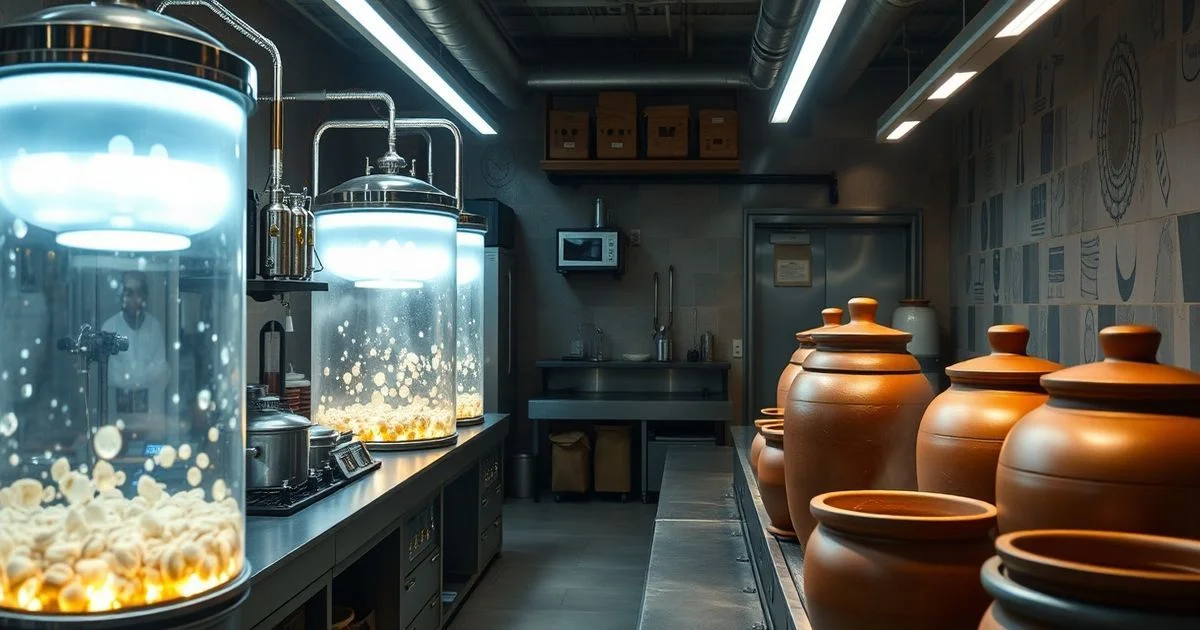
Bioreactors and Fermenters: These are the workhorses of industrial and now even advanced culinary fermentation. They are closed vessels designed to maintain optimal conditions for microbial growth and activity.
- Temperature Control: Automated heating and cooling systems ensure the target microorganisms thrive, accelerating desired metabolic pathways and preventing the growth of spoilage organisms. Sensors provide real-time thermal data.
- pH Monitoring and Adjustment: pH is crucial; it influences enzyme activity, microbial competition, and flavor development. Automated systems use pH probes to monitor acidity and inject buffers or acids/bases to maintain the desired range.
- Agitation and Aeration: Stirring mechanisms (impellers) ensure homogeneous distribution of nutrients and microorganisms. For aerobic fermentations, spargers introduce controlled amounts of oxygen, vital for yeast respiration in specific phases or for certain mold growth.
- Pressure Regulation: For gas-producing fermentations (like beer or sparkling wines), pressure valves control headspace pressure, influencing carbonation and preventing explosion.
-
Smart Kitchen Appliances: On a smaller scale, home and restaurant kitchens are seeing "smart" fermenters. These devices often integrate sensors, programmable logic controllers (PLCs), and even connectivity for remote monitoring. They can automate temperature cycles for specific ferments (e.g., precise koji incubation, multi-stage sourdough proofing), taking the guesswork out of complex traditional methods.
Microbial Engineering: Tailoring the Tiny Chefs
Understanding the specific roles of different microbial strains has led to targeted manipulation and engineering. This is akin to selecting and optimizing specific software modules for a complex program.
-
Defined Starter Cultures: Instead of relying on environmental microbes or indefinite "back-slopping," modern fermentation uses commercially produced, precisely identified starter cultures.
- Single-Strain vs. Multi-Strain: Starters can be single species (e.g., Saccharomyces cerevisiae for specific beer styles) or carefully balanced blends (e.g., specific LAB cultures for yogurt) to achieve reproducible results and consistent flavor profiles.
- Lyophilized (Freeze-Dried) Cultures: These stable, dormant cultures can be stored for extended periods and activated when needed, ensuring consistency and preventing contamination from external microbes.
-
Genomic Sequencing and Selection: The ability to sequence microbial genomes allows scientists to identify strains with desirable traits, such as increased enzyme production (for better protein breakdown), enhanced flavor compound synthesis, or resistance to phages (viral infections). This leads to highly specialized cultures for specific applications.
- CRISPR and Gene Editing: While still primarily in research and industrial applications (e.g., biofuel production), gene-editing technologies like CRISPR offer the potential to precisely modify microbial strains to express novel enzymes, produce specific metabolites (like vitamins or antioxidants), or even tolerate extreme conditions. This opens doors to creating entirely new functional ingredients or optimizing existing fermentations for health benefits.
Sensor Technology & Real-time Monitoring: The Data-Driven Kitchen
The integration of advanced sensors marks a paradigm shift, moving fermentation from guesswork to data-driven precision. This provides chefs and food scientists with unprecedented insight into the microscopic processes at play.
- pH Sensors: Continuously monitor acidity, a critical indicator of fermentation progress and microbial activity.
- Temperature Probes: Provide precise thermal data, ensuring optimal conditions for desired cultures.
- Dissolved Oxygen (DO) Sensors: Measure oxygen levels in liquid ferments, crucial for controlling aerobic vs. anaerobic phases.
- Gas Analyzers (CO2, Ethanol): Can detect the real-time production of metabolic byproducts, indicating the rate and type of fermentation occurring. For example, monitoring CO2 off-gassing can inform yeast activity in brewing.
- Spectroscopy (NIR, Raman): Emerging technologies allow for non-invasive, real-time analysis of chemical composition, identifying changes in sugar levels, organic acids, and volatile aroma compounds without disturbing the ferment.
- IoT Integration: Sensors are increasingly connected to the Internet of Things (IoT), allowing data to be collected, transmitted, and analyzed remotely. This means a chef can monitor multiple fermentation batches from a smartphone, receiving alerts for deviations and adjusting parameters as needed.
AI and Data Analytics: Predictive Fermentation
The vast amounts of data generated by modern sensors are fertile ground for Artificial Intelligence (AI) and Machine Learning (ML). These tools are moving fermentation into a predictive and optimized realm.
- Predictive Modeling: ML algorithms can analyze historical fermentation data (temperature, pH, substrate composition, final product quality) to predict outcomes. This allows for proactive adjustments to prevent spoilage, optimize flavor, or achieve specific chemical profiles.
- Process Optimization: AI can identify the most efficient parameters for a given fermentation, minimizing resource use (energy, raw materials) and maximizing yield or desired flavor compounds. This is particularly valuable in industrial settings.
- Quality Control and Consistency: By continuously comparing real-time data to optimal profiles, AI can flag anomalies early, ensuring consistency across batches – a critical factor for commercial products.
- Novel Flavor Discovery: AI can correlate specific microbial strains and fermentation conditions with resulting flavor compounds, potentially leading to the discovery and creation of entirely new taste experiences. This moves beyond traditional empirical blending to targeted biochemical synthesis.
Key Innovations Shaping Fermentation's Future
Beyond the foundational technologies, several cutting-edge innovations are poised to redefine the landscape of fermentation, moving it from a "kitchen craft" to a powerful biotechnology platform.
Precision Fermentation: Engineering the Future of Food
This is perhaps the most revolutionary advancement. Precision fermentation leverages genetically engineered microorganisms (bacteria, yeast, fungi) to produce specific functional ingredients, proteins, fats, or flavor compounds, often identical to those found in plants or animals, but without needing the plant or animal itself.
- Alternative Proteins: Companies like Perfect Day are using precision fermentation to produce casein and whey proteins identical to those in cow's milk, without cows. This allows for the creation of dairy-identical products (milk, ice cream, cheese) that are animal-free, lactose-free, and significantly more sustainable.
- Novel Fats and Oils: Microorganisms can be engineered to produce specific fatty acids, opening possibilities for sustainable alternatives to palm oil or specialty fats for specific applications.
- Bespoke Ingredients: Imagine yeast strains producing specific antioxidants, vitamins, or rare flavor molecules on demand, tailored for nutritional supplements or gourmet dishes. This represents a customizable, on-demand bio-manufacturing process.
Integrated Fermentation Systems: Combining Technologies
The future isn't just about individual technologies but their seamless integration.
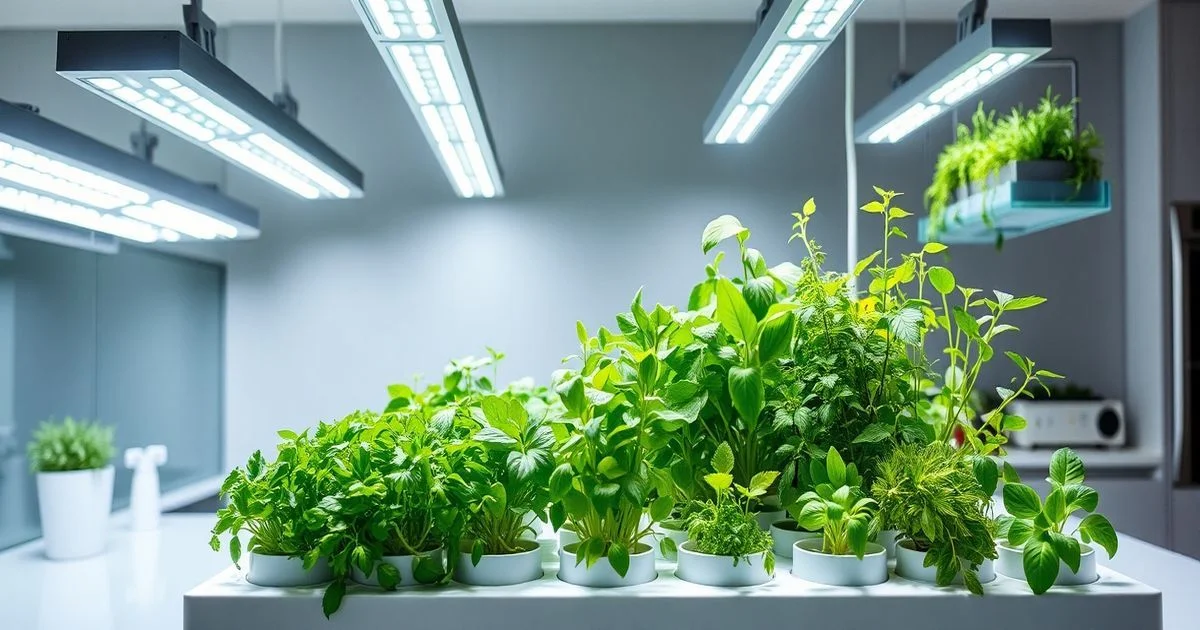
- Vertical Farms and Fermentation: Combining controlled-environment agriculture (vertical farms) with on-site fermentation allows for hyperlocal, hyper-efficient food production. Waste biomass from plant cultivation can be fed into fermenters to produce additional ingredients or fertilizers, creating a circular bio-economy within a single facility, much like the principles applied in How to Start a Sustainable Indoor Herb Garden for efficient home cultivation.
- Modular Bio-factories: Small, modular fermentation units that can be deployed anywhere, allowing for decentralized food production. This could empower communities to produce their own specialized ingredients or alternative proteins.
Microfluidics and Lab-on-a-Chip Technologies
At the micro-scale, lab-on-a-chip devices and microfluidics are enabling ultra-high-throughput screening of microbial strains and rapid optimization of fermentation conditions with minimal sample volumes. This accelerates research and development, quickly identifying the most promising microbial candidates and process parameters.
Real-World Culinary Applications: From Labs to Plates
These technological advancements are not confined to industrial behemoths or academic labs. They are actively reshaping professional kitchens, food manufacturing, and even home cooking.
Haute Cuisine and Molecular Gastronomy
High-end chefs are embracing modern fermentation techniques as a new frontier for flavor creation and textural manipulation.
- Controlled Koji Production: Koji, traditionally used for miso and sake, is now being used to break down proteins in meats, vegetables, and grains, creating intense umami, tenderizing textures, and developing complex flavor profiles that were previously unattainable. Smart incubators allow for precise temperature and humidity control to optimize koji growth.
- Precision Aromatization: Chefs are experimenting with specific microbial strains to generate targeted aroma compounds in ingredients, creating bespoke flavor notes in sauces, purees, and even desserts. This moves beyond traditional aging to directed flavor synthesis.
- Fermentation as a Service: Some specialized food tech companies now offer "fermentation as a service," where chefs can send ingredients to be fermented under highly controlled conditions, or even have custom microbial cultures developed for unique dishes.
Industrial Food Production: Efficiency, Safety, and Sustainability
In large-scale food manufacturing, the impact is even more profound.
- Enhanced Food Safety: Precise control over microbial cultures and environmental conditions significantly reduces the risk of spoilage and contamination from pathogenic bacteria, leading to safer, more consistent products.
- Increased Shelf Life: Optimized fermentation processes can extend the shelf life of products naturally, reducing reliance on artificial preservatives and minimizing food waste.
- Nutritional Enhancement: Fermentation can increase the bioavailability of nutrients, reduce anti-nutrients (like phytic acid in grains), and produce beneficial compounds like probiotics and vitamins. Modern techniques allow for targeted enhancement of these properties.
- Sustainable Protein Production: Precision fermentation offers a significantly more sustainable method for producing protein compared to traditional animal agriculture, requiring less land, water, and generating fewer greenhouse gas emissions. This is critical for feeding a growing global population sustainably, aligning with broader goals for Unlocking Heart Health: Benefits of Plant-Based Diets.
Personalized Nutrition and Functional Foods
The future of fermentation also intersects with personalized health.
- Tailored Probiotics: With advanced diagnostics, specific probiotic strains can be identified that benefit an individual's unique gut microbiome. Fermentation technologies could then produce foods or supplements containing these targeted strains.
- Bio-fortified Foods: Precision fermentation can produce ingredients rich in specific vitamins, minerals, or other functional compounds that can be incorporated into foods to address nutritional deficiencies. This focus on optimizing dietary intake is also crucial for performance, as highlighted in resources like Essential Nutrition for Long Distance Runners for specific needs.
- Allergen-Reduced Foods: Fermentation can break down common allergens, like gluten or lactose, making a wider range of foods accessible to individuals with sensitivities. Modern controlled methods ensure consistent and complete breakdown.
Challenges and Opportunities: The Road Ahead
While the technological evolution of traditional fermentation methods in cooking presents immense opportunities, it is not without its challenges. Navigating these will be crucial for widespread adoption and continued innovation.
Challenges:
-
Cost and Accessibility: Advanced bioreactors, specialized sensors, and genetically engineered starter cultures can be expensive. This limits access for small-scale producers and home cooks, potentially widening the gap between industrial and artisanal production. Democratizing access to these technologies is a key hurdle.
-
Regulatory Landscape: Novel fermented products, especially those involving genetically modified microorganisms or precision fermentation-derived ingredients, face complex and evolving regulatory pathways. Consumer acceptance and trust in these "new" foods also need careful management.
-
Maintaining Traditional Authenticity: As processes become more industrialized and standardized, there's a risk of losing the unique nuances and regional characteristics that define traditional fermented foods. Balancing consistency with complexity is a fine line.
-
Scaling and Industrialization: While labs demonstrate impressive capabilities, scaling these precise methods to industrial volumes while maintaining quality, cost-effectiveness, and avoiding contamination is a significant engineering challenge.
-
Energy Consumption: Maintaining highly controlled environments (temperature, pH, agitation) in large bioreactors can be energy-intensive. Developing more energy-efficient fermentation technologies is vital for sustainability.
-
Waste Management: While some precision fermentation reduces waste from animal agriculture, the fermentation process itself generates byproducts. Efficient and sustainable waste valorization strategies are needed.
Opportunities:
-
Sustainable Food Systems: Fermentation offers a powerful tool to reduce the environmental footprint of food production, particularly in protein and fat synthesis. It minimizes land use, water consumption, and greenhouse gas emissions compared to conventional agriculture.
-
Food Security and Resilience: Decentralized, controlled fermentation could enable local production of essential nutrients and diverse food items, bolstering food security, especially in regions with limited arable land or challenging climates.
-
New Culinary Horizons: The ability to precisely control flavor development, textures, and nutritional profiles opens up entirely new dimensions for chefs and food innovators, leading to unprecedented culinary experiences and ingredients.
-
Health and Wellness: Targeted probiotic delivery, enhanced nutrient bioavailability, and the creation of functional ingredients can significantly contribute to public health, addressing issues from gut health to specific nutritional deficiencies.
-
Economic Growth and Innovation: The fermentation technology sector is a rapidly expanding field, attracting significant investment and fostering innovation, creating new jobs and industries.
-
Resource Efficiency: Fermentation can utilize agricultural waste streams or inexpensive raw materials (like sugar beet molasses or cellulosic biomass) as substrates, transforming low-value inputs into high-value food components.
The future of food is undeniably fermented, and technology is the catalyst driving this transformation.
Conclusion: Fermentation's Future on Our Plates
From the serendipitous discovery of leavened bread to the precise bio-engineering of alternative proteins, the evolution of traditional fermentation methods in cooking is a testament to humanity's enduring quest for better food. We have traversed a vast culinary landscape, moving from empirical observation to scientifically informed manipulation, and now, to AI-driven optimization and precision bio-manufacturing. This journey is far from over.
The convergence of microbiology, sensor technology, artificial intelligence, and culinary arts is not merely enhancing existing fermented foods; it is catalyzing the creation of entirely new categories of ingredients and dishes. As we look ahead, fermentation stands poised to address some of the most pressing global challenges, including food security, sustainable protein production, and personalized nutrition. The tech-savvy gourmand and the forward-thinking food scientist are now partners in a delicious endeavor, shaping a future where our plates are richer, more diverse, and more sustainably sourced, all thanks to the tireless work of our microscopic allies and the ingenious technologies that empower them. The next era of food will be a fermented one, powered by innovation.
Frequently Asked Questions
Q: How do modern technologies enhance traditional fermentation?
A: Modern technologies introduce precision control over environmental factors like temperature and pH, utilize defined starter cultures, and employ sensors for real-time monitoring. AI and data analytics further optimize processes, ensuring consistency and specific flavor development, moving beyond traditional empirical methods.
Q: What is precision fermentation, and why is it important for the future of food?
A: Precision fermentation uses genetically engineered microorganisms to produce specific proteins, fats, or flavor compounds, identical to those from plants or animals, but without needing the source organism. It's crucial for sustainable food systems, offering animal-free alternatives that require fewer resources and reduce environmental impact.
Q: Are there any downsides to using technology in fermentation?
A: While offering many benefits, challenges include the high cost of advanced equipment, complex regulatory hurdles for novel products, and the risk of losing traditional culinary nuances. Balancing innovation with accessibility, consumer trust, and authenticity remains an ongoing effort.