Essential Tips for Amateur Mountain Hiking Safety: A Deep Dive
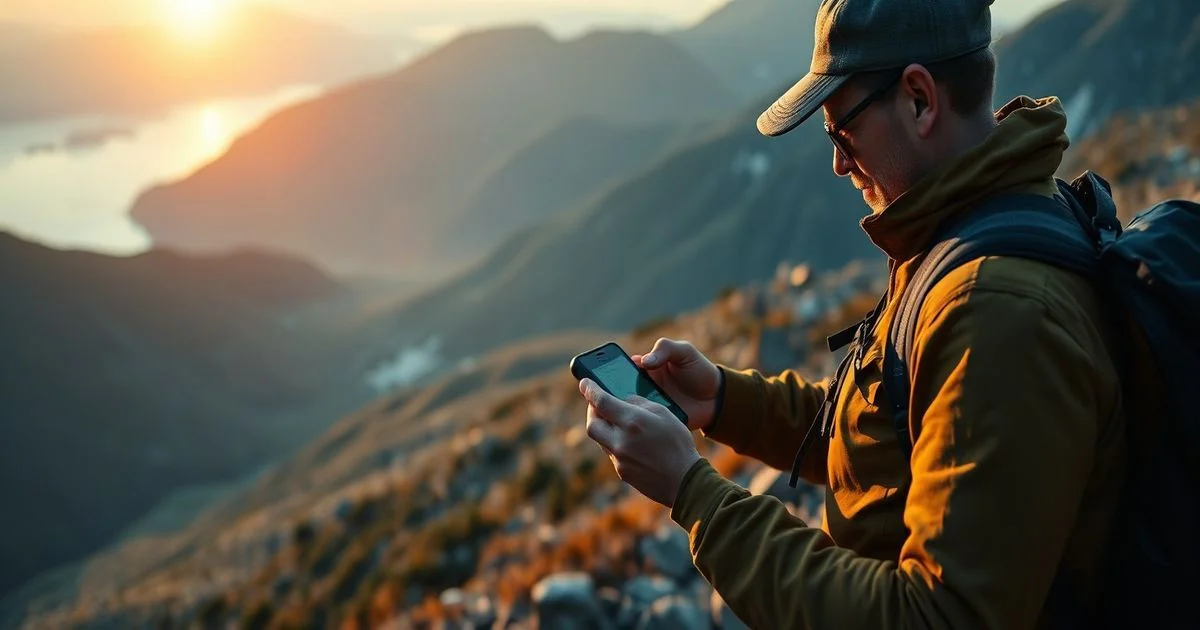
Embarking on a mountain hike offers unparalleled rewards: breathtaking vistas, invigorating physical challenge, and a profound connection with nature. However, for the uninitiated, these majestic landscapes can harbor unforeseen risks. Just as a software architect meticulously plans a system's resilience, an amateur hiker must approach the wilderness with a robust strategy for preparedness and safety. This guide delves deep into essential tips for amateur mountain hiking safety, equipping you with the knowledge to conquer mountain trails not just with enthusiasm, but with confidence and competence. We’ll explore everything from pre-trek preparation to on-trail navigation and emergency protocols, ensuring your adventure is both exhilarating and secure.
- Understanding Mountain Hiking Risks: The Terrain of the Unforeseen
- Pre-Hike Preparation: The Foundation of Safety
- Essential Tips for Amateur Mountain Hiking Safety: Navigating the Trail Safely
- Common Challenges & How to Address Them
- Technology's Role in Modern Hiking Safety
- Continuous Learning & Advancement: Evolving Your Safety Protocol
- Conclusion
- Frequently Asked Questions
- Further Reading & Resources
Understanding Mountain Hiking Risks: The Terrain of the Unforeseen
Before lacing up your boots, it's crucial to understand the unique challenges mountain environments present. Unlike a predictable city park, mountains are dynamic systems governed by unpredictable forces. A clear morning can swiftly transform into a violent storm, and a seemingly stable trail can hide loose scree or sudden drops. Recognizing these inherent risks is the first step toward mitigating them effectively.
Variable Weather Conditions
Mountain weather is notoriously fickle. Altitude plays a significant role, as temperatures generally drop by approximately 6.5°C for every 1,000 meters of ascent. This means even on a warm day at the base, summit conditions can be frigid, windy, and prone to sudden precipitation. Thunderstorms can develop rapidly, bringing lightning, heavy rain, and even hail. Fog and low visibility are also common, making navigation challenging and increasing the risk of getting lost. Hikers often underestimate the combined effect of cold, wet, and wind, which can lead to hypothermia even in seemingly mild conditions. Understanding complex natural systems, like ocean currents and their role in global climate patterns, can provide insight into the interconnectedness of weather phenomena.
Challenging Terrain and Navigation
Mountain trails are rarely flat or perfectly maintained. They can feature steep ascents and descents, rocky scrambles, slippery roots, and narrow ridges. In some regions, trails may be poorly marked, overgrown, or non-existent. Navigation errors are a leading cause of hiking emergencies. A simple wrong turn can lead to hours of backtracking, or worse, veering off-trail into dangerous, impassable terrain. The complexity of interpreting topographical maps and using a compass effectively often comes with experience, which many amateur hikers lack.
Altitude Sickness and Physical Exertion
As you ascend, the air pressure drops, meaning there's less oxygen available for each breath. For those unacclimatized to high altitudes, this can lead to conditions ranging from mild acute mountain sickness (AMS) – characterized by headache, nausea, and fatigue – to life-threatening high-altitude pulmonary edema (HAPE) or high-altitude cerebral edema (HACE). Beyond altitude, mountain hiking demands significant physical stamina. Overexertion can lead to fatigue, muscle cramps, dehydration, and increased susceptibility to injury, particularly on descents where knees and joints bear increased stress.
Wildlife Encounters and Natural Hazards
While the allure of wildlife is part of the mountain experience, encounters can pose risks. Bears, mountain lions, snakes, and even aggressive birds are part of various ecosystems. Understanding how to avoid attracting animals and what to do if an encounter occurs is vital. Beyond fauna, geological hazards like rockfalls, landslides, and avalanches (in snowy regions) are ever-present dangers in mountainous areas, requiring awareness and specific precautions.
Isolation and Communication Gaps
One of the appeals of mountain hiking is the escape from civilization, but this isolation comes with a significant drawback: limited access to emergency services. Cell phone reception is often non-existent in remote mountainous areas. In the event of an injury, getting help can be a prolonged and arduous process, sometimes taking hours or even days for rescue teams to reach the affected location. This lack of immediate communication underscores the importance of self-sufficiency and robust emergency planning.
Pre-Hike Preparation: The Foundation of Safety
Just as a robust software system requires meticulous planning and testing, a safe mountain hike begins long before you hit the trail. Comprehensive pre-hike preparation is the single most critical factor in mitigating risks and ensuring a successful and enjoyable adventure. Think of it as your system architecture design phase – every component must be carefully considered and integrated.
Physical Conditioning: Building a Resilient System
Mountain hiking is physically demanding. Even a seemingly easy trail can be challenging with elevation gain. Therefore, adequate physical preparation is non-negotiable. Aim for a consistent fitness regimen that includes:
- Cardiovascular Endurance: Engage in activities like running, cycling, or swimming for at least 30-60 minutes, 3-4 times a week. This builds your stamina for sustained ascents, much like training for a long race. For more detailed strategies on building endurance, consider our guide on how to improve cardiovascular endurance for marathon running.
- Strength Training: Focus on legs, core, and back. Lunges, squats, step-ups, and planks strengthen the muscles crucial for carrying a pack, maintaining balance, and enduring long climbs and descents. Incorporate exercises that mimic hiking movements.
- Flexibility and Balance: Yoga or stretching routines can improve flexibility, reduce muscle soreness, and enhance balance, which is essential on uneven terrain.
- Practice Hikes: Before tackling a challenging mountain, undertake several shorter, progressively harder hikes with your full pack. This acclimatizes your body and tests your gear in real-world conditions. It's like unit testing your system before deployment.
Ignoring physical conditioning is akin to deploying an under-resourced server: it will inevitably crash under load. Start your training weeks, or even months, in advance of your planned trek.
Route Planning & Research: Mapping Your Operational Environment
Thorough research and planning of your chosen route are paramount. This phase is your system analysis and design.
- Select an Appropriate Trail: Be realistic about your fitness level and experience. Start with shorter, well-marked trails with moderate elevation gain. Avoid highly technical routes or those known for extreme weather conditions as a beginner. Websites like AllTrails or national park services provide detailed trail information, reviews, and difficulty ratings.
- Study Topographical Maps and Guidebooks: Don't rely solely on digital maps. Purchase physical topographical maps of the area (e.g., from the US Geological Survey). Learn to read contour lines, identify water sources, potential campsites, escape routes, and challenging sections. Guidebooks offer invaluable local knowledge, including seasonal conditions, wildlife information, and historical context.
- Check Weather Forecasts Religiously: Consult multiple reliable weather sources (e.g., National Weather Service, Mountain-Forecast.com) for the specific mountain area, not just nearby towns. Pay attention to temperature fluctuations, wind chill, precipitation chances, and potential for thunderstorms. Remember mountain weather can change rapidly; what looks good the night before might not hold.
- Know Your Bailout Points: Identify potential shortcuts, alternative routes, or emergency exits along your planned path. These are your system's rollback points in case of unforeseen issues. What happens if someone gets injured? Where can you safely descend?
- Inform Someone of Your Itinerary: This is non-negotiable. Provide a trusted person with your detailed hiking plan, including:
- Trail name and location.
- Expected start and return times.
- Names and contact information of all group members.
- Vehicle make, model, and license plate.
- A 'check-in' time – if you haven't contacted them by this time, they should initiate emergency procedures. This acts as a critical failsafe, ensuring help is summoned if communication fails.
Gear & Equipment Essentials: The Hiking Toolkit
Just as a developer needs the right IDE and debugging tools, a hiker needs the correct gear. Overpacking is burdensome, but underpacking is dangerous. Prioritize functionality, reliability, and weight. The "Ten Essentials" is a widely recognized framework for essential hiking gear, designed to help you survive unexpected emergencies or forced overnight stays.
-
Navigation:
- Map: Physical, topographical map of the area. Laminated or waterproof is ideal.
- Compass: Learn how to use it with your map.
- GPS Device/App: A dedicated GPS unit or a smartphone with downloaded offline maps (e.g., AllTrails, Gaia GPS, Google Maps offline) and a fully charged power bank.
Analogy: Think of these as your version control system and deployment logs – ensuring you always know where you are and where you're going.
-
Sun Protection:
- Sunscreen: SPF 30+ is recommended, even on cloudy days, as UV radiation intensifies with altitude.
- Sunglasses: Protect your eyes from glare and UV rays.
- Hat: Wide-brimmed for maximum protection.
-
Insulation (Extra Clothing):
- Layers are key. Pack non-cotton layers (synthetic or wool) that can be added or removed.
- Rain gear: Waterproof and windproof jacket and pants, even if the forecast is clear. Mountain weather can change rapidly.
- Extra warm layers: A fleece or puffy jacket, gloves, and a warm hat, even in summer, especially for higher elevations or unexpected overnight stays.
-
Illumination:
- Headlamp/Flashlight: With fresh batteries and spares. Even if you plan to be back before dark, delays can occur.
Analogy: Your backup generator in case the primary power source (daylight) fails.
-
First-Aid Supplies:
- A well-stocked personal first-aid kit, including blister treatment, pain relievers, antiseptic wipes, gauze, bandages, adhesive tape, and any personal medications.
- Knowledge of basic first aid is crucial. Consider taking a wilderness first aid course.
-
Fire Starter:
- Waterproof matches, a lighter, or a ferro rod. Essential for warmth, signaling, and purifying water in an emergency.
-
Repair Kit & Tools:
- Duct tape, a multi-tool or knife, and cordage (like paracord). Useful for fixing gear, making minor repairs, or improvising shelter.
-
Nutrition (Extra Food):
- Pack more food than you think you'll need. Non-perishable, high-energy snacks like nuts, energy bars, and dried fruit are ideal.
Analogy: Your system's cache and redundant power supply – ready for unexpected load.
-
Hydration (Extra Water):
- Carry ample water. A good rule of thumb is 1 liter per 2-3 hours of hiking.
- Water filter/purifier: A backup system (e.g., Sawyer Squeeze, SteriPEN, purification tablets) for replenishing water from natural sources.
Analogy: Ensuring your system has enough memory and processing power to handle its tasks effectively.
-
Emergency Shelter:
- A lightweight emergency blanket, tarp, or bivy sack. Can provide crucial protection from hypothermia in an unplanned overnight situation.
Essential Tips for Amateur Mountain Hiking Safety: Navigating the Trail Safely
With meticulous planning and the right gear, you're ready to hit the trail. However, safety doesn't end at preparation; it's an ongoing process that requires constant awareness and smart decision-making throughout your hike. This is where your system goes live, and continuous monitoring and adaptation are key.
Weather Awareness: Real-time System Monitoring
Even with careful pre-hike checks, mountain weather can change dramatically.
- Observe Cloud Patterns: Darkening skies, rapidly forming clouds, or a sudden drop in temperature can signal approaching storms.
- Monitor Wind: Increasing wind speed often precedes a change in weather or can indicate dangerous conditions on exposed ridges.
- Listen to Your Body and Environment: If the air feels heavy or static, lightning may be imminent. If you see lightning or hear thunder, seek shelter immediately. Descend to lower ground if possible, avoid open ridges, tall trees, and water.
- Have a Turn-Around Time: Beyond a strict turnaround time based on daylight, establish weather-based turn-around criteria. If conditions deteriorate to a point where safety is compromised, turn back. "Summit fever" can lead to dangerous decisions.
Pacing and Hydration: Resource Management for Your Body
Effective resource management is crucial for both your body and your gear.
- Pace Yourself: Start slow and maintain a steady, comfortable pace. Avoid pushing too hard, especially on ascents. Listen to your body; fatigue can lead to poor judgment and increased risk of injury. Taking short, frequent breaks is more effective than long, infrequent ones.
- Stay Hydrated: Drink water frequently, even if you don't feel thirsty. Dehydration can lead to fatigue, headaches, and muscle cramps. Electrolyte supplements can be beneficial on longer, more strenuous hikes. Monitor your urine color; clear or pale yellow indicates good hydration.
- Fuel Your Body: Eat high-energy snacks regularly to maintain your energy levels. Don't wait until you're ravenous or feeling weak. Think of regular fuel intake as analogous to consistent garbage collection in a software system – preventing resource exhaustion.
Trail Etiquette & Awareness: Collaborative Safety
Hiking is often a shared experience, and practicing good trail etiquette enhances safety for everyone.
- Stay on Marked Trails: This protects fragile ecosystems and prevents you from getting lost or encountering unexpected hazards. Shortcutting switchbacks causes erosion and impacts vegetation.
- Yield to Uphill Hikers: Uphill hikers have the right of way as they are exerting more energy and stopping can break their rhythm.
- Announce Your Presence: If approaching other hikers from behind, especially on narrow trails, politely announce "On your left" or "Pardon me" to avoid startling them. This is especially important if you are a faster hiker or trail runner.
- Hike with a Buddy: Whenever possible, hike with at least one partner. There's safety in numbers, and a partner can provide aid or go for help in an emergency. If hiking solo, take extra precautions and ensure your detailed itinerary is known to others.
- Leave No Trace Principles: Pack out everything you pack in. Do not disturb wildlife or natural features. Proper waste disposal prevents environmental damage and ensures a pleasant experience for future hikers. This ethical component is like ensuring your software doesn't leave behind unnecessary temporary files or pollute system resources.
Emergency Preparedness & Communication: Your Incident Response Plan
Even with the best planning, emergencies can happen. Having a clear incident response plan is vital.
- Know Basic First Aid: Be prepared to treat blisters, sprains, cuts, and other common hiking injuries. Carry a well-stocked first-aid kit and know how to use its contents.
- Signal for Help: If you get lost or injured and cannot move, stay put. Use a whistle to signal for help (three short blasts, repeated regularly, is the international distress signal). Use mirrors or bright clothing to attract attention from search parties.
- Emergency Communication Devices:
- Satellite Communicator (e.g., Garmin inReach, Zoleo): For remote areas without cell service, these devices allow two-way text messaging and can send an SOS signal to emergency services worldwide. They are a significant investment but can be life-saving. Think of them as your mission-critical, redundant communication channel.
- Personal Locator Beacon (PLB): These devices send a one-way distress signal to rescue authorities, providing your location. They do not allow two-way communication but are highly effective for emergency notification.
- Stay Calm: In an emergency, panicking can worsen the situation. Take a few deep breaths, assess the situation, and make rational decisions based on your training and resources.
- Shelter in Place: If you are lost or injured and darkness is approaching, prioritize finding or building a shelter for the night. Conserve energy and resources. Your objective is survival until rescue, not self-rescue at all costs.
Common Challenges & How to Address Them
Mountains present specific hurdles that even prepared hikers can face. Understanding these common challenges and having a strategy to address them can significantly improve safety.
Altitude Sickness
Mild AMS usually manifests as a headache, nausea, dizziness, and fatigue within 6-12 hours of ascending to altitudes above 2,500 meters (8,000 feet).
- Prevention:
- Acclimatize Slowly: Ascend gradually, especially if coming from sea level. For every 1,000 meters (3,300 feet) above 2,500 meters, ideally spend a night at that altitude before going higher.
- "Climb High, Sleep Low": If possible, hike to a higher elevation during the day and return to a lower elevation to sleep.
- Stay Hydrated: Drink plenty of water and avoid alcohol or excessive caffeine.
- Pace Yourself: Avoid strenuous activity for the first 24-48 hours at altitude.
- Treatment:
- For mild AMS, rest, hydrate, and take pain relievers for headaches.
- If symptoms worsen or persist, descend immediately. This is the most effective treatment. Do not attempt to "tough it out" as AMS can progress to more severe, life-threatening forms like HAPE or HACE. These require immediate medical attention and rapid descent.
Navigation Errors
Getting lost can be disorienting and dangerous.
- Prevention:
- Frequent Map Checks: Periodically check your map and compass/GPS against your surroundings. Don't wait until you're lost to pull out your navigation tools.
- Landmark Identification: Identify prominent landmarks (peaks, valleys, rivers) on your map and locate them in your environment.
- Backtracking: If you suspect you've made a wrong turn, retrace your steps to the last known point. Don't continue wandering, which only worsens the situation.
- "Handrail" Features: Use linear features like streams, ridges, or distinct trails as navigational aids to keep you oriented.
- What to Do if Lost:
- S.T.O.P. (Stop, Think, Observe, Plan): This mental acronym is crucial.
- Stop: Don't panic. Remain calm.
- Think: Review your last known position, what you were doing, and when you last checked your map.
- Observe: Look for landmarks, listen for sounds (roads, rivers), and check your surroundings for clues.
- Plan: Based on your observations, devise a plan to get back on track or to a safe location. If truly lost and disoriented, stay put and await rescue, especially if your itinerary is known.
- S.T.O.P. (Stop, Think, Observe, Plan): This mental acronym is crucial.
Wildlife Encounters
While most wild animals avoid humans, encounters can occur.
- Prevention:
- Make Noise: Talk, sing, or carry a bell, especially in dense brush, to avoid surprising animals.
- Store Food Properly: Use bear-resistant canisters or hang food in a "bear bag" away from your tent to prevent attracting animals. Never leave food unattended.
- Hike in Groups: Groups are generally noisier and perceived as a larger threat, often deterring animals.
- During an Encounter:
- Stay Calm: Do not run, as this can trigger a chase instinct.
- Make Yourself Look Large: Raise your arms, speak in a loud, firm voice.
- Back Away Slowly: Give the animal space.
- Know Species-Specific Responses: For bears, for example, a defensive bear (cub nearby) might require playing dead, while a predatory bear requires fighting back. Research specific animal behavior for your hiking region.
Injuries and First Aid
Small injuries can become serious problems in the backcountry.
- Prevention:
- Appropriate Footwear: Wear broken-in hiking boots or shoes that offer ankle support and good traction.
- Trekking Poles: These reduce impact on knees, aid balance, and provide stability on uneven terrain, particularly on descents. Studies show they can reduce stress on knees by up to 25%.
- Watch Your Step: Pay constant attention to the trail, avoiding distractions.
- Treatment:
- Blisters: Address hot spots immediately with moleskin or specialized blister bandages.
- Sprains/Fractures: Immobilize the injured limb. Use the R.I.C.E. method (Rest, Ice, Compression, Elevation) if possible. If unable to walk, use your communication device to call for help.
- Cuts/Abrasions: Clean thoroughly with antiseptic wipes and cover with a sterile bandage to prevent infection.
- Bleeding: Apply direct pressure to stop bleeding.
Technology's Role in Modern Hiking Safety
While a traditional map and compass remain indispensable, modern technology has revolutionized backcountry safety. For the tech-savvy hiker, integrating these tools responsibly can add critical layers of protection, acting as sophisticated monitoring and communication systems for your journey.
GPS Devices & Apps: Digital Navigational Powerhouses
Dedicated handheld GPS units or smartphone apps with GPS capabilities offer unparalleled accuracy in determining your location.
- Functionality: They display your precise coordinates, current elevation, speed, and track your progress on pre-loaded or downloaded topographical maps. Many allow you to pre-load routes, mark waypoints, and record your actual path, which can be invaluable for backtracking.
- Advantages:
- Precision: More accurate than a compass for determining exact location.
- Real-time Tracking: See your position on a map instantly.
- Ease of Use: User interfaces are often intuitive.
- Considerations:
- Battery Life: This is the primary limitation. Always carry a fully charged power bank, especially for smartphones. Cold weather dramatically reduces battery efficiency.
- Signal Dependence: While GPS primarily uses satellite signals (no cell service needed), some map features or app updates might require internet access prior to the hike. Download all maps offline.
- Fragility: Smartphones are not designed for rugged outdoor use. Dedicated GPS units are often more durable and water-resistant.
- Recommended Apps: Gaia GPS, AllTrails Pro, PeakFinder. Ensure maps are downloaded for offline use.
Satellite Communicators: Bridging the Communication Gap
For true wilderness adventures where cell service is non-existent, satellite communicators are game-changers. These are not merely for emergencies but also for routine check-ins, allowing you to stay connected with your support system.
- Functionality: These devices connect to global satellite networks (e.g., Iridium, Globalstar) to send and receive text messages, share your location, and, critically, send an SOS signal to a 24/7 emergency response center.
- Advantages:
- Global Coverage: Work virtually anywhere, even without cell service.
- Two-way Communication: Allows you to describe your emergency and receive instructions, unlike a PLB.
- Track Sharing: Your loved ones can monitor your progress in real-time online.
- Considerations:
- Subscription Required: Satellite communication involves monthly or annual service plans.
- Cost: The devices themselves can be expensive.
- Battery Life: While better than smartphones, they still require charging.
- Line of Sight: Can sometimes struggle for a signal in deep canyons or under dense tree cover.
- Examples: Garmin inReach series, Zoleo Satellite Communicator, Spot X.
Wearable Tech for Health Monitoring: Your On-Body Diagnostics
Smartwatches and fitness trackers can offer valuable health data, acting as a personal biometric feedback system.
- Functionality: Many wearables monitor heart rate, track steps, measure elevation gain, and some even offer blood oxygen saturation (SpO2) readings. Some advanced models include fall detection and basic GPS.
- Advantages:
- Real-time Health Data: Provides immediate feedback on your exertion levels, allowing you to adjust your pace to avoid overexertion.
- SpO2 Monitoring: Useful for monitoring acclimatization at altitude, though medical-grade devices are more accurate.
- Convenience: Integrates seamlessly into your routine.
- Considerations:
- Battery Life: Similar to smartphones, continuous GPS tracking and heart rate monitoring can quickly drain battery.
- Accuracy: Consumer-grade wearables are not medical devices; their readings should be interpreted with caution, especially for critical health decisions.
- Durability: Ensure the device is rugged enough for outdoor use.
- Examples: Garmin Fenix series, Apple Watch Ultra, Suunto watches.
While technology greatly enhances safety, it should always complement, never replace, fundamental outdoor skills like map reading, compass use, and basic wilderness first aid. Relying solely on electronics without backup knowledge is like deploying software without understanding its underlying architecture – a recipe for disaster when the power fails or the signal drops.
Continuous Learning & Advancement: Evolving Your Safety Protocol
Mountain hiking safety isn't a static checklist; it's a dynamic process of continuous learning and adaptation. Just as technology evolves, so too should your personal safety protocols and skill set. Embrace a mindset of perpetual improvement, recognizing that every hike offers new lessons and every skill refined contributes to a safer, more enriching experience.
Formal Training and Certifications
Beyond practical experience, formal training provides structured knowledge and proven techniques.
- Wilderness First Aid (WFA) / Wilderness Advanced First Aid (WAFA): These courses teach you how to handle medical emergencies in remote settings when professional help is hours away. They cover everything from basic injury treatment to managing hypothermia, allergic reactions, and even splinting fractures with improvised materials. This is like gaining certifications in a specific programming language or framework – a verifiable skill.
- Navigation Courses: Many outdoor organizations offer courses specifically on map and compass navigation, GPS usage, and route planning. These teach you to read topographical maps, take bearings, triangulate your position, and apply these skills in varied terrain.
- Avalanche Safety Courses (AIARE 1): If you plan to hike in snowy, mountainous terrain during winter or spring, an avalanche safety course is absolutely critical. It teaches you to identify avalanche terrain, assess snow stability, and conduct companion rescues.
- Rope Skills / Technical Mountaineering: For those aspiring to more technical scrambles or climbs, basic rope skills, knot tying, and anchor building become essential.
Staying Updated with Best Practices
The outdoor industry continuously researches and refines best practices.
- Follow Reputable Outdoor Organizations: Organizations like the National Outdoor Leadership School (NOLS), Leave No Trace Center for Outdoor Ethics, and local hiking clubs regularly publish articles, guides, and updates on safety, gear, and environmental stewardship.
- Read Trip Reports and Local Forums: Gain insights from other hikers who have recently been on your intended trail. They can provide valuable, up-to-date information on trail conditions, water sources, and potential hazards.
- Review Gear Innovations: Keep an eye on advancements in lightweight, durable, and functional outdoor gear. New fabrics, navigation devices, and emergency tools are constantly emerging. Similarly, maintaining a structured approach, akin to building a productive morning routine, ensures consistent safety preparedness.
Learning from Experience
Every hike, successful or challenging, is an opportunity to learn.
- Debrief After Each Hike: What went well? What could have been better? Did your gear perform as expected? Were your navigation skills adequate? Did you misjudge the weather or the difficulty of the trail?
- Document Your Experiences: Keeping a hiking journal can help you track conditions, gear performance, and personal insights, building a valuable personal knowledge base over time.
- Mentor or Be Mentored: Learning from experienced hikers (mentorship) or sharing your knowledge with newer hikers (mentoring) solidifies your own understanding and fosters a culture of safety.
This commitment to continuous improvement transforms an amateur hiker into a seasoned and responsible outdoor enthusiast. Just as a software engineer continuously refactors code and learns new libraries, the prudent hiker continually refines their skills and knowledge, ensuring their safety protocols are always at the leading edge.
Conclusion
Embracing the majesty of mountains is a truly rewarding endeavor, but it demands respect and thorough preparation. The wilderness is an unforgiving environment, and underestimating its power can have severe consequences. By diligently applying these essential tips for amateur mountain hiking safety – from rigorous physical conditioning and meticulous route planning to carrying the right gear and making smart decisions on the trail – you equip yourself with the tools and knowledge necessary to navigate challenges with confidence.
Remember, safety is not merely about avoiding danger; it's about empowering yourself to enjoy the backcountry responsibly, knowing you have the skills and resources to handle whatever nature throws your way. So, plan thoughtfully, pack wisely, hike mindfully, and always prioritize your well-being. The mountains await, and with proper preparation, your adventures will be both epic and safe.
Frequently Asked Questions
Q: What are the most common dangers in mountain hiking?
A: The most common dangers include rapid weather changes, navigation errors, altitude sickness, falls, and hypothermia. These risks are exacerbated by isolation and limited communication in remote areas.
Q: What "Ten Essentials" should every hiker carry?
A: The "Ten Essentials" are navigation, sun protection, insulation, illumination, first-aid, fire starter, repair kit, extra food, extra water, and emergency shelter. These items help prepare for unexpected emergencies.
Q: How can I prevent altitude sickness?
A: Prevent altitude sickness by ascending gradually, staying well-hydrated, and avoiding overexertion. If symptoms develop, descend immediately; this is the most effective treatment.