Essential Daily Stretching Routines for Office Workers: Optimize Your Health
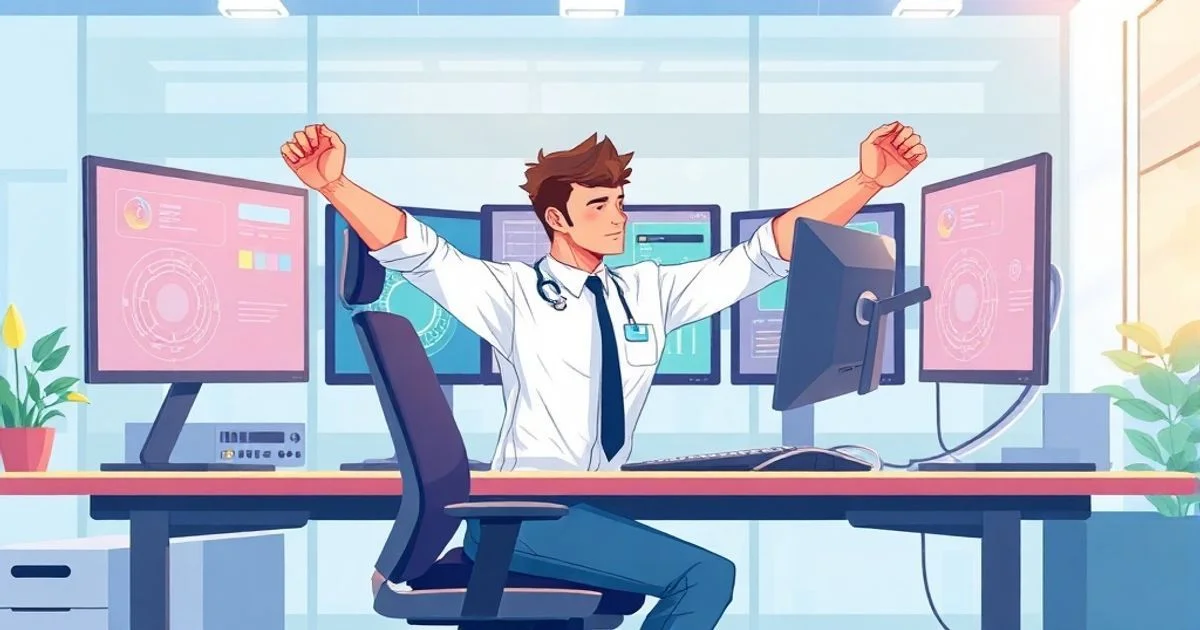
In the rapidly evolving landscape of the digital age, tech professionals often find themselves tethered to their desks, immersed in lines of code, complex data analysis, or intricate design work. This sedentary lifestyle, a byproduct of our highly digitized work environments, comes with a hidden cost: an increased risk of musculoskeletal disorders (MSDs), chronic pain, and diminished overall well-being. To mitigate these pervasive issues and truly optimize your long-term health and productivity, implementing essential daily stretching routines for office workers is not just beneficial—it's imperative. This comprehensive guide will equip you with the knowledge and actionable strategies to weave dynamic and static stretches seamlessly into your workday, transforming your relationship with your workspace.
- The Silent Threat: Sedentary Lifestyles and Their Impact
- Deconstructing the "Why": The Science Behind Stretching
- Crafting Your Essential Daily Stretching Routines for Office Workers
- Integrating Tech: Tools and Apps to Optimize Your Stretching Regimen
- Beyond the Stretch: Holistic Ergonomics for the Tech Professional
- Navigating the Trade-Offs: Time vs. Benefit
- The Future of Workplace Wellness: AI, Wearables, and Predictive Health
- Conclusion: Empowering Your Digital Existence
- Frequently Asked Questions
- Further Reading & Resources
The Silent Threat: Sedentary Lifestyles and Their Impact
The human body, a marvel of biological engineering, is fundamentally designed for movement. Yet, the modern office paradigm often demands prolonged periods of static posture, turning our most advanced workstations into inadvertent contributors to health decline. This stark contrast between our biological design and occupational demands creates a breeding ground for various physical ailments.
Research consistently highlights the alarming health implications associated with extended sitting. A 2017 study published in the Annals of Internal Medicine linked prolonged sitting to an increased risk of all-cause mortality, even for individuals who exercise regularly. The dangers extend beyond mere discomfort, encompassing a spectrum of serious conditions:
-
Musculoskeletal Disorders (MSDs): These are perhaps the most immediate and widespread consequences. Persistent static postures lead to muscle imbalances, stiffness, and pain in the neck, shoulders, back, and wrists. Conditions like 'tech neck' (cervical kyphosis), carpal tunnel syndrome, and chronic lower back pain are increasingly common among office workers.
-
Cardiovascular Disease: Sedentary behavior has been independently associated with a higher risk of heart disease. Lack of movement can reduce lipoprotein lipase activity, an enzyme crucial for fat metabolism, leading to higher levels of unhealthy cholesterol and triglycerides.
-
Metabolic Syndrome: Prolonged sitting contributes to impaired insulin sensitivity, increasing the risk of type 2 diabetes and metabolic syndrome, a cluster of conditions including increased blood pressure, high blood sugar, excess body fat around the waist, and abnormal cholesterol or triglyceride levels.
-
Mental Health Implications: Beyond the physical, sedentary habits can negatively impact mental well-being. Reduced physical activity often correlates with higher rates of anxiety and depression, partly due to diminished blood flow to the brain and altered neurotransmitter activity. To dive deeper into holistic approaches to physical well-being, explore Strategies for Maintaining Long-Term Physical Mobility.
Consider your body a high-performance system, much like the advanced computing hardware you might work with daily. Just as a server rack requires proper cooling, regular maintenance, and occasional reboots to prevent overheating and ensure optimal function, your body needs regular movement and targeted interventions—like stretching—to prevent systemic breakdown. Ignoring the early warning signs of stiffness or discomfort is akin to dismissing critical error logs; small issues left unaddressed can cascade into major system failures, impacting not just comfort but also cognitive function and overall productivity.
Deconstructing the "Why": The Science Behind Stretching
Understanding the physiological and neurological underpinnings of stretching elevates it beyond a mere physical exercise to a strategic intervention for enhancing bodily resilience and performance. For the tech-savvy individual, appreciating the mechanics behind the benefits can often be the catalyst for consistent adherence.
The Physiology of Flexibility and Blood Flow
At its core, stretching targets two primary components of our musculoskeletal system: muscles and connective tissues (tendons, ligaments, and fascia).
-
Muscle Elasticity: Muscles are composed of thousands of elastic fibers. When these fibers are not regularly stretched through their full range of motion, they can shorten and lose elasticity. This reduction in elasticity restricts joint movement and increases the risk of strain and injury. Regular stretching helps to lengthen these fibers, improving their extensibility and allowing joints to move more freely. This is crucial for preventing the hunched postures common among desk workers, which often lead to shortened chest muscles and overstretched, weakened back muscles.
-
Blood Flow and Nutrient Delivery: When muscles are held in static positions for extended periods, blood flow can become restricted. Stretching, particularly dynamic stretching and active movements, acts like a pump, promoting increased circulation to the muscles and surrounding tissues. Enhanced blood flow means more oxygen and nutrients are delivered to the cells, facilitating waste removal (like lactic acid buildup) and reducing inflammation. This improved microcirculation can be particularly beneficial for alleviating conditions such as tingling or numbness associated with nerve compression in the wrists and shoulders.
-
Fascial Health: Fascia is a web-like connective tissue that encases muscles, organs, and bones. Prolonged static postures can cause fascia to become stiff and adhere to underlying structures, leading to pain and restricted movement. Stretching helps to release fascial adhesions, restoring its pliability and improving overall tissue gliding.
The Neurological Connection: Proprioception and Pain Perception
Beyond the visible physical changes, stretching profoundly influences our nervous system.
-
Proprioception Enhancement: Proprioception is our body's sense of self-movement, force, and body position. It's the reason we can touch our nose with our eyes closed. Stretching stimulates specialized sensory receptors in our muscles and tendons called proprioceptors. By regularly challenging these receptors through various ranges of motion, stretching helps to refine our body awareness and control. This improved proprioception is vital for maintaining good posture, as it allows for better feedback mechanisms to correct slumped positions proactively.
-
Pain Modulation: Chronic pain, often a companion to sedentary work, can be exacerbated by muscle tension and poor circulation. Stretching can help interrupt the pain-spasm-pain cycle. By reducing muscle tension and improving blood flow, it can alleviate mechanical compression on nerves and reduce inflammatory responses that contribute to pain. Furthermore, the act of stretching, especially when performed mindfully, can activate the parasympathetic nervous system, promoting relaxation and reducing the body's overall stress response, which in turn can lower pain sensitivity.
-
Mind-Body Connection: For many tech professionals, the day is dominated by intense cognitive demands. Stretching offers a valuable opportunity to shift focus from the screen to the physical body. This deliberate attention to bodily sensations can act as a form of mindfulness, helping to break cycles of mental fatigue and cognitive overload, thereby fostering a stronger mind-body connection.
A 2019 meta-analysis published in the Journal of Physical Activity & Health concluded that regular stretching interventions significantly improved musculoskeletal pain and discomfort in office workers. This robust evidence underscores that integrating stretching is not a luxury but a scientifically validated strategy to enhance physical resilience and cognitive acuity in the demanding digital workplace.
Crafting Your Essential Daily Stretching Routines for Office Workers
The most effective stretching routine isn't about grand gestures but consistent, targeted micro-interventions throughout your day. Think of it as patching small vulnerabilities in your system before they become critical exploits. Customization is key; listen to your body and adapt these suggestions to your specific needs and constraints. The goal is consistency over intensity.
When designing your routine, consider different types of stretching:
-
Static Stretching: Holding a stretch for 20-30 seconds, typically at the end of your range of motion. Best for increasing flexibility and done when muscles are warm.
-
Dynamic Stretching: Controlled, flowing movements that take your joints through their full range of motion. Ideal for warming up muscles and improving functional mobility.
-
Proprioceptive Neuromuscular Facilitation (PNF): More advanced, often involving a contraction followed by a stretch. Generally performed with a partner or against an immovable object. For daily office use, static and dynamic stretches are more practical.
The following sections outline simple, yet highly effective, Essential Daily Stretching Routines for Office Workers segmented by time of day to facilitate seamless integration into your busy schedule.
The "Morning Reboot" (5-7 minutes)
Begin your workday by gently waking up your body. This short sequence is designed to improve circulation, activate major muscle groups, and set a positive physical tone for the day. Perform these seated at your desk or standing if space allows.
- Neck Rolls/Tilts (Dynamic then Static):
- Action: Gently tilt your head to the right, bringing your right ear towards your right shoulder. Hold for 20 seconds. Repeat on the left side. Then, gently roll your neck in a half-circle from shoulder to shoulder (ear towards shoulder, chin towards chest, ear towards other shoulder), avoiding full backward rolls initially.
- Benefit: Releases tension in the cervical spine, common from pillow position or early morning screen use. Improves range of motion and blood flow to the head.
- Shoulder Shrugs and Rolls (Dynamic):
- Action: Inhale and lift your shoulders towards your ears. Exhale and slowly roll them back and down, squeezing your shoulder blades together. Repeat 5-10 times. Then, reverse the roll (forward and up).
- Benefit: Activates and mobilizes the upper trapezius and rhomboid muscles, combating slouching and improving posture.
- Chest Opener (Static):
- Action: Stand or sit tall. Clasp your hands behind your back, palms together if possible. Gently lift your clasped hands away from your body, feeling a stretch across your chest and shoulders. Keep your spine straight. If unable to clasp hands, interlace fingers behind head and gently open elbows wide. Hold for 20-30 seconds.
- Benefit: Counteracts the forward-rounded posture caused by prolonged typing, opening up the chest and stretching tight pectoral muscles.
- Seated Spinal Twist (Static):
- Action: Sit tall. Place your right hand on your left knee and your left hand behind you on the chair or seat. Gently twist your torso to the left, looking over your left shoulder. Hold for 20-30 seconds. Repeat on the other side.
- Benefit: Mobilizes the thoracic spine, improving flexibility and relieving tension in the mid-back, which often becomes stiff from static sitting.
The "Mid-Day Module Refresh" (3-5 minutes per session)
These are micro-breaks designed to be integrated every 60-90 minutes. They target specific areas prone to stiffness during work.
- Wrist and Forearm Stretches (Static):
- Action: Extend one arm straight out, palm facing up. With your other hand, gently pull your fingers down towards your body. Hold for 20 seconds. Then, extend the same arm with the palm facing down, and gently push your fingers towards your body. Hold for 20 seconds. Repeat on the other arm.
- Benefit: Crucial for preventing and alleviating symptoms of carpal tunnel syndrome and repetitive strain injury, common among typists and mouse users. Stretches the flexor and extensor muscles of the forearm.
- Triceps Stretch (Static):
- Action: Raise one arm overhead, bend your elbow so your hand touches your upper back. With your other hand, gently press down on the bent elbow, deepening the stretch in your triceps and lats. Hold for 20-30 seconds. Repeat on the other side.
- Benefit: Relieves tension in the back of the arms and upper back, often tightened from holding arms forward at a keyboard.
- Seated Hip Flexor Stretch (Static):
- Action: Scoot to the edge of your chair. Extend one leg straight back behind you, allowing your knee to bend towards the floor if standing, or let the leg hang if sitting, with only the toes on the ground. Press your hips slightly forward to feel a stretch in the front of your hip. Hold for 20-30 seconds. Repeat on the other side.
- Benefit: Counteracts the shortening of hip flexors caused by prolonged sitting, which can contribute to lower back pain and poor posture.
- Calf Raises (Dynamic/Static):
- Action: While standing, slowly lift onto the balls of your feet, holding for a second, then slowly lower. Repeat 10-15 times. For a static stretch, stand a few feet from a wall, place hands on the wall, step one leg back, keeping heel on the floor and knee straight, lean into the stretch.
- Benefit: Improves circulation in the lower legs, reducing swelling and the risk of deep vein thrombosis (DVT) associated with prolonged sitting. Strengthens calf muscles.
- Standing Hamstring Stretch (Static):
- Action: Stand with feet hip-width apart. Place one heel on a slightly elevated surface (like a sturdy box or chair seat), keeping the leg straight but not locked. Hinge forward from your hips, keeping your back straight, until you feel a gentle stretch in the back of your thigh. Hold for 20-30 seconds. Repeat on the other side.
- Benefit: Lengthens hamstrings, which often become tight from sitting, contributing to lower back pain and pelvic misalignment.
The "Evening System Shutdown" (5-10 minutes)
Wind down your day with a more comprehensive, relaxing sequence to release accumulated tension and prepare your body for rest. This can be done at your desk, or preferably, in a more open space.
- Child's Pose (Static):
- Action: Kneel on the floor, big toes touching, knees wide apart (or together). Sink your hips back towards your heels. Extend your arms forward, resting your forehead on the floor. Breathe deeply into your back. Hold for 1-2 minutes. If unable to kneel, a gentle seated forward fold will suffice.
- Benefit: Gentle stretch for the hips, thighs, and ankles. Relieves back and neck pain. Promotes relaxation and stress relief.
- Figure-Four Stretch / Seated Glute Stretch (Static):
- Action: Sit tall in your chair. Cross your right ankle over your left knee. Gently press down on your right knee with your hand, or lean slightly forward from your hips to deepen the stretch in your right glute. Hold for 30-45 seconds. Repeat on the other side.
- Benefit: Targets the piriformis and gluteal muscles, often tight from sitting, which can contribute to sciatica and lower back pain.
- Spinal Extension / Cat-Cow (Dynamic):
- Action: Start on all fours (or seated, hands on knees). Inhale, arch your back, drop your belly, and look up (Cow). Exhale, round your spine, tuck your chin to your chest (Cat). Flow between these two positions 5-10 times.
- Benefit: Mobilizes the entire spine, improving flexibility and alleviating stiffness in both the upper and lower back.
- Deep Breathing and Body Scan:
- Action: Sit or lie comfortably. Close your eyes. Take 5-10 deep breaths, inhaling deeply through your nose and exhaling slowly through your mouth. As you breathe, mentally scan your body from head to toe, noticing any areas of residual tension. With each exhale, consciously try to release that tension.
- Benefit: Promotes deep relaxation, activates the parasympathetic nervous system, and enhances body awareness, crucial for identifying and releasing chronic tension patterns.
Integrating Tech: Tools and Apps to Optimize Your Stretching Regimen
For the tech-savvy individual, leveraging technology to support health initiatives is a natural extension of their digital expertise. Just as you use project management tools or code linters to optimize your workflow, a suite of applications and smart devices can transform passive awareness into active participation in your stretching routines.
The landscape of wellness technology offers robust solutions for integrating movement into your desk-bound life:
-
Posture Monitoring Apps & Devices: Many apps leverage your webcam or external sensors to provide real-time feedback on your posture. Tools like "PosturePal" (hypothetical name for illustration) or built-in features in some ergonomic keyboards can alert you when you start to slouch, acting as an intelligent, persistent reminder. Wearable devices with accelerometers can track your movement patterns and send discreet vibrations when you've been stationary for too long, prompting a quick stretch break.
-
Guided Stretching Apps: Applications such as "Stretchly," "Workrave," or dedicated stretching apps like "Flexibility & Stretching" (available on various app stores) offer pre-programmed micro-break routines, guided animations, and customizable timers. They can integrate with your operating system, pausing your screen or displaying a stretching animation every 30-60 minutes, ensuring you never miss a break. Some even feature personalized recommendations based on your reported pain points or typical work setup.
-
Smartwatch Integrations: Most modern smartwatches (Apple Watch, Garmin, Fitbit, etc.) include "time to move" alerts. These are excellent, non-intrusive nudges. Many also offer guided breathing exercises or quick stretches that can be performed directly from your wrist, making them incredibly convenient.
-
Ergonomic Software Suites: Beyond simple timers, some comprehensive ergonomic software solutions can analyze your computer usage patterns, suggest optimal break frequencies, and even recommend specific stretches tailored to the muscle groups most stressed by your activities (e.g., more wrist stretches for heavy typists, neck stretches for multi-monitor users).
Gamification of Wellness:
The psychological principle of gamification, widely applied in tech, can be powerfully leveraged for stretching. Apps that award points, badges, or progress streaks for completing routines can provide that extra layer of motivation, turning a chore into a rewarding mini-quest. Imagine completing "Level 1: Morning Reboot Master" or earning a "Flexibility Streak" badge. This approach taps into the same reward mechanisms that drive engagement with games and productivity tools.
FutureTech in Wellness:
Looking ahead, the integration of AI-driven posture analysis through sophisticated vision systems (like those in advanced webcams or smart mirrors) could provide hyper-personalized feedback and dynamically adapt stretching recommendations. Imagine an AI detecting persistent shoulder elevation and suggesting a specific trapezius stretch, or analyzing your typing ergonomics to preemptively recommend forearm stretches. This kind of advanced AI development, seen in companies achieving OpenAI Hits $1 Trillion Valuation After Massive Funding, signifies a paradigm shift from generic advice to predictive, personalized wellness interventions, turning your workstation into a proactive health coach.
Example AI-driven Feedback Loop:
1. Posture Sensor Data (Webcam/Wearable) -> AI Model
2. AI Model Detects Slouching/Static Posture (e.g., 45 mins without movement)
3. Trigger: "Time for a Neck & Shoulder Release!"
4. Display: 3D animated stretch guide on secondary monitor or app
5. User Performs Stretch -> Sensor Confirms Movement
6. Log: "Stretch Completed. Great Job!"
By embracing these technological aids, you can transform your approach to workplace wellness from a reactive response to discomfort into a proactive, data-driven strategy for sustained physical and cognitive performance.
Beyond the Stretch: Holistic Ergonomics for the Tech Professional
While stretching is a vital component of a healthy work routine, it's part of a larger ecosystem of ergonomic principles that collectively contribute to optimal physical well-being. For the tech professional, an integrated approach that considers the entire workstation setup is crucial, akin to optimizing a server rack for peak performance and longevity. Just as you wouldn't rely solely on software updates to fix hardware issues, stretching alone cannot fully counteract the detrimental effects of a poorly configured ergonomic environment.
The Optimized Workstation: A High-Performance Human Interface
Think of your workstation as your primary interface with your digital world. Its configuration significantly impacts your body's efficiency and resilience.
- Monitor Placement:
- Rule: The top of your monitor should be at or slightly below eye level. The screen should be an arm's length away.
- Why: Prevents 'tech neck' by minimizing downward head tilt. Reduces eye strain. For multi-monitor setups, ensure primary monitor is directly in front, and secondary monitors are angled for minimal neck rotation.
- Keyboard and Mouse Positioning:
- Rule: Keep your keyboard and mouse close to your body. Your elbows should be at roughly a 90-100-degree angle, with wrists straight and neutral (not bent up, down, or to the sides).
- Why: Reduces strain on wrists, forearms, and shoulders. Prevents conditions like carpal tunnel syndrome and tennis elbow. Consider an ergonomic keyboard and mouse that fit your hand size and typing style.
- Chair Choice and Posture:
- Rule: Invest in an ergonomic chair that provides good lumbar support. Adjust the chair height so your feet are flat on the floor or on a footrest, with knees at a 90-degree angle. Your back should be supported by the chair's backrest, maintaining the natural curve of your spine.
- Why: A well-adjusted chair supports the natural curvature of your spine, distributes weight evenly, and reduces pressure on the lower back. Avoid perching at the edge of your chair; utilize the full backrest.
- Lighting:
- Rule: Ensure adequate, glare-free lighting. Position your monitor to avoid reflections from windows or overhead lights.
- Why: Reduces eye strain and headaches, improving focus and comfort. Consider a desk lamp with adjustable brightness and color temperature.
- Hydration and Nutrition:
- Rule: Keep a water bottle readily accessible and sip throughout the day. Opt for healthy snacks.
- Why: Dehydration can contribute to fatigue and muscle cramps. Proper nutrition fuels brain function and sustains energy levels, indirectly supporting physical resilience.
- Regular Movement and Micro-Breaks:
- Rule: Even with the best ergonomic setup, prolonged static posture is detrimental. Integrate standing desks, walking breaks, or simply standing up and stretching every 30-60 minutes.
- Why: Breaks up static posture, improves circulation, and re-engages different muscle groups. This works synergistically with your stretching routines. This approach aligns with broader trends in workplace flexibility, such as Indonesia Adopts Friday WFH for Energy Efficiency.
Analogy:
Imagine a complex software system. While individual code segments (stretches) are vital for specific functions, the overall architecture (ergonomic setup), power management (hydration/nutrition), and regular system checks (movement breaks) are equally critical for the entire system's stability, performance, and longevity. A fragmented approach, focusing only on one aspect, leaves the system vulnerable. A holistic approach ensures robustness.
By meticulously optimizing your workstation and adopting a proactive approach to movement and self-care, you are not just preventing pain; you are enhancing your cognitive endurance, sustaining your physical capacity, and ultimately, extending your productive career within the tech sphere.
Navigating the Trade-Offs: Time vs. Benefit
For the high-performing tech professional, time is a finite and often fiercely guarded resource. The prospect of dedicating additional minutes to activities like stretching can feel like a trade-off, a diversion from critical tasks, or even an admission of inefficiency. However, framing stretching as a time sink rather than a strategic investment fundamentally misunderstands its long-term benefits and the insidious costs of inaction.
The Compelling "Pros" of Consistent Stretching:
-
Reduced Pain and Discomfort: This is perhaps the most immediate and tangible benefit. Alleviating neck stiffness, backaches, and wrist pain directly translates to a more comfortable and less distracted workday.
-
Increased Productivity and Focus: When your body isn't sending constant signals of discomfort, your cognitive resources are freed up to concentrate on the task at hand. Less pain means less mental fatigue and enhanced ability to maintain deep work states.
-
Improved Mood and Energy Levels: Physical activity, even gentle stretching, releases endorphins, natural mood elevators. Breaking up long periods of sitting also combats lethargy, providing a subtle but effective energy boost.
-
Enhanced Posture: Regular stretching helps correct muscle imbalances that contribute to poor posture, leading to a more confident and professional physical presence.
-
Long-Term Health Resilience: Proactive stretching significantly reduces the risk of chronic MSDs, repetitive strain injuries, and even less obvious ailments linked to sedentary behavior. This is an investment in your career longevity and overall quality of life.
-
Stress Reduction: The mindful act of stretching, especially when coupled with deep breathing, can act as a powerful antidote to stress, lowering cortisol levels and promoting a sense of calm.
The Perceived "Cons" and How to Overcome Them:
-
Requires Discipline and Consistency: Establishing a new habit, especially one that doesn't offer instant gratification, can be challenging.
- Overcoming: Start small. Commit to just 5 minutes in the morning. Use technology (apps, reminders) to make it automatic. Link it to existing habits (e.g., "after I grab my coffee, I stretch").
-
Initial Discomfort or Awkwardness: Some stretches might feel unfamiliar or slightly uncomfortable initially, leading to a perception that it's "not working" or "too hard."
-
Overcoming: Emphasize gentleness. Stretching should never be painful. Focus on a gentle pull, not a sharp pain. Over time, flexibility improves, and discomfort subsides.
-
Feeling "Unproductive" or "Wasting Time": This is a common mindset for task-oriented tech professionals who measure value in completed tasks.
-
Overcoming: Reframe. Instead of "wasting time," view it as "preventative maintenance" or "performance optimization." Just as you wouldn't run a critical server without regular backups, don't run your body without vital self-care. Data consistently shows that micro-breaks and movement increase overall productivity, rather than detract from it. A refreshed mind works more efficiently.
-
Social Awkwardness/Perception: Some might feel self-conscious stretching in an open office environment.
-
Overcoming: Many stretches can be discreetly performed. If not, utilize private spaces like a break room, unused conference room, or even a quick trip to the restroom. Encourage colleagues to join; collective action can normalize the behavior.
The trade-off isn't between stretching and productivity; it's between short-term perceived time savings and long-term, debilitating health issues that will severely impact your productivity and quality of life. Making time for essential daily stretching routines for office workers is not an indulgence; it's a strategic decision that pays dividends in sustained performance, reduced healthcare costs, and a significantly higher quality of life.
The Future of Workplace Wellness: AI, Wearables, and Predictive Health
The intersection of technology and human well-being is a frontier ripe for innovation, particularly in the context of office worker health. As our understanding of human physiology deepens and technological capabilities advance, the future promises a highly personalized, predictive, and seamlessly integrated approach to workplace wellness.
Personalized and Adaptive Routines
-
Biometric Data Integration: Imagine a future where your wearable device constantly monitors your heart rate variability, muscle tension via electromyography (EMG) sensors in smart clothing, and even stress levels through galvanic skin response. AI algorithms could then synthesize this data to recommend exactly which stretches you need, when, and for how long. If your neck muscles show early signs of fatigue, your smart office chair might gently vibrate, and your monitor could display a custom neck stretch routine, complete with visual guidance and a timer.
-
Predictive Analytics for MSDs: Rather than waiting for pain to manifest, AI models trained on vast datasets of physiological parameters and ergonomic interactions could predict the onset of MSDs days or weeks in advance. This would enable proactive interventions, offering targeted stretches, suggesting ergonomic adjustments, or even recommending a session with an in-house physical therapist, long before any discomfort is felt.
Seamless Integration into Smart Office Environments
-
Augmented Reality (AR) Posture Correction: AR glasses or smart mirrors could overlay real-time posture correction cues directly onto your field of vision, guiding you into optimal ergonomic positions for typing, sitting, or stretching. Imagine an AR overlay showing you precisely how to perform a seated spinal twist, correcting your form for maximum benefit.
-
Smart Furniture: Ergonomic chairs could incorporate pressure sensors and haptic feedback to gently guide users into better posture or prompt micro-movements. Standing desks might automatically adjust height based on your schedule and personal biometrics, promoting a dynamic work environment.
-
Gamified Wellness Ecosystems: The integration of wellness data into broader office gamification platforms could make health a collective, engaging endeavor. Teams could compete for "movement minutes" or "stretch streaks," fostering a culture of active well-being that seamlessly blends with productivity metrics.
Future Workplace Wellness Scenario:
1. Smart Chair: Detects user static for 50 mins, tension in lumbar.
2. AI Assistant (via AR glasses/desktop pop-up): "Dr. Sarah Chen, your lumbar tension is rising. Time for a low back stretch. Would you like a guided routine?"
3. User: "Yes."
4. AR Overlay: Shows real-time skeleton model demonstrating precise seated cat-cow, correcting user's form.
5. Smart Desk: Briefly elevates to encourage standing for the next task.
This future isn't about invasive surveillance but about empowering individuals with personalized insights and tools to maintain peak physical and cognitive performance. By leveraging AI and advanced sensor technology, workplaces can transition from merely providing ergonomic equipment to actively fostering a dynamic, health-optimized environment where wellness is intrinsically woven into the fabric of daily work life. This evolution ensures that the tech professional of tomorrow is not only digitally proficient but also physically resilient and sustainably productive.
Conclusion: Empowering Your Digital Existence
In the fast-paced, demanding world of technology, where lines of code and digital interfaces often dictate our daily rhythm, it's easy to lose sight of our most fundamental operating system: our own body. The sedentary nature of office work poses significant, yet often underestimated, risks to our long-term health and productivity. However, this challenge is not insurmountable.
By embracing the power of essential daily stretching routines for office workers, you are not merely adding another item to your to-do list; you are making a strategic investment in your physical well-being, cognitive endurance, and overall quality of life. These simple, yet profound, interventions act as a crucial preventative maintenance program, mitigating the silent threats of prolonged sitting, enhancing blood flow, improving flexibility, and reducing pain.
Remember, your body is the ultimate high-performance machine. Just as you meticulously optimize your software and hardware, a deliberate and consistent approach to your physical health is paramount. Integrate these routines, leverage the evolving landscape of wellness technology, and cultivate a holistic ergonomic environment. The benefits—from reduced discomfort and increased focus to enhanced mood and long-term health resilience—will empower you to navigate the complexities of the digital age with greater vitality and sustained success. Make the commitment today: transform your workstation into a launchpad for lasting well-being.
Frequently Asked Questions
Q: Why is daily stretching essential for office workers?
A: Prolonged sitting increases risks of musculoskeletal disorders, chronic pain, and reduced productivity. Daily stretching combats muscle stiffness, improves circulation, and enhances flexibility, directly mitigating these sedentary lifestyle impacts.
Q: What are the best times to stretch during the workday?
A: Integrating stretching throughout the day is most effective. Aim for a "Morning Reboot" (5-7 min), "Mid-Day Module Refresh" micro-breaks every 60-90 minutes (3-5 min each), and an "Evening System Shutdown" (5-10 min) to release tension.
Q: Can technology help with stretching routines?
A: Yes, tech tools like posture monitoring apps, guided stretching apps (e.g., Stretchly), and smartwatch alerts can provide reminders, real-time feedback, and guided routines to seamlessly integrate movement and optimize your stretching regimen.