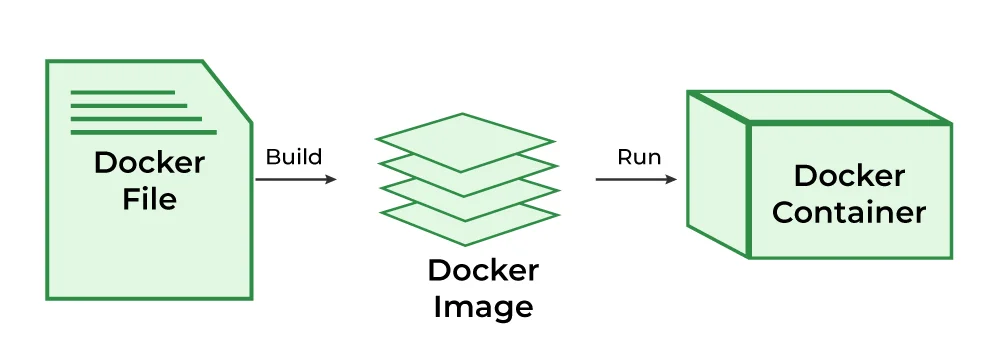
What is Containerization?
Containerization is a lightweight virtualization method that encapsulates an application and its entire software runtime environment—including code, libraries, dependencies, and configuration files—into a single, portable unit known as a container.
Unlike traditional hardware-level virtualization, which relies on a hypervisor to emulate complete physical machines, containerization operates at the operating system level. By leveraging the host OS kernel, containers share the same underlying system resources while remaining isolated from one another. This architectural approach, popularized by the emergence of the Docker engine and the subsequent standardization efforts of the Open Container Initiative (OCI), fundamentally minimizes overhead. Because containers do not require an independent guest operating system, they offer significantly faster boot times, reduced memory footprints, and unparalleled consistency across disparate computing environments.
The evolution of containerization represents a critical shift from monolithic software architecture to modular, microservices-oriented designs. By decoupling applications from the underlying infrastructure, containerization solves the perennial "it works on my machine" problem, ensuring that code behaves identically whether executing on a local developer laptop, a private on-premises server, or a public cloud provider. This abstraction layer is further bolstered by modern orchestration frameworks, most notably Kubernetes, which automates the deployment, scaling, and operational management of containerized workloads at global, hyperscale levels.
Key Characteristics
- Isolation: Each container functions as a discrete process, ensuring that software dependencies do not conflict and that system processes remain secure from one another.
- Portability: Encapsulated in standardized image formats, containers are inherently platform-agnostic, enabling seamless migration between cloud providers and edge computing environments.
- Immutability: Once an image is created, it remains unchanged throughout its lifecycle, promoting predictable deployments and facilitating sophisticated CI/CD (Continuous Integration/Continuous Deployment) pipelines.
- Resource Efficiency: By eliminating the need for redundant guest OS kernels, containers permit higher packing densities on physical hardware compared to virtual machines.
Why It Matters
Containerization is the foundational technology underpinning the modern digital economy. It enables the rapid development cycles required by competitive software enterprises and provides the architectural agility necessary to manage complex, distributed systems. From a geopolitical perspective, containerization is a primary driver of cloud sovereignty; by standardizing the execution environment, nations and corporations can avoid vendor lock-in, facilitating the seamless portability of critical digital infrastructure across international borders. It effectively transforms infrastructure into code, allowing for the rapid deployment of resilient, automated services that define the global technological landscape.