Best Strategies for Home Gardening in Small Spaces: Tech-Savvy Guide
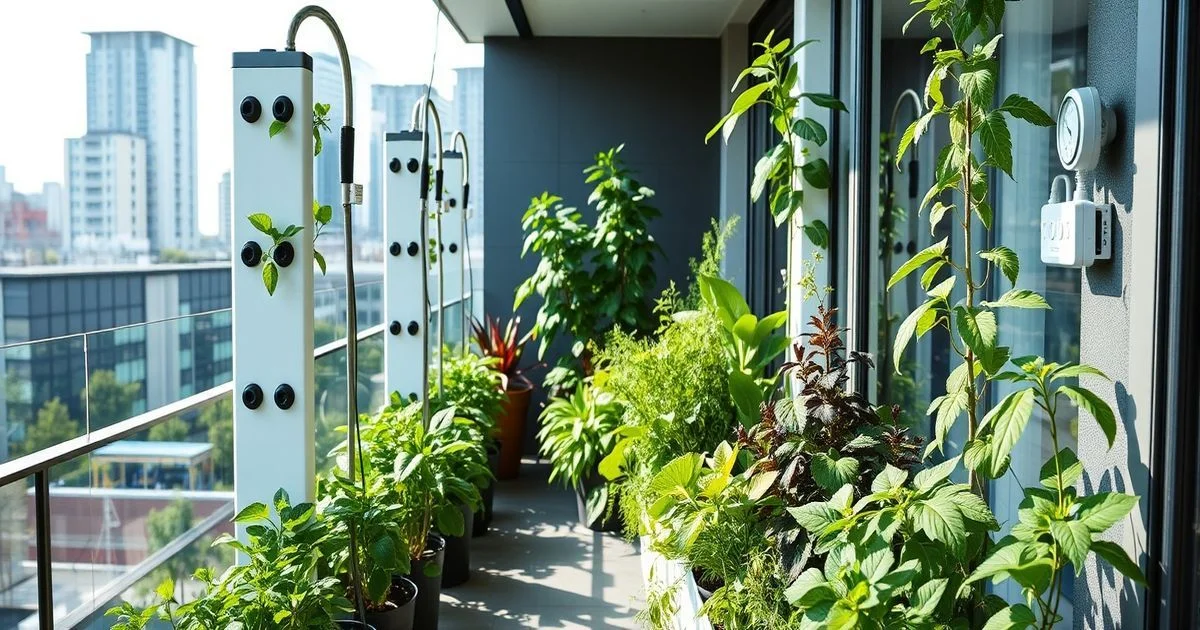
In an increasingly urbanized world, the desire for effective home gardening in small spaces often clashes with the reality of limited square footage, prompting a search for the best strategies. This tech-savvy guide delves into the transformative power of these strategies, turning balconies, windowsills, and tiny patios into thriving green oases. We’ll explore how strategic planning, innovative techniques, and cutting-edge technology can maximize yield, minimize effort, and make fresh, sustainable produce a reality for urban dwellers.
- The Modern Imperative: Why Small Space Gardening?
- Foundational Principles for Efficient Small Space Gardening
- Leveraging Technology: Smart Solutions for Small Gardens
- Strategic Plant Selection and Arrangement
- The Payoff and Pitfalls: Pros & Cons of Small Space Gardening
- The Future of Compact Cultivation: Emerging Trends
- Cultivating Green Futures: Concluding Thoughts on Best Strategies for Home Gardening in Small Spaces
- Frequently Asked Questions
- Further Reading & Resources
The Modern Imperative: Why Small Space Gardening?
The global shift towards urbanization means more people live in cities with limited access to traditional garden plots. Yet, the desire for fresh, organic produce, coupled with growing environmental consciousness, has never been stronger. Small-space gardening emerges as a powerful solution, offering a direct pathway to food sovereignty and sustainable living, even within apartment complexes or compact townhouses. It's a pragmatic response to modern living, allowing individuals to cultivate not just plants, but a deeper connection to their food source and the natural world.
The inherent challenges of small spaces—scarcity of direct sunlight, limited soil volume, and inefficient water use—have historically deterred many aspiring gardeners. Traditional gardening methods, often requiring expansive plots and significant manual labor, simply aren't feasible. However, contemporary advancements in horticultural science and smart home technology are fundamentally reshaping what's possible. We're moving beyond simple potted plants to integrated, highly efficient systems that leverage every cubic inch. This evolution is driven by the understanding that a compact garden isn't just a space-saver; it can be a micro-ecosystem optimized for peak performance and minimal waste, much like a finely tuned data center maximizing computational density.
Beyond the practical benefits of fresh produce, small-space gardening offers significant psychological advantages. Studies have consistently shown that engaging with plants and nature can reduce stress, improve mood, and enhance overall well-being. For those living in concrete jungles, a vibrant balcony garden or a lush indoor vertical farm provides a vital green escape, a personal sanctuary that fosters mindfulness and a sense of accomplishment. It's an accessible form of biophilic design, integrating natural elements into built environments to improve human health and productivity. The psychological advantages of connecting with nature are profound, echoing the positive impacts seen in practices like minimalist interior design for enhancing calm.
Furthermore, the environmental impact of localized food production is substantial. Reducing reliance on supermarket produce often means cutting down on food miles—the distance food travels from farm to plate—which, in turn, lowers carbon emissions. By growing even a fraction of one's own food, individuals contribute to a more sustainable food system, lessen packaging waste, and support biodiversity in their immediate surroundings. This collective effort, powered by distributed, small-scale farming, represents a potent force for ecological restoration and community resilience, underscoring the urgency of addressing global environmental challenges such as Antarctic ice melt. The initial perceived limitations of small spaces are, in fact, the catalysts for ingenious solutions that are both environmentally friendly and incredibly rewarding.
Foundational Principles for Efficient Small Space Gardening
Before diving into specific technologies, understanding the core principles that govern successful gardening in confined areas is crucial. These principles are about maximizing every resource—space, light, and water—to create a productive micro-environment. Think of it as developing an efficient algorithm for your garden: optimizing inputs for maximum output within strict constraints.
Maximizing Verticality: The Sky's the Limit
In small spaces, horizontal real estate is a luxury. Vertical gardening transforms walls, railings, and even unused corners into productive growing areas. This strategy is akin to stacking data in a memory array, efficiently utilizing depth rather than spreading widely.
-
Vertical Planters and Living Walls: These systems use multi-tiered pockets, shelves, or modular panels to grow plants upward. They can be freestanding, mounted on walls, or hung from ceilings. Materials range from recycled plastics to felt pockets, offering diverse aesthetic and functional choices.
- Benefits: Dramatically increases growing area without consuming floor space.
- Provides excellent air circulation.
- Can offer insulation to buildings.
- Considerations: Even water distribution is vital.
- Plants at the top may dry out faster.
- Proper drainage to prevent waterlogging for lower plants.
-
Trellises and Staking: For vining plants like cucumbers, tomatoes, peas, and climbing beans, trellises provide essential support and guide growth upward. This keeps plants off the ground, improves airflow, reduces disease risk, and makes harvesting easier.
-
Types: A-frame trellises, obelisk trellises, netting, cages. Choose options appropriate for the plant's mature size and weight.
- Integration: Can be combined with containers, raised beds, or even used against a sunny wall or fence.
-
Hydroponic/Aeroponic Towers: These advanced systems are the epitome of verticality, often stacking multiple plant sites one above the other. Nutrient-rich water is circulated, providing plants with everything they need directly to their roots.
-
Efficiency: Can use up to 90% less water than traditional soil gardening.
- Faster growth rates.
- No soil, so less mess and no soil-borne pests.
- Technology Integration: Often come with integrated pumps, timers, and sometimes even LED grow lights for indoor setups.
- Benefits: Dramatically increases growing area without consuming floor space.
Smart Water Management: Precision Hydration
Water is a finite resource, and in small-space gardening, its efficient use is paramount. Overwatering can lead to root rot, while underwatering stunts growth. Precision hydration ensures plants receive exactly what they need, when they need it, much like an intelligent resource allocation system in computing.
-
Drip Irrigation Systems: These deliver water directly to the plant's root zone, minimizing evaporation and runoff. A network of emitters, tubes, and a timer can automate the process entirely.
- Components: Timer, pressure regulator, filter, main tubing, smaller feeder lines, drip emitters or micro-sprayers.
- Advantages: Significant water savings (up to 50% compared to manual watering), consistent moisture levels, reduced weed growth (water only target plants).
-
Self-Watering Planters: Designed with a reservoir at the bottom and a wicking system, these containers provide a consistent moisture supply to the plant's roots. They extend the time between waterings, making them ideal for busy individuals or travelers.
-
How they work: Capillary action draws water from the reservoir up into the soil.
- Best for: Thirsty plants, herbs, leafy greens, and vacation-proofing your garden.
-
Wicking Beds: A more advanced form of self-watering, wicking beds incorporate a sealed reservoir below a soil layer, with a wicking material (like geotextile fabric or specific soil mixes) drawing water upwards.
-
Efficiency: Creates a consistent, ideal moisture level throughout the soil, reducing water waste and preventing drought stress.
- Setup: Can be DIY in various containers or purchased as specialized raised beds.
-
Rainwater Harvesting: Collecting rainwater from rooftops or other surfaces can provide a free, natural, and chlorine-free water source for your garden. Small-scale rain barrels are easily integrated into balcony or patio setups.
-
Benefits: Reduces reliance on municipal water, saves money, and is environmentally friendly.
- Considerations: Ensure proper filtration to remove debris and prevent mosquito breeding. Check local regulations.
Light Optimization: Photosynthesis, Reimagined
Light is the energy source for plants, driving photosynthesis. In small spaces, especially indoors or on shaded balconies, optimizing light exposure is often the biggest hurdle. Understanding and manipulating light is key to plant vitality.
-
Understanding Daily Light Integral (DLI): DLI measures the total amount of photosynthetically active radiation (PAR) received by a plant over a 24-hour period. Different plants have different DLI requirements.
- Tool: PAR meters or even some smartphone apps can help estimate DLI.
- Application: Knowing DLI helps determine if natural light is sufficient or if supplemental lighting is needed.
-
Grow Lights (LEDs): For indoor gardening or supplementing natural light, LED grow lights are indispensable. Modern LEDs are energy-efficient, produce specific light spectrums tailored for plant growth, and have a long lifespan.
-
Spectrum: Full-spectrum LEDs mimic natural sunlight. Blue light promotes vegetative growth, while red light encourages flowering and fruiting. Some LEDs allow for spectrum adjustment.
- Placement: Lights should be positioned at the correct distance from plants to avoid burning (too close) or stretching (too far). Light movers can help distribute light evenly.
-
Reflective Surfaces: Using white paint, reflective mylar, or aluminum foil on walls or surfaces around your plants can significantly bounce available light back onto the foliage, increasing overall light intensity.
-
Benefit: Maximizes the use of existing light, especially in corners or shaded areas.
- Application: Can be used on the back of shelves, inside grow tents, or around individual plants.
-
Strategic Plant Placement and Rotation: Observe how sunlight moves across your space throughout the day and year. Place sun-loving plants in the brightest spots and shade-tolerant plants in dimmer areas. Regularly rotate containers to ensure all sides of a plant receive adequate light.
-
Seasonality: Adjust placement as the sun's angle changes with the seasons.
Leveraging Technology: Smart Solutions for Small Gardens
The intersection of horticulture and technology has given rise to "smart gardening," a paradigm shift that makes small-space cultivation more accessible, efficient, and ultimately, more productive. These solutions transform gardening from a labor-intensive chore into an intelligent, data-driven system.
IoT Sensors and Automated Systems
Imagine a garden that tells you exactly what it needs. IoT (Internet of Things) sensors are the nervous system of a smart garden, constantly monitoring environmental conditions and relaying data to a central hub, often a smartphone app. This enables precise, automated responses, much like an intelligent control system managing a complex network.
-
Soil Moisture Sensors: These devices measure the volumetric water content in the soil, helping to prevent both over and underwatering. They can trigger automated irrigation systems when moisture levels drop below a predefined threshold.
- Types: Capacitive (non-corrosive, more accurate over time) and resistive (cheaper, but can degrade).
- Integration: Connect to Wi-Fi hubs and apps, allowing remote monitoring and control.
-
pH and Nutrient Sensors: Monitoring soil pH is critical as it affects nutrient availability. Nutrient sensors can detect the presence and concentration of essential elements (N, P, K).
-
Importance: Allows for targeted fertilization, preventing deficiencies or excesses that can harm plants. Especially vital for hydroponic systems.
- Data Analysis: Over time, data from these sensors can help identify optimal nutrient ratios for specific crops.
-
Automated Watering and Lighting Systems: Based on sensor data and predefined schedules, smart systems can automatically deliver water and adjust grow light cycles.
-
Functionality: Timers for lights, programmable irrigation pumps, solenoid valves for drip systems.
- Benefits: Consistency, water conservation, energy efficiency, and peace of mind for the gardener. Reduces human error and labor.
-
Smartphone Apps for Monitoring and Control: These apps are the user interface for your smart garden. They display real-time data from sensors, allow you to adjust settings remotely, receive alerts (e.g., low water reservoir, extreme temperature), and even offer plant-specific advice.
-
Features: Data visualization, historical trends, remote control, plant encyclopedia, troubleshooting guides.
- Examples: Apps compatible with popular smart garden brands (e.g., Click & Grow, AeroGarden, or platforms like Home Assistant for DIY setups).
Hydroponics, Aeroponics, and Aquaponics: Soilless Cultivation
These soilless growing methods are game-changers for small spaces, offering unparalleled efficiency and control. They eliminate the need for bulky soil, reduce pest issues, and significantly conserve water.
-
Hydroponics: Plants grow with their roots immersed in nutrient-rich water. This method allows precise control over nutrient delivery and pH.
- Sub-types: Deep Water Culture (DWC), Nutrient Film Technique (NFT), Drip Systems, Wick Systems.
- Advantages: Faster growth, higher yields, up to 90% less water usage, no soil-borne diseases.
- Ideal for: Leafy greens, herbs, strawberries, dwarf tomatoes.
-
Aeroponics: Plants are suspended in air, and their roots are misted with nutrient solution. This provides maximum oxygen to the roots, leading to even faster growth rates than hydroponics.
-
Efficiency: Extremely water-efficient and rapid growth.
- Complexity: Requires fine mist nozzles and precise timing, which can be more complex to set up.
-
Aquaponics: A symbiotic system combining aquaculture (raising fish) and hydroponics. Fish waste provides nutrients for the plants, and the plants filter the water for the fish.
-
Sustainability: Creates a closed-loop ecosystem, highly sustainable.
- Considerations: Requires careful balancing of the fish-to-plant ratio and monitoring water parameters for both fish and plants. More complex to establish and maintain but incredibly rewarding.
Compact Growing Systems and Tools
Beyond the high-tech, practical innovations in gardening equipment significantly enhance small-space efficiency.
- Stackable Planters and Modular Systems: Designed to fit into tight corners or along railings, these planters maximize volume in a small footprint. They often come with integrated drainage.
- Hanging Baskets and Railing Planters: Utilize vertical space on balconies or window frames. Perfect for trailing plants, herbs, or flowers.
- Mini Greenhouses and Cold Frames: Small, portable structures that provide a controlled environment for seedlings, extending the growing season, or protecting delicate plants from harsh weather. Often made of polycarbonate or plastic sheeting.
- Ergonomic, Multi-functional Tools: Smaller, foldable, or telescopic tools designed for tight spaces. Think mini trowels, hand pruners, and extendable watering wands. The focus is on tools that are efficient and easy to store.
Seed Starting and Propagation Technologies
Getting plants started right is crucial, and technology simplifies this initial phase, ensuring strong, healthy seedlings.
- Heat Mats: Provide consistent bottom heat to seed trays, promoting faster germination for many plant varieties. Essential for plants that require warmer soil temperatures to sprout.
- Grow Light Systems for Seedlings: Small LED panels or fluorescent fixtures provide the necessary light spectrum for young plants, preventing them from becoming leggy and weak due to insufficient light.
- Aeroponic Propagators: These systems use mist to root cuttings quickly and efficiently, often achieving higher success rates than traditional methods. They are excellent for cloning desired plants.
Strategic Plant Selection and Arrangement
The success of a small-space garden hinges not just on technology and ingenious structures, but also on intelligent plant choices and their strategic arrangement. It's about optimizing biodiversity and yield within your specific microclimate.
Choosing the Right Crops for Limited Space
Not all plants are created equal when it comes to compact growing. Selecting varieties specifically bred for smaller footprints or those that naturally grow well in containers is paramount.
-
Compact Varieties: Look for terms like "dwarf," "bush," or "patio" in plant descriptions.
- Examples:
- Tomatoes: 'Patio Princess', 'Tiny Tim', 'Micro Tom', 'Bush Early Girl'. These are determinate varieties that produce fruit all at once and have a smaller growth habit.
- Cucumbers: 'Bush Pickle', 'Spacemaster', 'Salad Bush'. These have shorter vines or bushier forms.
- Beans: 'Contender' bush beans, rather than pole beans (unless you're using a trellis).
- Peppers: Bell peppers and chili peppers often do well in containers. Look for 'Lunchbox' varieties or 'Mini Belle'.
-
Vining Plants for Verticality: While some vining plants can take over, when properly trellised, they become highly efficient vertical growers.
-
Examples: Pole beans, climbing peas, small gourds, specific cucumber varieties. These are excellent for maximizing yield per square foot of ground space by growing upwards.
-
Herbs and Leafy Greens: These are the superstars of small-space gardening. They offer quick harvests, continuous yields (cut-and-come-again), and don't require deep root systems. For a more detailed guide on establishing these, consider resources like How to Start a Sustainable Indoor Herb Garden.
-
Herbs: Basil, mint, parsley, cilantro, chives, oregano, thyme. Many are perfect for windowsills or small pots.
- Leafy Greens: Lettuce (especially loose-leaf or romaine), spinach, kale, Swiss chard, arugula. Can be grown in shallow containers or vertical systems.
-
Microgreens: The ultimate in compact, quick-turnaround crops. Grown densely from seeds and harvested when just a few inches tall, they offer nutrient-dense superfoods in days.
-
Setup: Shallow trays, a grow light (optional but beneficial), and a spray bottle.
- Variety: Radish, broccoli, mustard, arugula, basil, kale.
- Examples:
Companion Planting for Mutual Benefit
Companion planting is an age-old gardening technique that leverages plant interactions to improve growth, deter pests, and enhance flavor. In small spaces, where every plant counts, these synergies are particularly valuable.
-
Pest Deterrence: Certain plants release compounds that repel common pests.
- Marigolds: Known to deter nematodes and other soil pests.
- Basil: Reportedly repels flies and mosquitoes, and is said to improve the flavor of tomatoes when planted nearby.
- Nasturtiums: Act as a "trap crop" for aphids, drawing them away from more valuable plants.
-
Growth Enhancement: Some plants can improve the growth or health of their neighbors.
-
Legumes (beans, peas): Fix nitrogen in the soil, enriching it for heavy feeders like corn or squash.
- Chamomile: Believed to improve the growth and flavor of nearby herbs.
-
Shade and Support: Taller plants can provide beneficial shade to sun-sensitive plants, or sturdy stems can act as natural supports.
-
"Three Sisters" (corn, beans, squash): While traditionally for larger plots, the principle of corn providing a trellis for beans, and squash providing ground cover and moisture retention, can be adapted on a smaller scale with dwarf varieties.
- Efficient Space Utilization: Pairing plants with different growth habits (e.g., shallow-rooted lettuce under taller tomatoes) maximizes the use of vertical and horizontal space.
Succession Planting: Continuous Harvests
Succession planting is a strategy to ensure a continuous supply of produce throughout the growing season by staggering plantings of the same crop. Instead of planting all your lettuce seeds at once, you plant a small batch every 2-3 weeks.
- How it Works: As one batch matures and is harvested, the next batch is ready to take its place. This avoids gluts of produce and ensures a steady supply.
- Best for: Fast-growing crops like lettuce, spinach, radishes, arugula, cilantro, and bush beans.
- Planning: Requires a bit of planning to calculate maturity dates and planting intervals. Using a simple spreadsheet or a gardening app can help manage the schedule.
- Benefits in Small Spaces: Maximizes the output from a limited number of containers or growing beds over an extended period. Converts a single harvest into multiple, smaller harvests.
The Payoff and Pitfalls: Pros & Cons of Small Space Gardening
Like any endeavor, small-space gardening, particularly when integrating technology, comes with its own set of advantages and challenges. A balanced perspective is crucial for realistic expectations and sustained enjoyment.
Advantages
The benefits of cultivating a compact garden are diverse, spanning personal well-being to environmental stewardship.
- Fresh, Organic Produce at Your Fingertips: This is arguably the most compelling advantage. Imagine stepping onto your balcony to snip fresh basil for dinner or plucking a ripe tomato for your salad. You control what goes into your plants, eliminating concerns about pesticides or unknown chemicals. The nutritional value of freshly harvested produce is also superior to items that have traveled long distances.
- Therapeutic Benefits and Stress Reduction: Gardening, even on a small scale, is a proven stress reliever. The act of nurturing plants, observing their growth, and connecting with nature offers a calming escape from the daily grind. It fosters mindfulness, reduces anxiety, and can significantly improve mental well-being, transforming your small space into a personal sanctuary.
-
Reduced Environmental Footprint: By growing your own food, you contribute to a more sustainable planet. This includes:
- Lower Food Miles: Decreased transportation needs mean fewer carbon emissions.
- Reduced Waste: Less packaging from store-bought produce.
- Water Conservation: Especially true with smart irrigation and hydroponic systems.
- Support for Local Ecosystems: Even a small garden can attract beneficial insects and pollinators.
- Cost Savings on Groceries: While there might be an initial investment, over time, growing your own high-value crops like herbs, specialty greens, and certain vegetables can lead to significant savings on your grocery bill. The cost per harvest often becomes remarkably low.
- Accessibility for Urban Dwellers: Small-space gardening democratizes access to fresh food and the joys of cultivation, regardless of whether you own land. It empowers apartment residents, condominium owners, and anyone with limited outdoor space to participate in the growing movement.
- Educational Opportunity: It's an excellent way to learn about botany, ecology, and sustainable practices. For families, it offers a hands-on lesson in where food comes from.
- Aesthetic Enhancement: A well-designed small garden adds beauty, color, and life to an otherwise sterile urban environment, enhancing curb appeal or personal living spaces.
Challenges
Despite the numerous benefits, integrating technology and cultivating in small spaces presents certain hurdles that require attention.
- Initial Setup Cost for Smart Systems: High-tech gardening solutions, such as advanced hydroponic systems, IoT sensors, and quality LED grow lights, can require a significant upfront investment. While they offer long-term savings and efficiency, this initial cost can be a barrier for some.
- Learning Curve for New Technology: Adapting to automated irrigation, monitoring pH levels, understanding nutrient ratios for hydroponics, or troubleshooting app connectivity can be daunting for novices. There's a period of learning and experimentation required to master these systems effectively.
- Pest and Disease Management in Confined Spaces: While soilless systems reduce some pest issues, others can still arise. In a small, dense garden, pests and diseases can spread rapidly if not caught early. Integrated Pest Management (IPM) strategies, which prioritize prevention and non-toxic interventions, become even more critical.
- Dependency on Power for Automated Systems: Smart gardens rely on electricity for pumps, lights, and sensors. Power outages can disrupt automated schedules, potentially leading to plant stress or system failure if not addressed promptly. Backup power solutions might be necessary for critical systems.
- Limited Variety and Scale: While impressive yields can be achieved, a small space inherently limits the sheer volume and diversity of crops compared to a large traditional garden. You might not be able to grow vast quantities of root vegetables or sprawling plants simultaneously.
- Maintenance of Hydroponic/Aquaponic Systems: While reducing soil work, soilless systems require diligent monitoring of water levels, pH, and nutrient concentrations. Cleaning reservoirs and preventing algae growth are ongoing tasks.
- Seasonal Limitations (for outdoor spaces): While indoor systems can run year-round, outdoor small gardens are still subject to local climate and seasonal changes, albeit potentially mitigated by cold frames or mini-greenhouses.
The Future of Compact Cultivation: Emerging Trends
The evolution of small-space gardening is far from over. As technology continues to advance and urban populations grow, we can anticipate even more sophisticated and integrated solutions. The future promises gardens that are not just smart, but truly intelligent and seamlessly woven into our living environments.
- AI-Powered Plant Diagnostics and Care: Imagine an AI that scans your plants, identifies early signs of disease or nutrient deficiency, and recommends precise interventions. Machine learning algorithms, trained on vast datasets of plant health, will offer personalized care instructions, predicting issues before they become visible to the human eye. This could involve image recognition combined with environmental data from sensors to provide real-time, actionable advice.
- Advanced Robotics for Planting and Harvesting: While perhaps starting with commercial vertical farms, miniaturized robotic arms could eventually automate tasks like precise seeding, pruning, and even delicate harvesting of ripe produce in personal grow towers. These robots would optimize labor, reduce waste, and ensure maximum yield with minimal human intervention.
- Personalized Nutrient Delivery Systems: Current hydroponic systems provide a general nutrient solution. Future systems might use micro-dosing based on the specific needs of individual plants within a multi-crop setup, adjusting nutrient ratios in real-time according to growth stage, light exposure, and species requirements, achieving unparalleled precision.
- Community Urban Farming Initiatives with Integrated Tech: The concept of shared, high-tech urban farms could expand. Imagine local community centers or apartment buildings hosting vertical farms managed by AI, where residents can subscribe to fresh produce and even participate in the gardening process via shared apps. These initiatives would leverage economies of scale for technology while fostering community engagement.
- Integration with Smart Home Ecosystems: Your smart garden will become an integral part of your larger smart home. Imagine your home assistant notifying you when your lettuce is ready for harvest, or automatically adjusting indoor humidity levels to optimize plant growth while you're away. Data from your garden could even inform your grocery shopping list.
- Biotech-Enhanced Plant Varieties: Ongoing research in plant genetics will likely lead to even more compact, pest-resistant, and high-yielding plant varieties specifically engineered for indoor and small-space conditions, potentially including plants optimized for specific LED light spectrums.
- Sustainable and Recycled Materials: The development of growing systems using advanced recycled plastics, biodegradable materials, or even 3D-printed components will make compact gardening more environmentally friendly and customizable.
Cultivating Green Futures: Concluding Thoughts on Best Strategies for Home Gardening in Small Spaces
The journey into best strategies for home gardening in small spaces reveals a vibrant convergence of horticultural wisdom and technological prowess. From the ancient art of companion planting to the cutting-edge integration of IoT sensors and AI, the modern small-space gardener is equipped with an unprecedented toolkit. We've seen how verticality redefines real estate, smart systems streamline care, and careful plant selection ensures bountiful harvests.
Ultimately, these strategies democratize gardening, breaking down the barriers of space and time that once limited urban cultivation. They empower individuals to reclaim a connection to their food, contribute to environmental sustainability, and enjoy the profound therapeutic benefits of nurturing life. The future of compact cultivation is not just about growing plants; it's about growing communities, fostering well-being, and building a greener, more resilient urban future, one small, smart garden at a time. The initial investment in learning and technology is a seed planted for continuous returns in fresh produce, personal satisfaction, and a deeper appreciation for the living world.
Frequently Asked Questions
Q: What are the best plants for small-space gardening?
A: Herbs, leafy greens like lettuce and spinach, and compact varieties of vegetables such as 'Patio Princess' tomatoes or 'Bush Pickle' cucumbers are ideal. They offer high yield in limited space and often have shorter growing cycles.
Q: How can technology improve small-space gardening?
A: IoT sensors can monitor soil moisture and pH, while automated systems handle watering and lighting. Hydroponics and aeroponics offer efficient, soilless cultivation with faster growth and significant water savings.
Q: What are the main benefits of gardening in small urban spaces?
A: Key benefits include access to fresh, organic produce, stress reduction, and a reduced environmental footprint through lower food miles. It also offers significant cost savings on groceries over time.