Unlocking Heart Health: Benefits of Plant-Based Diets
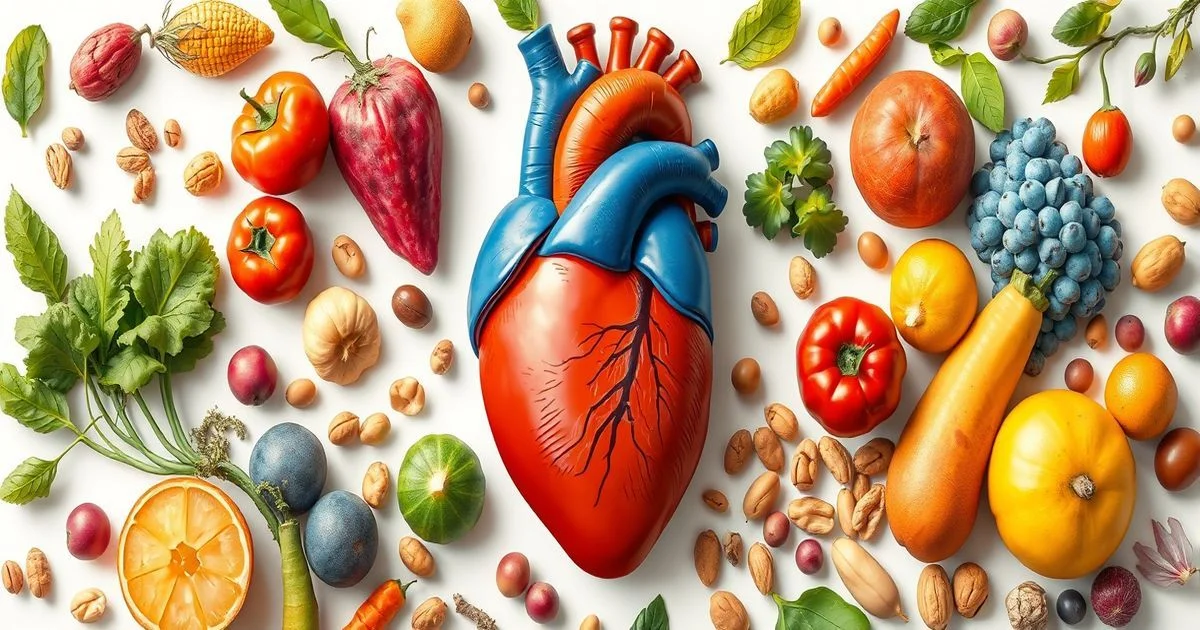
The profound impact of dietary choices on our long-term well-being is a topic of intense scientific scrutiny, particularly when it comes to cardiovascular health. As research continues to unravel the intricate connections between what we eat and the vitality of our circulatory system, one dietary approach consistently emerges with compelling evidence: plant-based eating. This comprehensive guide will delve deep into the scientific Benefits of Plant-Based Diets for Heart Health, exploring how a shift towards plant-centric nutrition can fortify the heart and significantly reduce the risk of cardiovascular diseases. We’ll uncover the mechanisms by which these diets promote longevity and robust well-being.
- What Constitutes a Plant-Based Diet? Defining the Spectrum
- The Science Behind the Heart-Healthy Advantage
- Key Nutritional Components Driving Cardiovascular Benefits of Plant-Based Diets
- Real-World Applications: Integrating Plant-Based Eating into Your Life
- Debunking Myths and Addressing Challenges
- The Future of Dietary Science and Cardiovascular Health
- Conclusion: Embracing the Benefits of Plant-Based Diets for Heart Health
- Frequently Asked Questions
- Further Reading & Resources
What Constitutes a Plant-Based Diet? Defining the Spectrum
The term "plant-based diet" is often misunderstood, frequently conflated with strict veganism. In reality, it represents a much broader dietary spectrum that emphasizes whole, unprocessed plant foods while minimizing or excluding animal products. Understanding this spectrum is crucial for appreciating its diverse applications and widespread appeal in the pursuit of enhanced cardiovascular health. It's less about rigid exclusion and more about conscious inclusion of nutrient-dense botanical sources.
Beyond Vegan: A Broader Understanding
While a vegan diet is strictly plant-based, avoiding all animal products (meat, dairy, eggs, honey), other interpretations offer more flexibility. These include:
- Vegetarian: Excludes meat, poultry, and fish, but may include dairy and eggs (lacto-ovo vegetarian).
- Pescatarian: Excludes meat and poultry, but includes fish, seafood, dairy, and eggs.
- Flexitarian: Primarily plant-based with occasional inclusion of meat, poultry, or fish. This approach often focuses on reducing, rather than eliminating, animal products.
- Whole-Food, Plant-Based (WFPB): Emphasizes unprocessed fruits, vegetables, whole grains, legumes, nuts, and seeds, while strictly limiting or avoiding refined foods, added sugars, and oils, as well as animal products. This is often considered the gold standard for health outcomes.
The common thread across all these variations, especially those showing significant heart health benefits, is the prioritization of nutrient-rich plant foods. This emphasis naturally leads to higher consumption of fiber, vitamins, minerals, and antioxidants, alongside a reduction in saturated fat and dietary cholesterol often associated with animal products. The cumulative effect of these shifts is what primarily drives the beneficial outcomes for the cardiovascular system.
Core Principles for Cardiovascular Well-being
Regardless of where one falls on the plant-based spectrum, certain core principles contribute to the profound cardiovascular advantages observed. These principles revolve around nutrient density, anti-inflammatory properties, and the absence of deleterious compounds often found in typical Western diets. The consistent application of these tenets forms the bedrock of heart-protective eating.
- High Fiber Intake: Plant foods are the sole source of dietary fiber, which plays a critical role in cholesterol management and gut health. Fiber acts like a "scourer" in the digestive system, binding to cholesterol and preventing its reabsorption.
- Abundance of Antioxidants and Phytonutrients: Fruits, vegetables, and whole grains are packed with compounds that protect cells from damage caused by free radicals and reduce inflammation. These substances are crucial for maintaining endothelial function, the health of the inner lining of blood vessels.
- Low Saturated and Trans Fats: Plant-based diets are inherently low in saturated fat and free of trans fats, which are major contributors to elevated LDL ("bad") cholesterol levels. This dietary profile contrasts sharply with diets rich in processed foods and fatty meats.
- No Dietary Cholesterol: Cholesterol is only found in animal products. Eliminating or significantly reducing animal product consumption directly lowers dietary cholesterol intake, a key factor in reducing atherosclerosis risk.
- Rich in Potassium and Magnesium: These minerals, abundant in many plant foods, are essential for blood pressure regulation and healthy heart rhythm. They counter the effects of sodium, helping to maintain fluid balance and vascular tone.
These foundational elements work synergistically, creating an internal environment that is conducive to optimal heart function and resilient against the development of cardiovascular diseases. The consistent provision of these protective factors over time contributes to a profound shift in health trajectory.
The Science Behind the Heart-Healthy Advantage
The scientific community has meticulously investigated the mechanisms through which plant-based diets confer their cardiovascular benefits. It's not a singular factor but a symphony of physiological changes that collectively safeguard the heart. This multifaceted approach involves improvements at the cellular, vascular, and metabolic levels, offering comprehensive protection against disease progression. Understanding these intricate pathways illuminates the power of plant-centric nutrition.
Reducing "Bad" Cholesterol (LDL): The Fiber Factor
One of the most well-documented benefits of plant-based diets for heart health is their remarkable ability to lower low-density lipoprotein (LDL) cholesterol, often referred to as "bad" cholesterol. High levels of LDL are a primary risk factor for atherosclerosis, the hardening and narrowing of arteries due to plaque buildup. Plant-based diets tackle this issue through several interconnected pathways.
- Soluble Fiber: Found in oats, barley, legumes, apples, and citrus fruits, soluble fiber forms a gel-like substance in the digestive tract. This gel binds to bile acids (which are made from cholesterol) and dietary cholesterol, preventing their absorption into the bloodstream. Instead, they are excreted, forcing the liver to draw more cholesterol from the blood to produce new bile acids, thereby lowering circulating LDL levels.
- Absence of Dietary Cholesterol: As previously mentioned, plant foods contain no cholesterol. By reducing or eliminating animal products, direct intake of dietary cholesterol is drastically cut, further contributing to lower blood cholesterol levels.
- Plant Sterols and Stanols: These compounds, naturally found in small amounts in plants, compete with cholesterol for absorption in the gut. When consumed in higher quantities (either naturally or through fortified foods), they can significantly reduce LDL cholesterol.
Research, such as that published in the Journal of the American Heart Association, consistently shows that individuals adhering to plant-based diets have significantly lower total and LDL cholesterol levels compared to omnivores. This is a powerful, direct mechanism for reducing atherosclerotic risk.
Optimizing Blood Pressure: Potassium and Nitric Oxide
Hypertension, or high blood pressure, is another leading risk factor for heart disease and stroke. Plant-based diets are highly effective in promoting healthy blood pressure levels, primarily due to their unique mineral composition and impact on vascular function. The interplay of various nutrients and bioactive compounds contributes to this vital regulatory effect.
- Potassium-Rich Foods: Fruits (bananas, oranges), vegetables (spinach, potatoes, sweet potatoes), and legumes are excellent sources of potassium. Potassium helps balance sodium levels in the body, promoting sodium excretion and relaxing blood vessel walls, both of which lead to lower blood pressure.
- Magnesium: Leafy greens, nuts, seeds, and whole grains provide ample magnesium, another mineral crucial for blood pressure regulation. Magnesium helps relax smooth muscle cells in the arteries, facilitating better blood flow and reducing vascular resistance.
- Nitric Oxide Production: Many plant foods, particularly leafy green vegetables like spinach and kale, are rich in nitrates. These dietary nitrates are converted into nitric oxide in the body. Nitric oxide is a potent vasodilator, meaning it helps relax and widen blood vessels, significantly improving blood flow and reducing blood pressure. This mechanism is critical for maintaining healthy arterial flexibility and responsiveness.
The DASH (Dietary Approaches to Stop Hypertension) diet, which is largely plant-based, serves as a prime example of this efficacy. Studies consistently demonstrate that diets rich in fruits, vegetables, and whole grains can lower systolic blood pressure by several mmHg, comparable to some single antihypertensive medications. For those looking to further enhance their cardiac performance through physical activity, understanding how to improve cardiovascular endurance for marathon running can complement these dietary benefits.
Combating Inflammation and Oxidative Stress: Antioxidants and Phytonutrients
Chronic inflammation and oxidative stress are insidious processes that underpin the development and progression of numerous chronic diseases, including cardiovascular disease. They damage blood vessel linings, contribute to plaque instability, and promote thrombosis. Plant-based diets are inherently anti-inflammatory and rich in protective compounds.
- Antioxidants: Vitamins C and E, carotenoids, and flavonoids, abundant in fruits, vegetables, nuts, and seeds, neutralize free radicals. These unstable molecules can damage cells and DNA, including those in the arterial walls. By quenching free radicals, antioxidants protect against oxidative damage, preserving the integrity of blood vessels.
- Phytonutrients: Beyond traditional vitamins, plants contain thousands of unique compounds (e.g., polyphenols, sulforaphanes, resveratrol) that exhibit powerful anti-inflammatory and antioxidant properties. These compounds modulate signaling pathways involved in inflammation, helping to reduce the systemic inflammatory burden on the cardiovascular system.
- Reduced Inflammatory Triggers: Conversely, plant-based diets typically contain fewer inflammatory triggers found in diets high in processed foods, refined sugars, and some animal fats, thus further reducing the overall inflammatory state.
This dual action of providing protective compounds while minimizing inflammatory inputs creates an environment less prone to the endothelial dysfunction and arterial damage that precede heart disease.
Supporting Endothelial Function: The Vessel Protector
The endothelium, a thin layer of cells lining the inside of blood vessels, is a critical player in cardiovascular health. It regulates vascular tone, blood clotting, and inflammatory responses. Impaired endothelial function is an early marker of atherosclerosis. Plant-based diets support robust endothelial health through several mechanisms.
As discussed, the production of nitric oxide, facilitated by dietary nitrates from leafy greens, is paramount. Nitric oxide relaxes and expands blood vessels, improving blood flow and reducing pressure. Furthermore, the anti-inflammatory and antioxidant properties of plant foods protect the endothelial cells from damage. A healthy endothelium is supple, responsive, and resistant to plaque formation.
Gut Microbiome and Cardiac Health: A Symbiotic Relationship
Emerging research highlights the profound connection between the gut microbiome (the trillions of microorganisms residing in our intestines) and cardiovascular health. A healthy, diverse gut microbiome, fostered by a plant-rich diet, plays a pivotal role in mediating many of the heart-protective effects. This symbiotic relationship underscores the holistic nature of nutritional impact.
- Short-Chain Fatty Acids (SCFAs): The fiber in plant foods is fermented by gut bacteria, producing SCFAs like butyrate, propionate, and acetate. These SCFAs have systemic anti-inflammatory effects, improve insulin sensitivity, and may directly impact cholesterol metabolism and blood pressure regulation. Butyrate, in particular, is a crucial energy source for gut cells, promoting gut barrier integrity.
- Reduced TMAO Production: Some animal products, particularly red meat, contain L-carnitine and phosphatidylcholine, which are metabolized by certain gut bacteria into trimethylamine (TMA). TMA is then converted in the liver to trimethylamine N-oxide (TMAO), a compound strongly linked to increased risk of atherosclerosis, heart attack, and stroke. Plant-based diets naturally reduce the substrates for TMAO production, thereby lowering circulating TMAO levels and mitigating this cardiovascular risk factor.
- Increased Microbial Diversity: A diverse and balanced gut microbiome is associated with better health outcomes. Plant-based diets, rich in varied fibers and prebiotics, foster a wider array of beneficial gut bacteria, strengthening the gut barrier and reducing the translocation of inflammatory compounds into the bloodstream.
This intricate interplay between diet, gut microbiota, and host physiology represents a frontier in understanding the comprehensive benefits of plant-based diets for heart health, offering yet another compelling reason to embrace a plant-centric eating pattern.
Key Nutritional Components Driving Cardiovascular Benefits of Plant-Based Diets
The heart-protective power of plant-based diets isn't just about what they exclude; it's profoundly about the incredible array of nutrients they provide. These components work synergistically to create a resilient cardiovascular system, each playing a vital role in maintaining optimal function and preventing disease. Understanding these core elements empowers individuals to make informed dietary choices.
Dietary Fiber: The Unsung Hero
Fiber, exclusively found in plant foods, is arguably one of the most critical components for heart health. It comes in two main forms, both contributing uniquely to cardiovascular well-being.
- Soluble Fiber: As discussed, soluble fiber helps lower LDL cholesterol by binding to bile acids. Good sources include oats, barley, legumes (beans, lentils, peas), apples, citrus fruits, and psyllium.
- Insoluble Fiber: Found in whole grains, nuts, seeds, and the skins of fruits and vegetables, insoluble fiber adds bulk to stool, promoting regular bowel movements. While its direct effect on cholesterol is less pronounced than soluble fiber, it contributes to overall gut health, satiety, and may help with weight management, indirectly benefiting heart health.
A meta-analysis published in The Lancet confirmed that high fiber intake significantly reduces the risk of cardiovascular disease, stroke, type 2 diabetes, and colorectal cancer. The recommended daily intake is 25-38 grams, a target easily met and often exceeded on a whole-food, plant-based diet, contrasting sharply with the average Western diet, which typically falls far short.
Healthy Fats: Monounsaturated and Polyunsaturated Powerhouses
While often demonized, not all fats are created equal. Plant-based diets emphasize healthy, unsaturated fats, which are crucial for cardiovascular health. These fats actively work to improve cholesterol profiles and reduce inflammation.
- Monounsaturated Fatty Acids (MUFAs): Found abundantly in olive oil, avocados, and nuts (almonds, cashews, pecans), MUFAs help lower LDL cholesterol while maintaining or even increasing HDL ("good") cholesterol. This favorable lipid profile is a cornerstone of heart protection.
- Polyunsaturated Fatty Acids (PUFAs): These include Omega-3 and Omega-6 fatty acids, both essential and sourced from plants.
- Omega-3s: Alpha-linolenic acid (ALA), a plant-based omega-3, is found in flaxseeds, chia seeds, walnuts, and hemp seeds. While ALA needs to be converted to EPA and DHA (the forms primarily found in fish oil), studies suggest that consistent intake of ALA contributes to reduced cardiovascular risk, anti-inflammatory effects, and improved endothelial function.
- Omega-6s: While excessive omega-6 (from refined vegetable oils) can be pro-inflammatory, whole-food sources like nuts and seeds provide balanced omega-6s that are essential for many bodily functions. The key is balance and sourcing from whole foods rather than highly processed oils.
Replacing saturated and trans fats with these healthy plant-based fats is a foundational strategy for mitigating heart disease risk. They contribute to cell membrane fluidity, hormone production, and the absorption of fat-soluble vitamins.
Vitamins, Minerals, and Phytonutrients: A Micro-Nutrient Symphony
Beyond macronutrients, plant-based diets are veritable treasure troves of micronutrients and bioactive compounds that provide intricate support for the heart. Each plays a distinct yet interconnected role in maintaining cellular health and systemic balance.
- Vitamins:
- Vitamin C: A powerful antioxidant found in citrus fruits, berries, and leafy greens, vitamin C is essential for collagen formation (supporting blood vessel walls) and protecting against oxidative stress.
- Vitamin E: Another antioxidant, found in nuts, seeds, and leafy greens, vitamin E protects cell membranes from oxidative damage.
- B Vitamins (especially Folate): Found in leafy greens, legumes, and whole grains, folate helps metabolize homocysteine, an amino acid whose high levels are associated with increased risk of heart disease.
- Minerals:
- Potassium and Magnesium: As discussed, critical for blood pressure regulation and cardiac rhythm.
- Calcium: Essential for muscle contraction, including the heart muscle, found in leafy greens, fortified plant milks, and tofu.
- Selenium: An antioxidant trace mineral found in Brazil nuts, seeds, and whole grains, which supports enzyme function that protects against oxidative damage.
- Phytonutrients: These non-nutrient plant compounds, such as flavonoids (found in berries, tea, dark chocolate), carotenoids (found in orange and red produce), and glucosinolates (in cruciferous vegetables), offer a vast array of antioxidant, anti-inflammatory, and anti-cancer properties. They modulate gene expression, influence cellular signaling, and provide comprehensive cellular protection.
The sheer diversity and density of these micronutrients in plant-based diets provide unparalleled systemic support, going beyond just basic nutritional requirements to actively promote disease prevention and optimal physiological function.
Lean Protein Sources: Beyond the Animal Kingdom
While often a point of concern for those new to plant-based eating, plants offer a wide array of complete and lean protein sources that contribute positively to heart health, free from the saturated fat and cholesterol found in many animal proteins.
- Legumes: Beans, lentils, chickpeas, and peas are excellent sources of protein and fiber. Studies show that regular legume consumption is associated with lower blood pressure, reduced cholesterol, and better blood sugar control.
- Tofu, Tempeh, and Edamame: These soy-based products are complete proteins and have been shown to help lower LDL cholesterol. Their versatility makes them easy to incorporate into various dishes.
- Nuts and Seeds: Almonds, walnuts, chia seeds, flaxseeds, and hemp seeds not only provide protein but also healthy fats, fiber, and an array of micronutrients, further bolstering their heart-protective profile.
- Whole Grains: Quinoa, oats, brown rice, and whole wheat bread contribute significant amounts of protein, particularly when consumed as a staple. Quinoa, notably, is a complete protein, containing all nine essential amino acids.
These plant-based protein sources, by replacing higher-fat animal proteins, play a crucial role in lowering overall intake of saturated fat and cholesterol, thus directly benefiting cardiovascular health. They offer satiation without the burden of detrimental fats, fostering a healthier metabolic state.
Real-World Applications: Integrating Plant-Based Eating into Your Life
Adopting a plant-based diet for heart health doesn't require an overnight overhaul or sacrifice of enjoyment. It's a journey of conscious choices and strategic planning that can be both delicious and sustainable. The transition can be gradual, allowing for adaptation and discovery of new culinary favorites. Practical strategies make this dietary shift accessible and enjoyable for everyone.
Meal Planning and Preparation Strategies
Successful long-term adherence to a plant-based diet hinges on effective meal planning and preparation. This ensures nutritional adequacy and prevents reliance on convenience foods that may not be optimally healthy. For those aiming to optimize their diet further, learning how to create a balanced meal plan for weight loss can provide synergistic benefits for overall cardiovascular health.
- Focus on Variety: Aim to include a wide range of fruits, vegetables, whole grains, legumes, nuts, and seeds in your weekly meals. Different colors often indicate different phytonutrients.
- Batch Cooking: Dedicate a few hours one day a week to prepare staple ingredients like cooked grains (quinoa, brown rice), roasted vegetables, and cooked beans or lentils. These can be easily assembled into quick meals throughout the week.
- Stock Your Pantry: Keep a well-stocked pantry with canned or dried beans/lentils, whole grains, nuts, seeds, spices, and healthy oils. This makes spontaneous meal creation much simpler. For those looking to take their plant-based journey even further, exploring how to create a sustainable indoor vegetable garden can provide fresh, organic produce right at home.
- Explore Plant-Based Recipes: Utilize online resources, cookbooks, and food blogs dedicated to plant-based cooking. There's a vast world of flavorful and exciting plant-based cuisine to discover.
- "Crowding Out": Instead of focusing on what you can't eat, focus on adding more plant foods. As you increase your intake of fruits, vegetables, and whole grains, less healthy options naturally get "crowded out" of your diet.
Navigating Social Situations and Dining Out
Dining out and social events can present challenges, but with a little foresight, they can be easily managed. Communication and adaptability are key to maintaining your dietary choices while enjoying social interaction.
- Research Menus: Before dining out, look up restaurant menus online. Most restaurants now offer vegetarian or vegan options, or can easily modify dishes.
- Don't Be Afraid to Ask: Politely inquire about ingredients or ask for substitutions (e.g., "Can I have this without cheese?" or "Can you replace the meat with extra vegetables?").
- Bring a Dish: When attending potlucks or gatherings, offer to bring a delicious plant-based dish to share. This ensures you have a healthy option and introduces others to plant-based cuisine.
- Focus on the Experience: Remember that social events are about connection. While food is important, it's also about enjoying the company. A single meal off-plan won't derail your overall progress.
Essential Supplements and Considerations for Optimal Health
While a well-planned plant-based diet is nutritionally complete, certain nutrients warrant attention, especially for strict vegans, to ensure optimal heart health and overall well-being. These are often related to nutrients that are less abundant or bioavailable in plant sources.
- Vitamin B12: This vitamin is crucial for nerve function and red blood cell formation and is primarily found in animal products. It is essential for all vegans to supplement with B12 (e.g., 25-100 mcg daily or 1000 mcg twice weekly) or consume B12-fortified foods (plant milks, cereals, nutritional yeast). Deficiency can lead to serious neurological issues and contribute to elevated homocysteine levels, a risk factor for heart disease.
- Vitamin D: While not exclusively plant-based (synthesized from sunlight), many people, regardless of diet, are deficient. Plant-based sources include fortified plant milks and mushrooms exposed to UV light. Supplementation (1000-2000 IU daily) is often recommended, especially in regions with limited sunlight. Vitamin D plays a role in blood pressure regulation and reduces inflammation.
- Omega-3s (EPA/DHA): While ALA (from flax, chia, walnuts) is present in plant foods, its conversion to the longer-chain EPA and DHA can be inefficient. For optimal heart and brain health, some plant-based individuals may consider an algae-based EPA/DHA supplement.
- Iodine: Found primarily in seafood and dairy, iodine is essential for thyroid function, which impacts metabolism and heart rate. Seaweed (in moderation) and iodized salt are plant-based sources. A supplement might be considered if dietary intake is inconsistent.
Consulting with a registered dietitian or healthcare professional experienced in plant-based nutrition can provide personalized guidance and ensure all nutritional needs are met, maximizing the benefits of plant-based diets for heart health while preventing deficiencies.
Debunking Myths and Addressing Challenges
Despite the overwhelming scientific evidence supporting plant-based diets for heart health, several myths and perceived challenges often deter individuals from making the switch. Addressing these common misconceptions with factual information is crucial for widespread adoption and sustained success.
Protein Concerns: Quality vs. Quantity
One of the most persistent myths is the idea that plant-based diets lack sufficient protein or "complete" protein. This is largely unfounded.
- Protein Adequacy: Nearly all plant foods contain protein. By consuming a varied diet of legumes, whole grains, nuts, seeds, and vegetables throughout the day, plant-based individuals easily meet their protein requirements.
- "Complete" Protein Myth: The concept that plant proteins are "incomplete" and must be perfectly combined at each meal has been largely debunked by the scientific community. The body maintains a pool of amino acids, and as long as a variety of plant proteins are consumed over the course of a day, all essential amino acids will be obtained. Quinoa, soy, and buckwheat are examples of complete plant proteins.
- Excess Protein Risk: In many Western diets, excess protein (especially from animal sources) can contribute to kidney strain and other health issues. Plant-based proteins generally come packaged with fiber and beneficial micronutrients, without the saturated fat burden.
Nutrient Deficiencies: A Balanced Approach
While specific nutrients (like B12) require careful attention, the notion that plant-based diets are inherently deficient in a wide range of nutrients is misleading. A poorly planned diet of any type can lead to deficiencies.
- Iron: Plant iron (non-heme iron) is less bioavailable than heme iron from animal sources. However, pairing iron-rich plant foods (lentils, spinach, fortified cereals) with vitamin C sources (bell peppers, citrus) significantly enhances absorption. Many plant-based individuals have adequate iron levels.
- Calcium: Abundant in leafy greens (kale, collards), fortified plant milks, tofu, and sesame seeds. The calcium in certain greens like spinach and Swiss chard is less bioavailable due to oxalates, but others offer excellent sources.
- Zinc: Found in legumes, nuts, seeds, and whole grains. Soaking, sprouting, and fermenting these foods can improve zinc absorption by reducing phytate content.
A diverse whole-food plant-based diet, combined with strategic supplementation for B12 and potentially Vitamin D or Omega-3s, is perfectly capable of providing all necessary nutrients for robust health, including optimal heart function.
The "Healthy" Vegan Fallacy: Processed Plant Foods
Another challenge is the rise of highly processed "vegan junk food." While technically plant-based, products like vegan burgers, cookies, and ice creams made with refined grains, added sugars, unhealthy oils, and artificial ingredients do not confer the same health benefits as whole plant foods.
- Focus on Whole Foods: The benefits of plant-based diets for heart health are primarily derived from the consumption of whole, unprocessed fruits, vegetables, whole grains, legumes, nuts, and seeds.
- Ingredient Scrutiny: It's important for plant-based eaters to read labels and prioritize foods with minimal ingredients and no added sugars or trans fats. A vegan diet can be just as unhealthy as an omnivorous one if it relies heavily on processed items.
- The "Dirty Vegan" Trap: The term "dirty vegan" refers to a diet that is vegan but relies on processed, unhealthy foods. This negates many of the protective effects against cardiovascular disease that come from genuinely healthy plant-based eating.
The Future of Dietary Science and Cardiovascular Health
The understanding of how diet impacts heart health is continuously evolving. As technology advances and research methodologies become more sophisticated, we can anticipate even deeper insights into personalized nutrition and broader public health strategies, further cementing the role of plant-based eating.
Personalized Nutrition and Genetic Factors
Future research will likely delve deeper into how individual genetic predispositions interact with dietary choices, including plant-based eating patterns. What works optimally for one person might be slightly different for another based on their unique genetic makeup and microbiome profile.
- Nutrigenomics: This field explores how nutrients affect gene expression and how genetic variations influence the body's response to different foods. Personalized dietary recommendations could optimize the cardiovascular benefits of plant-based diets for each individual.
- Microbiome Profiling: Advanced sequencing technologies will allow for detailed analysis of an individual's gut microbiome. This information can be used to tailor plant-based diets to promote the growth of beneficial bacteria, further enhancing heart health and other metabolic outcomes.
- Wearable Technology Integration: Continuous glucose monitors, heart rate variability trackers, and other wearables will provide real-time feedback, allowing individuals to fine-tune their plant-based diets for immediate and sustained physiological improvements.
This era of personalized nutrition promises to unlock even greater potential from plant-based interventions, moving beyond generalized recommendations to highly specific, data-driven dietary guidance.
Public Health Implications and Policy
The robust evidence for the cardiovascular benefits of plant-based diets has significant implications for public health initiatives and policy-making. Shifting populations towards more plant-centric eating patterns could alleviate a massive burden on healthcare systems and improve national health outcomes.
- Dietary Guidelines: Expect to see further emphasis on plant-based eating in national and international dietary guidelines, moving beyond simple recommendations for "more fruits and vegetables" to specific advice on incorporating legumes, whole grains, and nuts as primary protein and energy sources.
- Food System Transformation: A broader adoption of plant-based diets necessitates shifts in agricultural practices, food production, and distribution channels to support a more sustainable and health-promoting food system. This includes investments in plant-protein research and development.
- Education and Awareness: Increased public health campaigns will be crucial to educate individuals about the simple, yet profound, benefits of plant-based eating for heart health, dispelling myths and providing practical tools for implementation. This involves engaging communities, schools, and healthcare providers.
As the global health community grapples with the rising tide of chronic diseases, plant-based diets stand out as a powerful, accessible, and sustainable solution, poised to play a central role in the future of preventive medicine.
Conclusion: Embracing the Benefits of Plant-Based Diets for Heart Health
The journey to optimal cardiovascular health is paved with informed choices, and the scientific evidence overwhelmingly points towards the profound benefits of Plant-Based Diets for Heart Health. From robust cholesterol reduction and blood pressure optimization to combating inflammation, supporting endothelial function, and fostering a healthy gut microbiome, plant-centric eating patterns offer a comprehensive shield against cardiovascular disease.
By prioritizing whole fruits, vegetables, whole grains, legumes, nuts, and seeds, individuals can proactively reduce their risk of heart attack, stroke, and hypertension. This dietary approach not only extends lifespan but also significantly enhances the quality of life, empowering individuals with vitality and resilience. While mindful planning and attention to specific nutrients like B12 are essential, the rewards—a stronger heart and a healthier future—are immeasurable. Embracing a plant-based diet is not just a dietary shift; it's an investment in a longer, healthier, and more vibrant life.
Frequently Asked Questions
Q: What is the primary benefit of a plant-based diet for heart health?
A: Plant-based diets significantly lower "bad" LDL cholesterol and blood pressure due to high fiber, antioxidants, and low saturated fat. They reduce inflammation and support healthy blood vessel function, directly mitigating cardiovascular disease risks.
Q: Do plant-based diets provide sufficient protein for heart health?
A: Yes, a varied plant-based diet easily meets protein needs. Legumes, whole grains, nuts, and seeds offer abundant, lean protein without the saturated fat and cholesterol found in animal proteins, benefiting heart health.
Q: What essential nutrients should be supplemented or carefully monitored on a plant-based diet?
A: Vitamin B12 supplementation is crucial for all vegans. Additionally, monitoring Vitamin D, Omega-3s (EPA/DHA, potentially from algae), and iodine intake ensures optimal health, particularly for cardiovascular function.