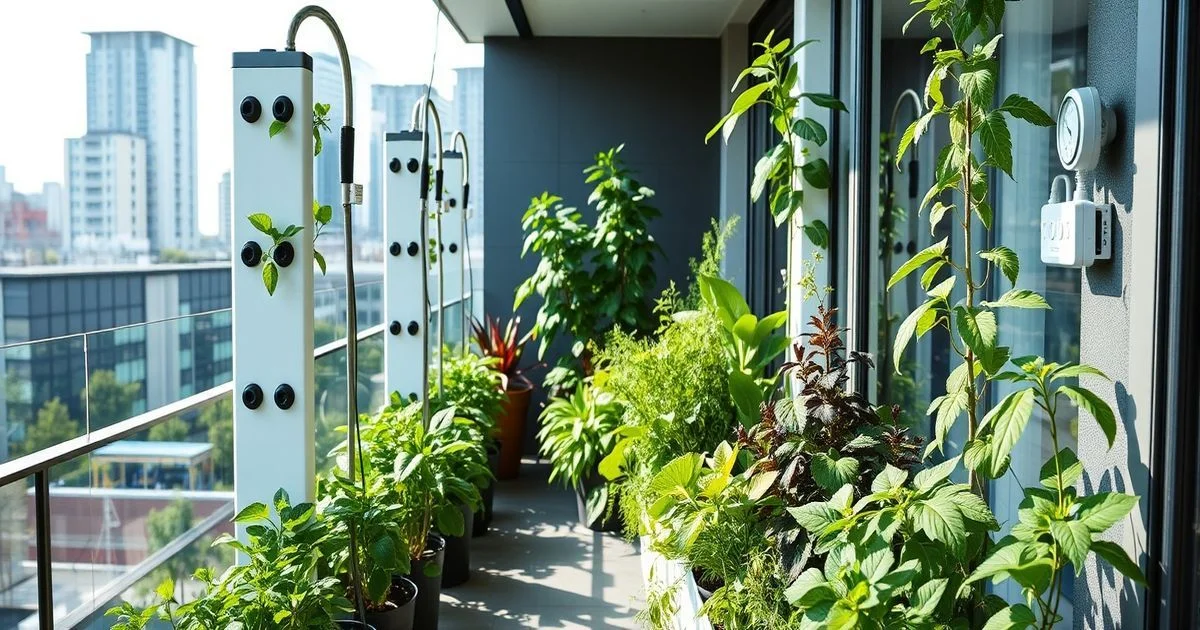
Basic Techniques for Sustainable Home Composting: A Tech Explainer
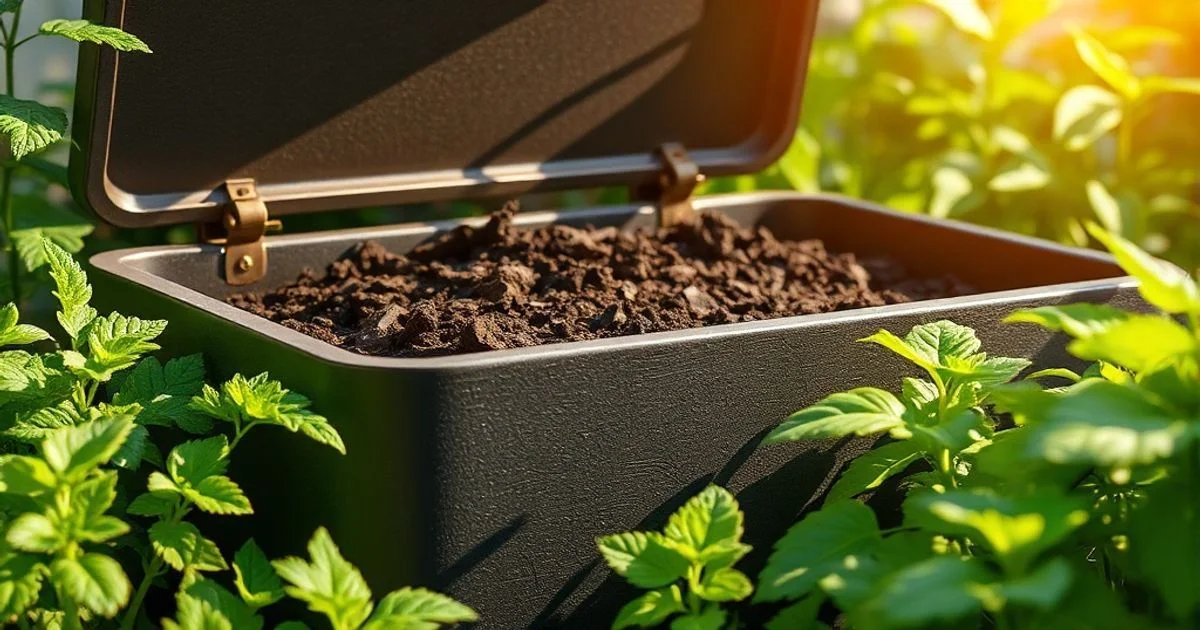
In an increasingly digital world where efficiency and resource optimization are paramount, the concept of waste management often gets overlooked, relegated to an analog afterthought. Yet, the principles of a circular economy apply just as much to our organic refuse as they do to our e-waste. This tech explainer delves into the basic techniques for sustainable home composting, demonstrating how this age-old practice is a sophisticated biological process crucial for environmental health and resource recovery. Embracing these sustainable practices allows us to transform kitchen scraps and yard waste into a valuable soil amendment, effectively closing a significant nutrient loop in our personal ecosystems.
- What is Home Composting, Digitally Defined?
- The Science Behind the Heap: A Biological Data Processing System
- Essential Hardware: Choosing Your Composting System
- Implementing Basic Techniques for Sustainable Home Composting
- Advanced Composting Strategies & Data Integration
- Benefits and ROI: The Value Proposition of Composting
- Overcoming Challenges: Mitigating Risk in Your Composting Project
- The Future of Composting: Scaling Sustainable Practices
- Community Composting Initiatives: Distributed Processing Networks
- Industrial Composting Technologies: High-Throughput Processing
- Policy and Incentives for Home Composting: System-Level Integration
- Integration with Smart Home Systems: The Connected Ecosystem
- Closed-Loop Agriculture Models: Regenerative Systems
- Conclusion: Cultivating a Sustainable Digital Future with Basic Techniques for Sustainable Home Composting
- Frequently Asked Questions
- Further Reading & Resources
What is Home Composting, Digitally Defined?
Composting, at its core, is a controlled aerobic decomposition process that transforms organic matter into a stable, nutrient-rich material known as humus or compost. Think of it as a highly efficient, distributed biological computation system. Instead of discarded code or outdated hardware, the inputs are organic "data packets" – fruit peels, vegetable scraps, coffee grounds, and leaves. These inputs are processed by a complex "algorithm" of microorganisms (bacteria, fungi, actinomycetes) that break them down, releasing heat, carbon dioxide, and water, eventually yielding a valuable output: compost.
The relevance of this biological data processing system in our tech-centric lives is profound. Globally, an estimated 1.3 billion tons of food are wasted annually, representing approximately one-third of all food produced for human consumption. In the United States alone, food waste accounts for about 30-40% of the food supply, with much of it ending up in landfills. When organic matter decomposes anaerobically (without oxygen) in landfills, it produces methane (CH₄), a greenhouse gas approximately 25 times more potent than carbon dioxide over a 100-year period. Home composting directly mitigates this environmental burden by diverting organic waste from landfills, thereby reducing methane emissions and sequestering carbon in healthy soil. It's a localized, highly impactful distributed ledger for nutrient cycling. For a broader understanding of global environmental challenges, you might read about the Urgent Climate Warning: Antarctic Ice Melt Accelerates.
The Composting Ecosystem: A Micro-Biome Analogy
Within your compost pile, a dynamic ecosystem thrives, mirroring the intricate networks we design in software or hardware architectures. Macroorganisms, such as earthworms, beetles, and mites, act as the initial "pre-processors," shredding larger pieces of organic material and creating channels for aeration. They are the physical layer, breaking down chunks into manageable units. The true workhorses, however, are the microorganisms:
- Bacteria: These are the primary decomposers, especially thermophilic (heat-loving) bacteria that thrive at high temperatures (55-65°C / 130-150°F) during the active phase of composting. They function like high-throughput parallel processors, rapidly consuming organic compounds.
- Fungi: These organisms specialize in breaking down tougher, woody materials like cellulose and lignin that bacteria might struggle with. They form mycelial networks, analogous to data pathways, that spread through the pile.
- Actinomycetes: These are filamentous bacteria that contribute to the earthy smell of healthy soil and compost. They work on more resistant materials and represent a specialized processing unit for complex polymers.
Together, these biological agents transform complex organic molecules into simpler, stable compounds, enriching the final compost product. This entire process is a prime example of decentralized biological computing, where each component plays a vital, synergistic role.
The Science Behind the Heap: A Biological Data Processing System
To optimize your composting "system," understanding its fundamental biological and chemical parameters is crucial. Just as a server needs specific environmental controls for peak performance, your compost pile requires the right balance of inputs to facilitate efficient decomposition.
Carbon-to-Nitrogen (C:N) Ratio: The Algorithmic Input Balance
The C:N ratio is arguably the most critical parameter in composting, acting as the primary input variable for the microbial "algorithm." Microorganisms require both carbon (for energy) and nitrogen (for protein synthesis and reproduction).
- "Brown" materials: These are rich in carbon and typically dry, coarse, and slow to decompose. Examples include dried leaves, straw, wood chips, sawdust, shredded paper, and cardboard. Their C:N ratio is high (e.g., sawdust is ~400:1).
- "Green" materials: These are rich in nitrogen, often moist, and decompose quickly. Examples include grass clippings, fresh plant trimmings, fruit and vegetable scraps, and coffee grounds. Their C:N ratio is low (e.g., grass clippings are ~19:1).
For optimal microbial activity, a C:N ratio of approximately 25-30 parts carbon to 1 part nitrogen (25-30:1) is ideal. Too much carbon slows down decomposition; too much nitrogen can lead to ammonia odors as nitrogen is released as gas. Balancing these inputs is like calibrating the parameters for a machine learning model – slight adjustments can yield vastly different results.
Moisture Content: The Hydration Protocol for Microbial Activity
Water is essential for microbial life and for facilitating the transport of nutrients. The compost pile should be consistently moist, like a "wrung-out sponge" – neither soggy nor dusty dry.
- Optimal range: 40-60% moisture content.
- Too dry: Microbial activity will slow down significantly or halt entirely. Think of it as a server overheating due to lack of cooling.
- Too wet: This displaces oxygen, leading to anaerobic conditions, which produce foul odors (like rotten eggs due to hydrogen sulfide) and can encourage undesirable pathogens. This is analogous to a system becoming saturated and unable to process data effectively.
Maintaining proper moisture often involves adding water during dry periods or adding dry "brown" materials if the pile becomes too wet.
Aeration: Ensuring Optimal Oxygen Flow for Aerobic Processes
Composting is primarily an aerobic process, meaning it requires oxygen. Oxygen is consumed by the microorganisms as they break down organic matter.
- Lack of oxygen: Leads to anaerobic decomposition, characterized by unpleasant odors and slower processing times.
- Sufficient oxygen: Promotes rapid decomposition, higher temperatures (due to microbial respiration), and the production of an earthy-smelling compost.
Regular turning of the compost pile is the primary method for aeration. This physical act mixes the materials, distributes moisture and microorganisms, and introduces fresh air into the core of the pile. Specialized compost aerators or pitchforks can be used to achieve this.
Temperature: The Thermophilic Reaction Chamber
As microorganisms actively break down organic matter, they generate heat. This rise in temperature is a strong indicator of a healthy, active compost pile.
- Mesophilic stage: Initially, mesophilic (moderate-temperature loving) microorganisms are active, working at ambient temperatures.
- Thermophilic stage: As decomposition accelerates and sufficient heat is generated, thermophilic bacteria take over, thriving in temperatures between 55-65°C (130-150°F). These high temperatures are beneficial because they effectively kill most weed seeds, pathogens, and harmful bacteria, sterilizing the compost.
- Curing stage: After the hot phase subsides, the pile cools, and a diverse range of microorganisms and macroorganisms continue the slower, final breakdown and stabilization of the compost.
Monitoring temperature, perhaps with a compost thermometer (a simple sensor), can provide valuable feedback on the pile's activity level, much like monitoring CPU temperature in a server farm.
Essential Hardware: Choosing Your Composting System
Just as a developer chooses the right IDE or a sysadmin selects the appropriate server architecture, selecting the right composting system (hardware) is key to a successful operation. Each system offers distinct advantages tailored to different scales, inputs, and user preferences.
Traditional Bins: The Robust On-Premise Solution
Traditional composting bins are arguably the most common and versatile "hardware" for home composting. They range from simple wire mesh cylinders to elaborate multi-compartment wooden or plastic bins.
- Description: These systems usually consist of an open-bottom container that sits directly on the ground, allowing direct contact with soil microorganisms and earthworms, which helps inoculate the pile. They can be single-chambered or feature multiple compartments for different stages of decomposition (active, curing, finished). Materials often include recycled plastic, treated wood, or wire fencing.
- Best For: Larger yards, households generating moderate to high volumes of organic waste, and those comfortable with manual turning. They are excellent for composting a mix of kitchen scraps and significant amounts of yard waste (leaves, grass clippings, small branches).
- Mechanism: Decomposition occurs naturally as materials are added. Aeration is typically achieved by manually turning the pile with a pitchfork or aerator tool. The open design allows for good air circulation, provided the pile is turned regularly. The large volume capacity of many traditional bins allows for effective heat generation, facilitating thermophilic composting.
- Pros: Cost-effective, scalable, durable, allows for direct contact with the soil microbiome, can handle a wide variety of organic materials.
- Cons: Requires manual turning (physical effort), can be open to pests if not managed properly, may take longer to produce finished compost compared to tumblers if not actively managed.
Tumbler Composters: The Automated Batch Processor
Compost tumblers are enclosed, rotating drums mounted on a stand, designed for easier aeration and quicker decomposition.
- Description: These units are often made from sturdy, UV-resistant plastic, with a handle or crank mechanism that allows the entire drum to be rotated. Many models feature two separate compartments, enabling one batch to decompose while another is actively being filled. They are elevated off the ground, making them less accessible to rodents and other ground-dwelling pests.
- Best For: Smaller yards, urban environments, individuals seeking a more hands-off approach to turning, and those primarily composting kitchen scraps. They are particularly good for batch composting where materials are added at once and then left to decompose.
- Mechanism: The rotating drum design eliminates the need for manual turning with a pitchfork. A few turns every few days effectively mixes and aerates the pile. The enclosed nature helps retain heat and moisture, often accelerating the decomposition process compared to static piles.
- Pros: Easy to turn (less physical effort), generally faster decomposition due to consistent aeration and heat retention, pest-resistant, tidy and compact.
- Cons: Limited capacity compared to larger traditional bins, can be more expensive upfront, may dry out faster if not monitored, can sometimes become too heavy to turn if overloaded, materials may mat together if not mixed properly.
Worm Farms (Vermicomposting): The Living Data Centers
Vermicomposting utilizes specific species of earthworms, primarily Red Wigglers (Eisenia fetida), to break down organic waste. These systems are highly efficient for certain types of waste and excel at producing nutrient-rich "worm castings." If you're also interested in maximizing plant growth in limited indoor areas, explore our guide on How to Start a Sustainable Indoor Herb Garden at Home.
- Description: A worm farm, or vermicomposter, typically consists of stacked trays or a continuous flow bin. Bedding material (shredded newspaper, cardboard, coco coir) is placed in the bottom tray, and worms are introduced. Food scraps are then added to the top layer. As worms consume the food and bedding, they migrate upwards through holes in the trays, leaving behind nutrient-dense castings in the lower trays, which can then be harvested.
- Best For: Food scraps only (no yard waste or woody materials), indoor composting (apartments, basements), classrooms, and individuals seeking a high-quality soil amendment (worm castings) and "worm tea" (leachate). Ideal for smaller volumes of kitchen waste.
- Mechanism: Red Wigglers consume organic matter, digesting it and excreting castings, which are rich in microbial activity, enzymes, and plant-available nutrients. The worms aerate the system as they tunnel. The process is typically cooler than hot composting.
- Pros: Highly efficient for food scraps, produces exceptionally rich compost (castings), can be done indoors year-round, relatively odor-free if managed correctly, low maintenance once established.
- Cons: Cannot process woody materials, meat, dairy, or oily foods; requires specific worm species (not garden earthworms); sensitive to temperature fluctuations (ideal 13-25°C / 55-77°F); initial setup cost for the bin and worms.
Trench Composting: The Subterranean Cache
Trench composting is a simple, passive method where organic materials are buried directly into garden beds or trenches.
- Description: This technique involves digging a trench or a series of holes (12-18 inches deep) directly in the garden soil and burying food scraps or other organic materials. The soil is then replaced over the top.
- Best For: Small amounts of food scraps, integrating nutrients directly into garden beds, those seeking a very low-effort, "invisible" composting method.
- Mechanism: Decomposition occurs slowly and passively underground, driven by soil microorganisms and earthworms. Nutrients are released directly into the root zone of plants.
- Pros: Extremely simple, requires no specialized equipment, pest-resistant if buried deeply, directly feeds garden soil.
- Cons: Slow decomposition, cannot handle large volumes, not suitable for woody materials, can be labor-intensive to dig trenches if done frequently.
Choosing the right "hardware" depends on your specific needs, available space, volume of waste, and desired level of involvement. Each system offers a unique approach to the fundamental biological processing of organic matter.
Implementing Basic Techniques for Sustainable Home Composting
Once you've selected your composting system, the next step is to implement effective management techniques. Think of this as deploying and managing your composting "software" – a series of protocols and best practices to ensure optimal performance.
Site Selection: Optimizing Your Deployment Environment
Choosing the right location for your compost bin is critical for its success and your convenience.
- Shade: Position your bin in a partially shaded area. Direct, intense sunlight can dry out the pile too quickly, especially in tumblers, hindering microbial activity. Conversely, a completely shaded, damp spot might lead to excessive moisture and slower decomposition.
- Drainage: The area should have good drainage to prevent the base of the pile from becoming waterlogged, which can lead to anaerobic conditions and odors. If using a traditional bin, direct contact with soil helps drainage and allows soil microorganisms to colonize the pile.
- Accessibility: Place the bin close enough to your kitchen for easy transfer of scraps, but far enough from your home to avoid any potential odors (though a well-managed pile should smell earthy). Also, ensure easy access for turning, adding yard waste, and harvesting finished compost.
- Proximity to Water: Being near a water source (like a garden hose) makes it easier to add moisture to the pile during dry periods.
Layering: The Brown-Green Algorithmic Stack
Proper layering is fundamental to achieving the ideal C:N ratio and ensuring adequate air circulation. This isn't just throwing things in; it's a strategic "data input" sequence.
- Start with a Base Layer of Browns: Begin your compost pile with a 4-6 inch layer of coarse, carbon-rich material like chopped branches, straw, or dried leaves. This provides initial aeration and a stable foundation for the pile.
- Alternate Greens and Browns: Add layers of "green" (nitrogen-rich) materials, usually 2-4 inches thick, followed by "brown" (carbon-rich) materials, 4-6 inches thick. The goal is to maintain the roughly 2:1 brown-to-green volume ratio, which approximates the 25-30:1 C:N ratio.
- Bury Food Scraps: Always bury fresh food scraps in the middle of the pile or cover them with a layer of browns (leaves, soil, sawdust). This prevents attracting pests and helps contain odors.
- Chop Materials: Break down larger pieces of organic matter into smaller components (1-2 inches). This increases the surface area for microbial action, significantly accelerating decomposition. Think of it as pre-processing data for faster computation.
- Avoid Problematic Materials: Do NOT add meat, bones, dairy products, oily foods, pet waste, diseased plants, or chemically treated wood to your home compost. These can attract pests, create foul odors, introduce pathogens, or contaminate the compost.
Moisture Management: Calibrating Your Hydration Protocol
Maintaining the "wrung-out sponge" moisture consistency is paramount for an active compost pile.
- Check Regularly: Feel the compost pile periodically. If it feels dry and crumbly, it needs water. If it feels soggy and heavy, it's too wet.
- Add Water: If dry, thoroughly moisten the pile as you turn it. A garden hose with a spray nozzle works well. Aim to wet the entire pile, not just the surface.
- Add Dry Browns: If too wet, add more dry carbon-rich materials like shredded cardboard, newspaper, or straw. These will absorb excess moisture and help re-establish aeration. Turning the pile after adding dry materials is crucial for even distribution.
- Cover the Pile: In rainy climates, covering the pile (with a tarp or the lid of a tumbler) can prevent it from becoming waterlogged. In dry climates, covering helps retain moisture.
Aeration: Ensuring Optimal Oxygen Flow
Turning the compost pile is the most direct way to introduce oxygen and speed up decomposition.
- Frequency: For a hot, active compost pile, turn it every 2-3 days, or whenever the internal temperature starts to drop. For a slower, passive pile, turning every 1-2 weeks is sufficient. Tumbler composters should be turned 2-3 times per week.
- Technique: Use a pitchfork or a specialized compost aerator. When turning, aim to move the material from the outside edges of the pile into the center, and vice-versa, to ensure even decomposition and expose all materials to the high-heat core.
- Benefits: Turning not only provides oxygen but also mixes materials, distributes moisture and microorganisms evenly, and breaks up clumps that can lead to anaerobic pockets.
Troubleshooting Common Errors: Debugging Your Composter
Even with careful planning, issues can arise. Understanding how to "debug" your compost pile is key to maintaining its health.
- Problem: Foul Odors (Ammonia, Rotten Eggs)
- Cause: Too much nitrogen (greens), too much moisture, or insufficient aeration leading to anaerobic conditions.
- Solution: Add dry "brown" materials (straw, dry leaves, shredded newspaper) to absorb excess moisture and balance the C:N ratio. Turn the pile thoroughly to introduce oxygen.
- Problem: Attracting Pests (Rodents, Flies)
- Cause: Exposed food scraps, adding meat/dairy/oily foods, or an overly wet pile.
- Solution: Always bury food scraps deep within the pile or cover them with a thick layer of browns. Ensure your compost bin is pest-proof (especially for tumblers or enclosed bins). Avoid problematic food items.
- Problem: Pile Not Heating Up or Decomposing Slowly
- Cause: Insufficient nitrogen (greens), too dry, too small a pile, or lack of aeration.
- Solution: Add more nitrogen-rich "green" materials. Moisten the pile if dry. Ensure the pile is large enough to generate heat (minimum 3x3x3 feet for traditional piles). Turn the pile to introduce oxygen. Chop materials smaller.
- Problem: Compost is too Woody/Chunky
- Cause: Large pieces of woody material that are slow to break down.
- Solution: Shred or chop woody materials finely before adding them. Consider removing larger pieces and using them as mulch or adding them to a separate, slower compost pile.
By meticulously following these basic techniques for sustainable home composting, you can ensure your system runs smoothly, efficiently converting waste into a valuable resource, just like a well-optimized algorithm processes raw data into actionable insights.
Advanced Composting Strategies & Data Integration
For the tech-savvy individual, composting isn't just about diverting waste; it's an opportunity for optimization, data collection, and integration with modern technologies. Pushing the boundaries of traditional methods can enhance efficiency and provide deeper insights into the decomposition process.
IoT-Enabled Composting: Real-time Metrics
Imagine a compost bin that provides live feedback on its internal conditions, much like a server monitoring system. This is becoming a reality with IoT (Internet of Things) integration.
- Sensors: Tiny, robust sensors can be embedded within the compost pile to collect real-time data on critical parameters:
- Temperature: Tracking the thermophilic phase, indicating microbial activity and when to turn the pile.
- Moisture Content: Ensuring the "wrung-out sponge" consistency and alerting when water is needed or if the pile is too wet.
- Humidity: Providing an additional data point for overall moisture levels.
- pH Levels: While less common for home systems, pH sensors could monitor acidity/alkalinity, which impacts microbial diversity.
- Connectivity & Apps: Data from these sensors can be transmitted wirelessly (e.g., via Wi-Fi or Bluetooth) to a smartphone app or a cloud-based dashboard. This allows users to:
- Monitor progress remotely: Check the health of their compost pile without physically inspecting it.
- Receive alerts: Get notifications for ideal turning times, low moisture, or potential issues.
- Track C:N ratios: Some advanced apps could allow users to input the types of materials added and estimate the C:N ratio, guiding future additions.
- Optimize schedules: Based on data trends, the app could recommend personalized turning and watering schedules.
- Examples/Concepts: While widely available commercial products are still emerging, DIY smart composters using platforms like Raspberry Pi or Arduino are already being experimented with. Companies are also exploring integrated smart bins that blend traditional composting with intelligent monitoring, paving the way for data-driven composting decisions.
Biochar Integration: Enhancing Soil Micro-Architecture
Biochar is a form of charcoal produced by pyrolysis (heating biomass in the absence of oxygen). Its integration into composting represents a powerful synergy, enhancing both the composting process and the resulting soil amendment.
- What is Biochar? Biochar is highly porous carbon material that is stable for centuries in soil. It's not a fertilizer itself, but a soil conditioner.
- Benefits:
- Carbon Sequestration: Biochar stores carbon very stably, effectively removing it from the atmosphere.
- Water Retention: Its porous structure acts like a sponge, significantly improving the soil's water-holding capacity, reducing irrigation needs.
- Nutrient Retention: Biochar has a high cation exchange capacity (CEC), meaning it can hold onto nutrients and prevent them from leaching out of the soil.
- Microbial Habitat: The vast surface area and porous structure provide an ideal habitat for beneficial soil microorganisms, fostering a thriving soil microbiome.
- How to Incorporate it:
- During Composting: Adding crushed biochar to your compost pile (e.g., 5-10% by volume) allows it to become "charged" with nutrients and microbial life as the compost matures. The biochar acts as an inoculant and a long-term nutrient reservoir.
- After Composting: Once the compost is finished, mix the biochar-enriched compost into your garden soil. This creates a powerful, long-lasting soil amendment that improves soil structure, fertility, and resilience.
Hot Composting vs. Cold Composting: Speed vs. Simplicity
These two primary approaches to composting offer different trade-offs in terms of speed, labor, and pathogen destruction. Understanding them allows you to choose the "processing speed" that suits your needs.
-
Hot Composting:
- Process: Achieved by carefully balancing C:N ratios, maintaining optimal moisture, and regularly turning a large pile (minimum 3x3x3 feet). The goal is to generate and maintain internal temperatures of 55-65°C (130-150°F) for several days, turning the pile when temperatures drop.
- Pros: Very fast (can produce compost in 4-8 weeks), kills most weed seeds and pathogens due to high temperatures, can process larger volumes of waste quickly.
- Cons: Requires active management, more frequent turning, precise C:N balance, and a larger initial volume of materials.
- Analogy: High-performance computing – resource-intensive but delivers rapid results.
-
Cold Composting:
- Process: A passive, slower method where organic materials are simply piled up or placed in a bin and left to decompose naturally over time. It relies on ambient temperatures and slower-acting microorganisms.
- Pros: Very low effort, requires minimal management, can handle any amount of suitable organic material, doesn't require precise ratios.
- Cons: Very slow (can take 6 months to 2 years), does not reliably kill weed seeds or pathogens, may attract pests if not managed for covering food scraps.
- Analogy: Background processing – slow and steady, minimal resource allocation.
By exploring these advanced strategies, home composters can move beyond basic waste diversion to actively optimize their systems, leverage data, and enhance the ecological impact of their efforts.
Benefits and ROI: The Value Proposition of Composting
Composting isn't merely a feel-good environmental activity; it delivers tangible returns on investment (ROI) across ecological, economic, and horticultural dimensions. For the tech-savvy, this translates into optimized resource use and measurable positive impacts.
Environmental Impact: Reducing Our Digital Footprint's Analog Waste
The most immediate and significant benefit of home composting is its positive environmental footprint.
- Reduced Landfill Waste: Organic waste comprises a substantial portion of household trash. Data indicates that food scraps and yard trimmings account for 20-30% of what we throw away, representing the largest component of municipal solid waste in the U.S. By composting, you directly divert this material from landfills, reducing the volume of waste requiring disposal.
- Methane Reduction: When organic matter rots in oxygen-deprived landfills, it produces methane (CH₄), a potent greenhouse gas that contributes significantly to climate change. Composting, an aerobic process, largely avoids methane production, instead releasing primarily carbon dioxide (a less potent GHG) and harmless water vapor. This directly reduces your household's contribution to climate change.
- Carbon Sequestration: Finished compost is rich in stable organic carbon. When incorporated into soil, this carbon is sequestered, meaning it's stored in the soil rather than released into the atmosphere. Healthy soils with high organic matter content act as vital carbon sinks.
- Reduced Need for Transportation: Less waste going to landfills means fewer garbage trucks on the road, resulting in reduced fossil fuel consumption and associated emissions from waste transportation.
Economic Benefits: Optimizing Resource Expenditure
Composting also offers a compelling economic case, providing direct and indirect savings.
- Reduced Waste Collection Costs: In some municipalities, residents pay for waste collection based on volume or weight. Composting significantly reduces the amount of trash generated, potentially lowering your household's waste disposal bills.
- Reduced Need for Chemical Fertilizers: High-quality compost is a nutrient-rich soil amendment. By producing your own, you can drastically reduce or eliminate the need to purchase synthetic chemical fertilizers, which can be expensive and have negative environmental side effects. A study by the Rodale Institute found that organic systems, including composting, can match or exceed conventional yields while being more energy-efficient.
- Improved Soil Structure & Water Retention: Compost improves soil structure, making it more permeable and increasing its water-holding capacity. This means your garden soil will require less frequent irrigation, leading to savings on water bills, particularly in regions prone to drought. Less irrigation also translates to less energy used for pumping water.
- Enhanced Plant Health & Yields: Healthier soil grows healthier plants that are more resilient to pests and diseases. This can reduce the need for pesticides and improve crop yields, potentially saving money on produce if you grow your own food.
Garden Benefits: Empowering Your Ecosystem
For gardeners, the ROI of composting is immediately evident in the vitality of their plants and soil.
- Nutrient-Rich Soil Amendment: Compost is often referred to as "black gold" because it's packed with essential plant nutrients (nitrogen, phosphorus, potassium, and micronutrients) in a slow-release, plant-available form. It feeds the soil, which in turn feeds the plants.
- Suppressed Plant Diseases: Compost introduces a diverse array of beneficial microorganisms to the soil. These microbes compete with and can suppress soil-borne plant pathogens, leading to stronger, healthier plants naturally resistant to disease.
- Enhanced Biodiversity: A compost-amended garden becomes a richer habitat for earthworms, beneficial insects, and a complex web of microbial life, all of which contribute to a thriving, resilient ecosystem.
- Improved Soil Structure: Compost acts as a "glue" in sandy soils, helping them retain water and nutrients. In heavy clay soils, it helps break up compaction, improving drainage and aeration. This makes soil easier to work with and promotes robust root growth.
Personal Satisfaction: Closing the Loop and Sustainable Lifestyle
Beyond the quantifiable metrics, there's an immense personal satisfaction in composting. It's a tangible way to "close the loop" on your household's organic waste, transforming what was once trash into a valuable resource. It fosters a deeper connection to nature's cycles and reinforces a commitment to a sustainable, self-sufficient lifestyle, echoing the efficiency principles valued in the tech world.
Overcoming Challenges: Mitigating Risk in Your Composting Project
While the benefits are substantial, initiating a composting project can present a few common challenges. Recognizing these "bugs" in the system and knowing how to "patch" them ensures a smoother and more rewarding experience.
Pest Control: Securing Your Organic Assets
One of the most frequent concerns is attracting unwanted visitors like rodents, flies, or raccoons. This can be mitigated through proactive strategies.
- Proper Layering: Always bury food scraps deep within the compost pile, ideally at least 8-12 inches below the surface, and cover them with a generous layer of "brown" materials like leaves, straw, or soil. This makes food inaccessible and less attractive.
- Avoid Problematic Foods: Do not add meat, bones, dairy products, grease, or oily foods to your compost pile. These items are highly attractive to pests and decompose slowly, creating odors. For tech-savvy individuals, consider a dedicated food waste disposal system like a small, sealed digester or bokashi bin for these specific items if you wish to process them without a standard compost risk.
- Enclosed Bins: Use a compost bin with a secure lid and sides that prevent animal entry. Tumbler composters, with their elevated and sealed designs, are particularly effective at deterring pests. Wire mesh bins can be wrapped with hardware cloth to create a finer barrier if rodents are an issue.
- Maintain Activity: An active, hot compost pile (thermophilic composting) is less attractive to pests because the high temperatures break down food quickly and deter burrowing.
Odor Management: Calibrating Your Sensory Output
A well-managed compost pile should smell earthy and pleasant, like a forest floor. Foul odors signal an imbalance and require immediate debugging.
- Ammonia Smell: Indicates too much nitrogen (greens) and/or insufficient aeration.
- Solution: Add more carbon-rich "brown" materials (shredded cardboard, dry leaves, straw). Turn the pile vigorously to introduce oxygen.
- Rotten Egg or Sour Smell: Indicates anaerobic conditions due to excessive moisture and lack of oxygen.
- Solution: Turn the pile to aerate it thoroughly. Add dry "brown" materials to absorb excess moisture. If the pile is very wet, spread it out to dry slightly before re-piling.
- General Odor Prevention:
- Ensure the C:N ratio is balanced.
- Maintain the "wrung-out sponge" moisture level.
- Turn the pile regularly.
- Always bury fresh food scraps.
Space Considerations: Designing Your Composting Footprint
The amount of space available will influence your choice of composting system. Before starting, assess your available space and the volume of organic waste you anticipate generating, then select the "hardware" that fits your "deployment environment." For further tips on optimizing limited cultivation areas, see our Best Strategies for Home Gardening in Small Spaces.
- Small Spaces (Apartments, Balconies): Vermicomposting (worm bins) is an excellent choice as it can be done indoors or on a balcony, is compact, and processes food scraps efficiently without odors. Small tumbler composters are also an option for limited outdoor space.
- Medium Spaces (Small Yards): A single traditional bin or a larger tumbler composter can be suitable for a mix of kitchen and yard waste.
- Large Spaces (Ample Yards): Multiple traditional bins, a large three-bin system (for active, curing, and finished compost), or even large-scale static piles are feasible, allowing for processing significant volumes of yard waste.
Time Commitment: Balancing Active vs. Passive Processing
Composting can be as hands-on or hands-off as you desire, depending on your goals for speed and quality.
- Active/Hot Composting: Requires regular attention – daily or every-other-day turning, monitoring temperature and moisture, and careful balancing of inputs. This yields finished compost quickly (weeks to a few months).
- Passive/Cold Composting: Requires minimal effort – simply add materials as they accumulate. Decomposition is slow, taking anywhere from 6 months to 2 years, but requires virtually no active management.
- Vermicomposting: Low daily maintenance, but requires initial setup and occasional harvesting.
- Solution: Understand your time constraints and choose a method that aligns. Even with a busy schedule, a passive pile or a well-placed tumbler turned once a week can still significantly reduce waste.
Myth Busting: "Composting is Messy/Hard"
One pervasive "bug" is the misconception that composting is inherently messy, difficult, or smelly.
- Reality: A properly managed compost pile is clean, smells earthy, and integrates seamlessly into a sustainable lifestyle. The "difficulty" often stems from a lack of understanding of the basic principles (C:N, moisture, aeration), which are easily learned and applied.
- Tech Explainer Angle: Just as understanding the underlying architecture of a software system simplifies its use, grasping the fundamental biological processes of composting demystifies it, turning it from a chore into an efficient, elegant solution for waste management.
By anticipating these challenges and applying straightforward "debugging" techniques, you can ensure your home composting project remains a successful, low-friction operation, delivering consistent value.
The Future of Composting: Scaling Sustainable Practices
The trajectory of composting, much like any evolving technology, points towards greater efficiency, wider adoption, and integration into broader sustainable systems. For our tech-savvy audience, this means exploring how these basic techniques for sustainable home composting will scale and innovate.
Community Composting Initiatives: Distributed Processing Networks
As individual efforts grow, so does the potential for collective action. Community composting projects represent a scalable model for organic waste management, akin to distributed computing networks.
- Concept: Centralized composting sites where multiple households can contribute their organic waste. These sites are often managed by volunteers or local organizations, allowing for larger-scale processing that might not be feasible in every backyard.
- Benefits:
- Economies of Scale: More efficient processing of larger volumes of waste.
- Access for All: Provides composting options for apartment dwellers or those with limited space.
- Knowledge Sharing: Creates hubs for education and peer-to-peer learning.
- Local Food Systems: Finished compost can be used in community gardens, completing the local food cycle.
- Outlook: Expect to see more smart lockers for food waste drop-offs, mobile composting units, and app-driven tracking systems for community contributions.
Industrial Composting Technologies: High-Throughput Processing
Beyond home and community scales, industrial composting is advancing rapidly, utilizing sophisticated engineering to process vast amounts of organic waste from municipalities, commercial kitchens, and agricultural operations.
- In-Vessel Systems: These enclosed, controlled systems (tunnels, agitated bays) allow for precise management of temperature, moisture, and oxygen, significantly accelerating decomposition and ensuring pathogen destruction. They are essentially industrial-grade "black boxes" for biological processing.
- Aerated Static Piles: Large piles of organic waste are mechanically aerated using blowers and perforated pipes, eliminating the need for frequent turning. These systems often employ biofilters to manage odors.
- Outlook: Continued development in anaerobic digestion (which produces biogas as energy in addition to digestate), advanced sensor arrays for process control, and automation will make industrial composting even more efficient and sustainable, potentially feeding into smart energy grids.
Policy and Incentives for Home Composting: System-Level Integration
Government policies and incentives play a crucial role in accelerating the adoption of sustainable practices, including home composting.
- Waste Diversion Mandates: Many cities and states are implementing policies that ban organic waste from landfills, effectively making composting or separate collection mandatory. This acts as a powerful driver for change.
- Compost Giveback Programs: Some municipalities collect organic waste and return finished compost to residents, fostering a circular economy model.
- Rebates and Subsidies: Financial incentives for purchasing compost bins, educational workshops, or reduced waste collection fees for participating households can significantly lower barriers to entry for individuals.
- Outlook: Expect to see more integrated waste management systems where composting is not just encouraged but seamlessly integrated into municipal services, with data-driven targets for organic waste diversion.
Integration with Smart Home Systems: The Connected Ecosystem
As smart homes become more ubiquitous, integrating composting into a connected ecosystem is a logical next step.
- Food Waste Scanners: Imagine a kitchen device that scans food waste, suggests optimal composting conditions, or even directs it to an integrated smart composter.
- Automated Monitoring: As mentioned in advanced strategies, IoT sensors could feed data into a central smart home hub, providing insights into your compost's health alongside your energy consumption and security systems.
- Resource Management Dashboards: A future smart home dashboard could track your entire household's resource consumption and waste generation, including organic waste diverted through composting, providing a holistic view of your environmental impact.
Closed-Loop Agriculture Models: Regenerative Systems
The ultimate future of composting lies in its foundational role within closed-loop and regenerative agriculture systems.
- Farm-to-Table-to-Farm: Composting facilitates the return of nutrients from food waste back to the soil that grows new food, creating a truly circular system that minimizes external inputs and maximizes resource efficiency.
- Soil Health as Priority: Composting aligns perfectly with regenerative agriculture's focus on building healthy soil, enhancing biodiversity, and sequestering carbon – critical components for climate resilience and sustainable food production.
The evolution of composting from basic techniques for sustainable home composting to sophisticated, integrated systems reflects a broader societal shift towards valuing every resource and optimizing every process. It's a testament to how even the most ancient practices can be reimagined through a modern, data-driven lens to build a more sustainable future.
Conclusion: Cultivating a Sustainable Digital Future with Basic Techniques for Sustainable Home Composting
In an era defined by data streams and digital transformation, the tangible act of home composting stands as a powerful, yet elegant, counterpoint—a biological algorithm meticulously transforming organic "waste" into "black gold." We've explored the fundamental science, identified the optimal "hardware" for various needs, and detailed the essential "software protocols" for efficient decomposition. From balancing carbon and nitrogen like critical input parameters to troubleshooting common issues, the basic techniques for sustainable home composting are accessible, impactful, and rewarding.
Embracing this practice not only reduces your household's environmental footprint by diverting significant waste from landfills and mitigating potent methane emissions, but it also enriches your garden, fosters local biodiversity, and offers tangible economic benefits. Beyond the measurable ROI, there's an undeniable satisfaction in actively participating in nature's most fundamental cycle, closing the nutrient loop in your personal ecosystem. As we look towards a future of interconnected technologies and pressing environmental challenges, the principles of sustainable organic waste management will only grow in importance. By implementing these techniques, you're not just creating compost; you're cultivating a more resilient, resource-efficient, and ultimately, sustainable future, one healthy heap at a time.
Frequently Asked Questions
Q: What materials can I compost at home?
A: You can compost most fruit and vegetable scraps, coffee grounds, tea bags, eggshells, yard waste (leaves, grass clippings), shredded paper, and cardboard. Avoid meat, dairy, oily foods, and diseased plants.
Q: How often should I turn my compost pile?
A: For a hot, active pile, turn every 2-3 days, especially when temperatures drop. For a slower, passive pile, turning every 1-2 weeks is sufficient to ensure aeration.
Q: What should my compost pile smell like?
A: A healthy, active compost pile should smell earthy and pleasant, like forest soil. Foul odors (ammonia, rotten eggs) indicate an imbalance in moisture, aeration, or carbon-to-nitrogen ratio.