Bahamas' 'Cocaine Sharks': Scientists Blame Tourists for Trend
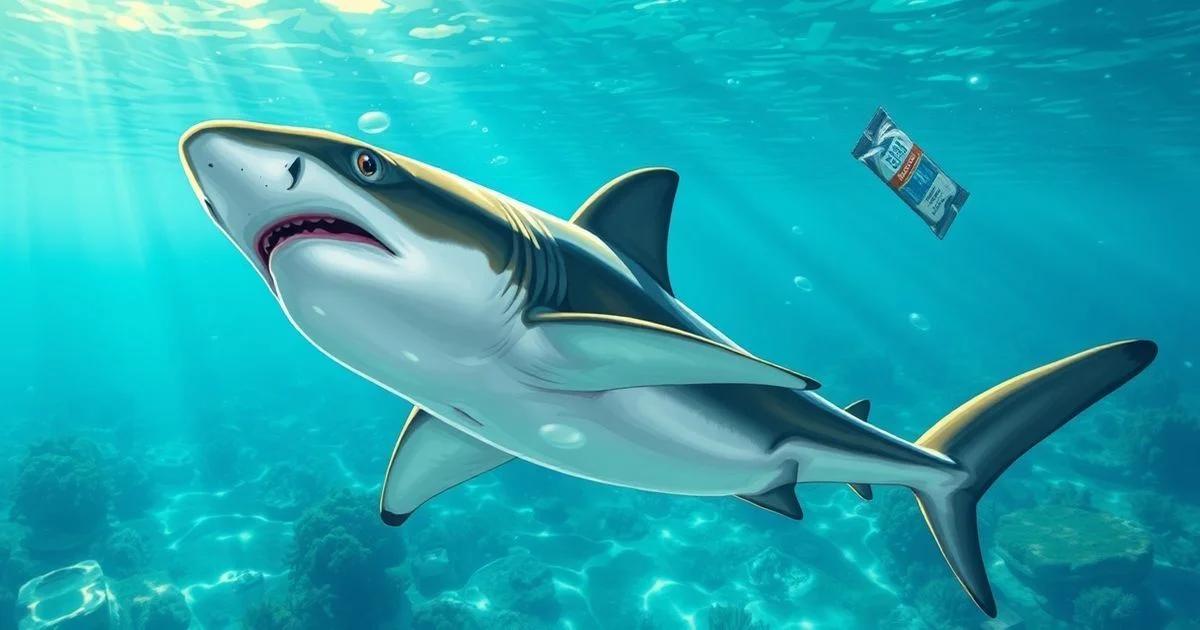
A groundbreaking study has revealed an alarming phenomenon in the seemingly pristine waters of the Bahamas: sharks are testing positive for illicit stimulants and pharmaceuticals. This troubling discovery, which has led to the moniker "'Cocaine Sharks' in Bahamas: Scientists Blame Tourists," suggests a disturbing intersection of human activity and marine ecosystems. Researchers indicate that pollution, particularly from tourism and wastewater discharge, is the likely culprit behind this trend, exposing these apex predators to substances like cocaine, caffeine, and painkillers. The presence of these unexpected contaminants in Bahamian sharks underscores a growing global concern about the widespread impact of human-derived chemicals on marine life, even in remote and idyllic environments.
- The Unsettling Discovery of Contaminants in Bahamian Sharks
- Human Activity and Tourism: Blaming Tourists for 'Cocaine Sharks' in Bahamas
- Potential Impacts on Shark Behavior and Health
- Broader Implications for Marine Ecosystems
- The Call for Action and Future Outlook
- Frequently Asked Questions
- Further Reading & Resources
The Unsettling Discovery of Contaminants in Bahamian Sharks
Recent scientific investigations have confirmed the presence of various substances, including cocaine, caffeine, acetaminophen, and diclofenac, in the blood samples of sharks inhabiting the coastal waters of Eleuthera, a remote island in the Bahamas. This study, published in the journal Environmental Pollution, marks the first recorded instance of caffeine and acetaminophen in sharks globally, and the initial detection of diclofenac and cocaine in sharks within the Bahamas. The findings highlight an emerging and concerning form of marine pollution.
Researchers analyzed blood samples from 85 sharks, encompassing species such as tiger, blacktip, Caribbean reef, Atlantic nurse, and lemon sharks. Out of these, 28 sharks across three species—Caribbean reef sharks, Atlantic nurse sharks, and lemon sharks—tested positive for at least one of the identified substances. Caffeine was the most commonly detected compound, found in multiple individuals across all three affected species. Notably, two sharks showed traces of cocaine. Acetaminophen (the active ingredient in Tylenol) and diclofenac (found in Voltaren) were also detected in several sharks.
The study's lead biologist, Natascha Wosnick from the Federal University of Paraná in Brazil, explained that these findings represent "contaminants of emerging concern (CECs) in marine environments, particularly in areas undergoing rapid urbanization and tourism-driven development". The presence of these substances confirms their bioavailability, meaning they are actively circulating within the marine environment and being absorbed by a wide array of local fauna, impacting the delicate balance of the ocean's food web.
Previous Research on Aquatic Drug Contamination
While this is the first documented case of cocaine in Bahamian sharks, similar discoveries have been made elsewhere. In 2024, a study on 13 sharpnose sharks near Rio de Janeiro, Brazil, found high levels of cocaine in their muscles and livers. Scientists in that instance suspected the drug originated from drainage from illicit labs, human sewage, or possibly from bales of cocaine lost or dumped overboard by drug smugglers. The concentration found in the Rio sharks was reported to be 100 times higher than in other marine animals.
These previous findings underscore that the issue of drug contamination in marine environments is not isolated. Across the globe, various pharmaceuticals and illicit drugs are increasingly recognized as contaminants in marine environments, particularly in areas experiencing rapid urbanization and tourism-driven development. Understanding how these pollutants spread and affect marine life is crucial for developing effective conservation strategies, particularly as we consider the complex dynamics of ocean currents and global climate patterns that can distribute such contaminants far and wide.
Human Activity and Tourism: Blaming Tourists for 'Cocaine Sharks' in Bahamas
Scientists largely attribute the presence of these chemicals in Bahamian sharks to human activities, specifically wastewater discharge and the disposal of drug packets. The study sites, located in south and central Eleuthera, are areas frequented by tourist cruise spots, diving excursions, and urban development. Researchers suggest that untreated wastewater from boats and general urban runoff may be significant contributors to these results.
Tracy Fanara, an environmental engineer and oceanographer from the University of Florida, emphasized the interconnectedness of coastal infrastructure, tourism, and marine food webs in such scenarios. She highlighted that everything humans use, manufacture, and ingest can ultimately end up in wastewater streams and natural water bodies, exposing aquatic life. The sheer volume of tourist traffic, coupled with often inadequate waste management infrastructure in popular destinations, exacerbates the problem, turning idyllic destinations into unwitting polluters.
Sources of Contamination:
- Wastewater Discharge: Untreated or inadequately treated sewage from urban areas and tourist vessels can carry a cocktail of pharmaceuticals and metabolites into the ocean. Modern wastewater treatment plants are often not equipped to filter out complex chemical compounds like those found in drugs, leading to their release into coastal waters.
- Discarded Drug Packaging: The Bahamas, due to its proximity to Florida and its location on Caribbean transshipment routes, a continuation of historical patterns seen in global maritime trade routes, is a natural conduit for drug smuggling from South America to the United States. Smugglers sometimes jettison bales of cocaine overboard, especially when pursued by authorities. Sharks, known for their inquisitive nature and powerful jaws, may bite into these packages to investigate, leading to direct exposure. One juvenile lemon shark in the Bahamas study, for instance, tested positive for cocaine, likely after biting into discarded drug packaging.
Potential Impacts on Shark Behavior and Health
The direct health effects of these drugs on marine life are not yet fully understood, and further research is desperately needed. However, scientists have identified differences in biological markers between contaminated and uncontaminated animals in the Bahamian study. Sharks with these substances in their bloodstream displayed significant alterations in systemic health markers, including abnormal levels of triglycerides, urea, and lactate. These biomarkers are typically associated with physiological stress and energy expenditure, indicating that the animals are struggling to process these foreign substances.
Possible Behavioral and Physiological Changes:
- Increased Stress and Energy Use: Exposure to these drugs might lead to higher stress and energy expenditure as the sharks' bodies work to detoxify their systems. This chronic stress can weaken immune responses and make sharks more susceptible to diseases.
- Altered Behavior: Stimulants like caffeine and cocaine could fundamentally alter shark behavior. Studies on other aquatic species have shown behavioral disruptions from pharmaceutical pollution, such as altered breeding cycles, increased isolation, and reduced caution, making them more vulnerable to predators or human interaction. While no definitive link has been made to "crazed" or "aggressive" behavior in sharks due to cocaine, the possibility of hyperactivity and erratic movements affecting hunting patterns and predator responses has been raised.
- Reproductive Issues: Pharmaceutical pollution, including hormones from birth control pills, can cause reproductive issues and even lead to male fish developing female egg cells, threatening population viability.
- Bioaccumulation: As apex predators, sharks consume prey that may also be exposed to these chemicals. This process, known as bioaccumulation, can lead to increasing concentrations of contaminants higher up the food chain, affecting the entire ecosystem, including organisms further up the trophic levels, and potentially humans who consume contaminated seafood.
While it remains unclear if these shifts lead to long-term health decline or widespread population impacts, the research team cautioned that drug ingestion might be modifying the sharks' behavior and overall fitness, potentially compromising their survival in the wild.
Broader Implications for Marine Ecosystems
The discovery of drugs in sharks in the Bahamas serves as a stark reminder of the pervasive nature of human pollution, even in seemingly untouched marine environments. This isn't just about the immediate effects on sharks; it's a "lens on how integrated our ecosystems are with our traffic, our boats, our wastewater, and our everyday habits," as one expert put it. The ocean is not an infinite dumping ground, and the consequences of our actions inevitably circle back.
Pharmaceuticals and illicit drugs are increasingly recognized as contaminants of emerging concern (CECs). These compounds pose risks not only to marine biodiversity but also to human health through seafood consumption and recreational water exposure. The lack of comprehensive understanding regarding how these CECs interact with the unique physiology and detoxification systems of elasmobranchs (sharks and rays) represents a significant barrier to assessing ecological risks and developing effective conservation strategies. The problem is complex, as these chemicals often exist in a cocktail of other pollutants, creating synergistic effects that are difficult to predict or mitigate.
The issue extends beyond the Bahamas. Pharmaceutical pollution is widespread across the world's waterways, with thousands of tons of antibiotics and other drugs released into rivers and oceans annually. These contaminants can lead to reduced microbial diversity, disrupt hormonal systems in fish and other aquatic life, and can accumulate within the food chain, affecting birds, mammals, and potentially humans who consume contaminated seafood. The challenges faced by the Bahamas are indicative of a global crisis of chemical pollution, as seen in the recent report on Pakistan as the world's most polluted nation, underscoring the urgency for global environmental action.
The Call for Action and Future Outlook
The findings demand urgent attention to marine pollution. Improved wastewater management from tourism activities, better regulation of pharmaceutical waste disposal, and a broader look at how human-derived pollution affects the natural ecosystem are crucial steps. This requires a shift from reactive clean-up efforts to proactive prevention strategies, emphasizing source reduction and responsible consumption.
Key areas for intervention include:
- Stricter Wastewater Treatment: Investing in advanced wastewater treatment plants capable of filtering out complex chemical compounds, such as tertiary treatment processes or membrane bioreactors, is essential. This is particularly critical in areas with high tourism and urban development, where the volume of effluent is substantial.
- Responsible Drug Disposal: Public education campaigns are needed to promote proper disposal of unused and expired medications. Instead of flushing them down toilets or throwing them in general waste, take-back programs and secure disposal sites must be widely available and publicized, preventing them from entering the water system through landfills or sewage.
- Enhanced Monitoring and Research: Continued monitoring of marine environments for CECs and further research into their long-term effects on marine species, including their behavior, physiology, and reproductive health, are critical. This also includes studying the potential for bioaccumulation and biomagnification up the food chain.
- International Cooperation: Given the transboundary nature of drug trafficking and marine pollution, international collaboration is vital to address these challenges effectively. This includes sharing best practices, coordinating enforcement efforts, and developing international treaties or agreements on marine pollution control.
- Tourism Industry Accountability: The tourism sector must implement more sustainable practices. This includes effective waste management, significantly reduced discharge of untreated wastewater from vessels, and supporting local infrastructure development for pollution control. Ecotourism initiatives that genuinely prioritize environmental protection should be encouraged and certified.
- Public Awareness and Consumer Choice: Educating the public about the environmental impact of their consumption habits, including pharmaceuticals and recreational drug use, can foster more responsible behavior. Consumers can also advocate for and support companies and policies that prioritize environmental stewardship.
The presence of "'Cocaine Sharks' in Bahamas: Scientists Blame Tourists" serves as a powerful, albeit sensational, indicator of a much larger and more insidious problem: the unchecked flow of human waste and contaminants into our oceans. This issue transcends sensational headlines, urging a re-evaluation of our environmental stewardship and the interconnectedness of human actions with the health of our planet's most vital ecosystems. Addressing this challenge requires a multi-faceted approach involving policy changes, technological advancements, and a collective shift in human behavior to protect marine life and, by extension, our own well-being.
Frequently Asked Questions
Q: What exactly does the term "'Cocaine Sharks'" refer to?
A: The term "'Cocaine Sharks'" refers to the alarming discovery by scientists that sharks in the Bahamas have tested positive for illicit drugs, including cocaine, in their systems. This moniker highlights a troubling intersection of human pollution and marine ecosystems.
Q: How are these sharks being exposed to illicit drugs and pharmaceuticals?
A: Scientists believe sharks are primarily exposed through two main pathways: discarded bales of drugs jettisoned by smugglers, which curious sharks may bite into, and through untreated wastewater from urban areas and tourist vessels that carries a cocktail of pharmaceuticals and metabolites into the ocean.
Q: What are the potential health and behavioral impacts of these drugs on sharks?
A: While direct long-term effects are still under investigation, studies indicate that sharks with these substances show signs of physiological stress, including altered levels of triglycerides, urea, and lactate. It's hypothesized that stimulants could also lead to altered behaviors, affecting hunting patterns, reproductive cycles, and overall survival rates.
Further Reading & Resources
- Environmental Pollution Journal - Study on Drug Contaminants in Sharks (example)
- National Geographic - How Drugs in Water Affect Aquatic Life (example)
- United Nations Office on Drugs and Crime (UNODC) - World Drug Report (example)
- Environmental Protection Agency (EPA) - Pharmaceuticals in Water (example)