The Middle East has been plunged into further turmoil following confirmed reports of a devastating incident where senior Iranian official Ali Larijani Killed along with son by IDF in a strike. This shocking development, occurring amidst an already escalating conflict, marks a significant moment in the complex and volatile regional dynamics, raising immediate concerns about potential retaliation and intensified hostilities. The death of Ali Larijani, a figure widely regarded as the de facto leader of Iran in recent months, is expected to have profound implications for Iran's political landscape and its relations with adversaries.
- The Strike: Key Details of the Alleged Assassination
- Who Was Ali Larijani? A Profile of Iran's De Facto Leader
- Escalation in the Region: The Context After Ali Larijani Killed along with son by IDF
- International Reactions and Geopolitical Ramifications
- The Larijani Family: A Political Dynasty
- Future of Iran's Leadership and Regional Dynamics
- Conclusion: An Uncertain Path Forward
- Frequently Asked Questions
- Further Reading & Resources
The Strike: Key Details of the Alleged Assassination
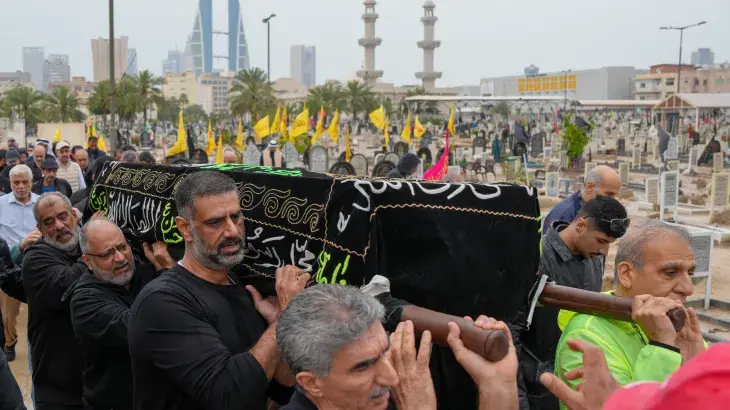
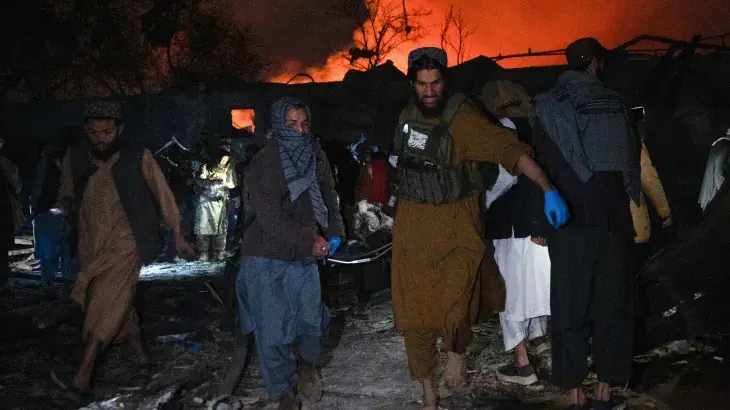
On Tuesday, March 17, 2026, news broke of a targeted Israeli airstrike that resulted in the death of Ali Larijani, then serving as the secretary of Iran's Supreme National Security Council. Israeli Defense Minister Israel Katz confirmed the elimination of the senior Iranian official, stating that Larijani was killed in an overnight operation. Reports indicate that the strike targeted a safe house in Tehran or its eastern outskirts where Larijani was present. Iran’s Supreme National Security Council later confirmed the deaths, specifying that Larijani's son, Morteza Larijani, and Alireza Bayat, the head of his office, were also killed in the attack, along with several guards.
This operation also saw the killing of Gholamreza Soleimani, the commander of Iran's Basij paramilitary force, and his deputy Qasim Qureshi, in a separate but related Israeli strike. The IDF stated that Soleimani had led the Basij unit for six years, a force instrumental in suppressing protests within Iran. The timing of these strikes is particularly notable, with reports suggesting that the meeting attended by Basij commanders and Larijani’s deputy was held to discuss confronting potential protests during the Persian festival of Chaharshanbeh Suri. Israeli officials hinted that valuable intelligence from Tehran residents aided in enabling the Larijani strike, noting his recent public appearances made him identifiable.
Who Was Ali Larijani? A Profile of Iran's De Facto Leader
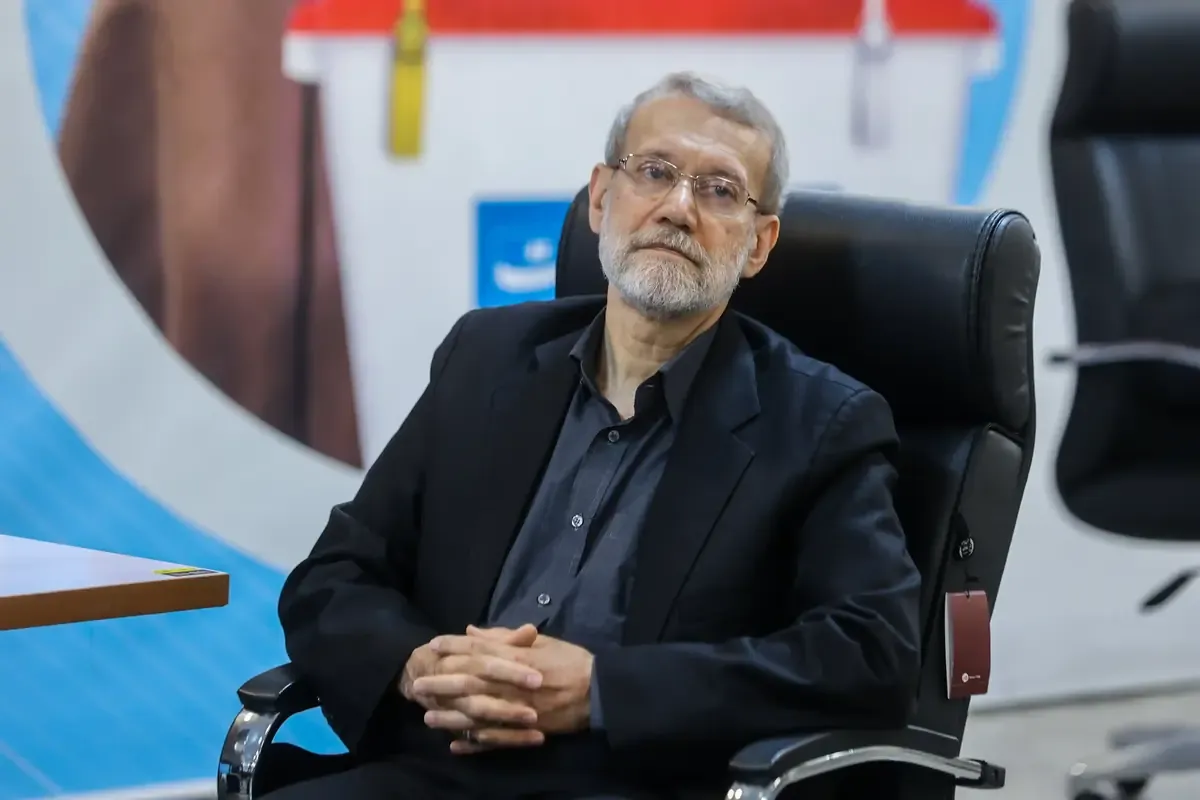
Ali Ardashir Larijani, born on June 3, 1958, in Najaf, Iraq, was a towering figure in Iranian politics and military affairs for decades. Hailing from a prominent clerical family, his lineage deeply intertwined him with Iran's religious and political establishment. Larijani pursued studies in Western philosophy at the University of Tehran before rising through the ranks of the Islamic Revolutionary Guard Corps (IRGC), which he joined in 1981.
His extensive political career saw him hold numerous significant roles within the Islamic Republic. He served twice as the secretary of the Supreme National Security Council (SNSC), first from 2005 to 2007 and then again from August 2025 until his assassination in March 2026. In this capacity, Larijani was effectively Iran's chief negotiator on critical national security issues, including its controversial nuclear program. Furthermore, he held the influential position of Speaker of the Islamic Consultative Assembly (parliament) from 2008 to 2020.
Following the death of Supreme Leader Ayatollah Ali Khamenei on February 28, 2026, in earlier US-Israeli strikes, Ali Larijani was widely considered to be the de facto leader of Iran until his own demise. His unique position stemmed from his deep ties to both the clerical establishment and the military and political elite. Larijani was also known for personally overseeing the regime's brutal response to protests in January 2026, which reportedly resulted in the massacre of thousands of Iranian demonstrators. He was considered a pragmatic conservative, capable of balancing hardline policies with strategic decision-making and had been involved in quiet efforts to reopen channels with Washington even as tensions escalated.
Escalation in the Region: The Context After Ali Larijani Killed along with son by IDF
The killing of Ali Larijani and his son comes amid an intensifying confrontation that has seen a significant escalation in the US-Israeli war against Iran. This period of heightened hostilities began with the assassination of Supreme Leader Ali Khamenei in late February 2026, an event that profoundly reshaped Iran's leadership structure and ignited a broader conflict in the Middle East. The ongoing conflict has seen both the US and Israel engaging in military operations targeting Iranian leadership, military infrastructure, and affiliated groups across multiple fronts. For more insights into the region's volatility, consider reading about the Iran Vs Israel War: Escalation and Global Repercussions and how the IRAN WAR Escalates: Regional Conflict and Global Fallout.
Israel's stated rationale for targeting Larijani was to undermine the Iranian regime, with Defense Minister Israel Katz explicitly confirming his death and stating that such actions are part of an expanding campaign. Prime Minister Benjamin Netanyahu articulated a hope that these actions would provide the Iranian people with an opportunity to remove the regime. The Israeli Air Force has carried out strikes based on intelligence, aiming to significantly disrupt Iran's security command-and-control structures.
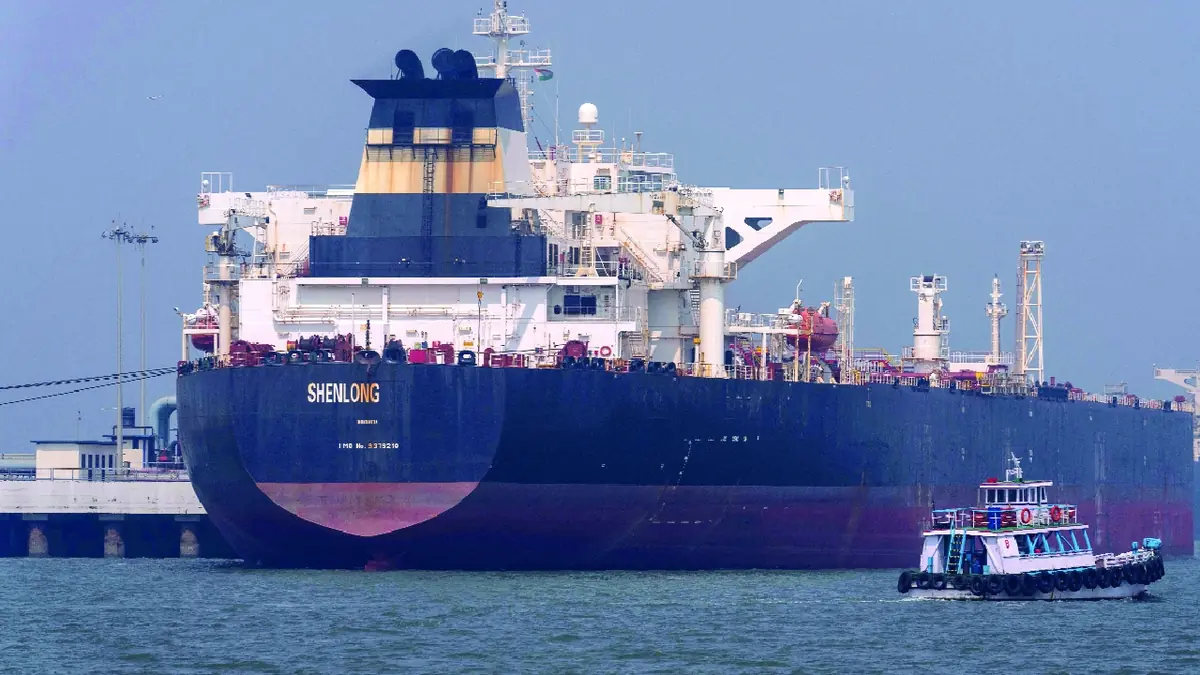
Iranian officials, for their part, have expressed a rejection of de-escalation efforts, signalling a hardening of attitudes within Tehran. The current conflict has also impacted vital international waterways, with the Strait of Hormuz facing disruption and global oil prices surging. The environment is one of extreme tension, with calls from the US President Donald Trump for allied countries to help secure the strait, a request that has met with a cool response from some. The strikes against Larijani and other senior figures, including Gholamreza Soleimani, are seen as further blows to a regime already reeling from significant losses.
International Reactions and Geopolitical Ramifications
The assassination of Ali Larijani, coupled with that of his son and other key Iranian figures, has elicited a range of reactions internationally and is poised to generate significant geopolitical ramifications. While Israel has publicly claimed responsibility and justified its actions as part of a campaign to weaken the Iranian regime, the international community watches with bated breath for Iran's formal response. The lack of immediate confirmation from Iranian authorities on some aspects initially, alongside Larijani's social media posts after the claimed strike, created initial uncertainty about his status. However, official Iranian confirmations soon followed, leaving no doubt about the gravity of the event.
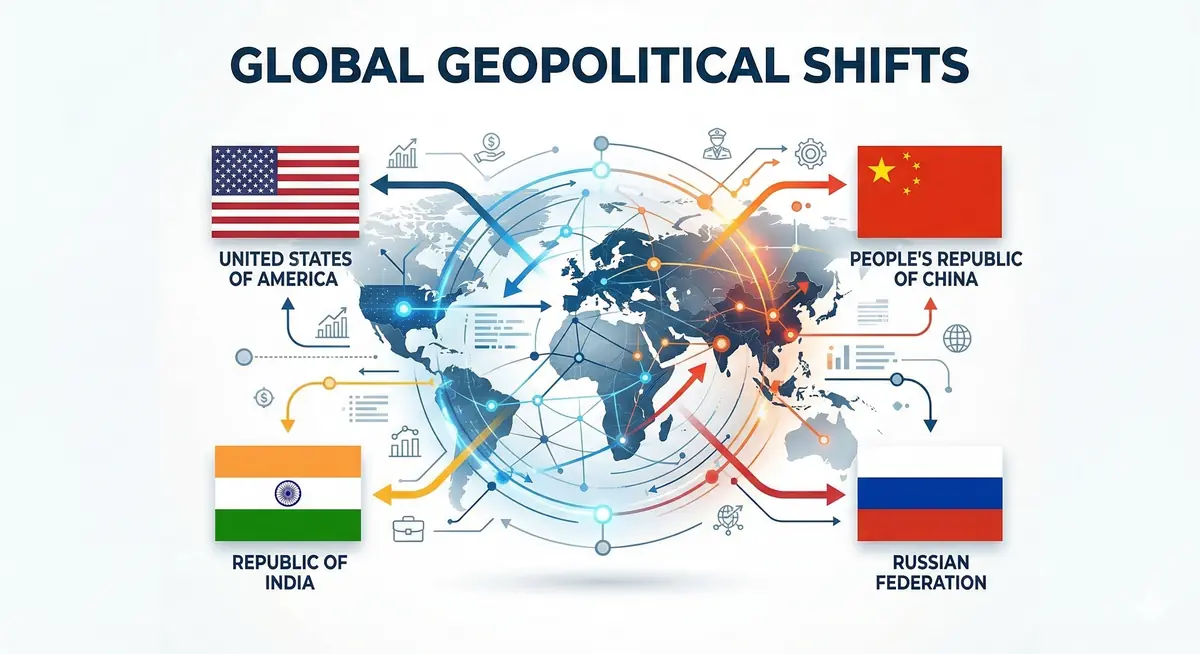
The immediate concern revolves around the potential for further escalation in the already volatile Middle East. The elimination of such a high-ranking and influential figure is likely to be perceived by Iran as a severe provocation, potentially leading to retaliatory actions that could broaden the scope of the conflict. Regional stability, already fragile, faces an increased threat, and international diplomatic efforts to de-escalate tensions will be severely tested. These events contribute to the broader narrative of Unpacking Global Geopolitical Shifts: A New Era Unfolds.
Analysts suggest that Larijani's death, along with others, removes key pillars of the Iranian regime, potentially disrupting its ability to mount a coherent military response to the US-Israeli onslaught. However, the Islamic Republic is known for its resilience and ability to absorb the loss of leaders, with power often shifting rather than disappearing entirely. The involvement of intelligence from Tehran residents in facilitating the strike, as reported by Israeli officials, also highlights the internal dynamics and potential fissures within Iran, which could further complicate the situation. The global community will be closely monitoring statements from major powers and international bodies, as well as any shifts in regional alliances and military postures, in the wake of this critical development.
The Larijani Family: A Political Dynasty
Ali Larijani was a central figure in one of Iran's most distinguished and politically influential families, often likened by media outlets to the "Kennedys of Iran" due to their extensive reach across various branches of the political system. This analogy underscores the significant power and authority wielded by multiple members of the Larijani family within the Islamic Republic.
Ali Larijani was one of five brothers, all of whom have held prominent positions in Iran's government, judiciary, and academic sectors. His brothers include:
-
Sadiq Larijani: A prominent ayatollah who has served as the head of Iran's judiciary and on deliberative bodies reserved for high-ranking clerics, such as the Council of Guardians and the Assembly of Experts.
-
Mohammad-Javad Larijani: A senior diplomat and political analyst who closely advised the late Supreme Leader Ali Khamenei on foreign affairs.
-
Bagher Larijani: A leading medical professional and academic figure, serving as a faculty member of Tehran University of Medical Sciences.
-
Fazel Larijani: Iran's former cultural attaché in Ottawa.
Ali Larijani was married to Farideh Motahhari, the daughter of Ayatollah Morteza Motahhari, a well-known cleric and influential figure in the early years of the Islamic Republic, further cementing his ties within the country's political and religious establishment. Together, they had four children: Morteza Larijani, Fatemeh Ardeshir-Larijani, Mohammad Reza Larijani, and Sarah Larijani. His son, Morteza, tragically died alongside his father in the Israeli airstrike. His daughter, Fatemeh Ardeshir-Larijani, pursued a medical career, studying and practicing as a specialized cancer doctor in the United States before reportedly returning to Iran. This extensive familial network provided Ali Larijani with a unique depth of influence and a broad understanding of the intricate power structures within Iran.
Future of Iran's Leadership and Regional Dynamics
The assassination of Ali Larijani, a figure widely perceived as the de facto leader after the death of Supreme Leader Ali Khamenei, creates a significant vacuum at the pinnacle of Iran's power structure. Larijani's unique blend of experience in security, diplomacy, and political leadership made him an indispensable figure for managing crises and navigating complex internal and external challenges. His absence will undoubtedly impact the country's decision-making processes and its strategic responses in the ongoing conflict.
With the late Supreme Leader Khamenei's son, Mojtaba Khamenei, having been designated as the new Supreme Leader, the dynamics within the Iranian leadership are shifting. While Mojtaba is now formally at the helm, Larijani was reportedly managing many of the country's affairs in the background, particularly given his close relationship with the late Khamenei and his deep understanding of how power was exercised at the top. The Islamic Republic, however, is structured to absorb the loss of leaders, suggesting that while power may shift, the system itself is designed for continuity.
Operationally, the short-term impact of Larijani's death might be limited, but politically, it could reinforce the narrative within Tehran that the conflict is an existential struggle aimed at dismantling the leadership itself. This hardening of attitudes could further complicate any future prospects for de-escalation or diplomatic engagement. Larijani was one of the few figures capable of operating within the security state while also engaging in external negotiations, shaping Iran's nuclear posture, and maintaining communication channels with the outside world, even during periods of intense conflict. His pragmatic approach to managing escalation, knowing where to push and where to stop, will be a significant loss for Iran's foreign policy apparatus. The coming months will reveal how Iran's new leadership navigates these unprecedented challenges and whether Larijani's successors can fill the void left by his extensive experience and influence.
Conclusion: An Uncertain Path Forward
The confirmed reports that Ali Larijani Killed along with son by IDF strikes mark a pivotal and dangerous turn in the already volatile Middle East. This incident not only decapitates a significant portion of Iran's senior leadership, including a figure considered its de facto leader, but also underscores the relentless and expanding nature of the regional conflict. The loss of Ali Larijani, a seasoned politician and strategist deeply entrenched in both internal and external affairs, creates a void that will be challenging to fill within the Iranian power structure.
While Iran's political system is designed for resilience, the assassinations are expected to fuel further retaliatory actions and could significantly escalate tensions across the region, impacting international shipping lanes and global oil markets. The true implications of this event will unfold in the coming days and weeks as Iran calibrates its response and the international community grapples with an increasingly unpredictable geopolitical landscape. The death of Ali Larijani Killed along with son by IDF serves as a stark reminder of the high stakes and profound human cost of the ongoing hostilities.
Frequently Asked Questions
Q: Who was Ali Larijani and what was his significance in Iranian politics?
A: Ali Larijani was a highly influential Iranian politician, having served as Speaker of Parliament and twice as Secretary of the Supreme National Security Council. After the death of Supreme Leader Ali Khamenei, he was widely considered Iran's de facto leader, playing a critical role in national security and foreign policy decisions.
Q: What are the immediate implications of Ali Larijani's assassination?
A: His death significantly escalates tensions in the Middle East, potentially leading to Iranian retaliation against Israel or its allies. It creates a leadership vacuum within Iran's highest echelons and is expected to disrupt the country's strategic decision-making, further destabilizing regional security and impacting global oil markets.
Q: How has the conflict between Iran, the US, and Israel escalated recently?
A: This assassination is the latest in a series of highly destabilizing events, following the death of Supreme Leader Ali Khamenei and other high-ranking officials. It marks a period of intensified US-Israeli military operations targeting Iranian leadership and infrastructure, signaling a broadening and more aggressive phase of the regional conflict.