In a dramatic escalation of ongoing cross-border tensions, Afghanistan's Taliban government has accused Pakistan of carrying out an airstrike on a drug rehabilitation hospital in Kabul, claiming the attack resulted in approximately 400 Killed in Pakistan Strike on Afghanistan Kabul, with another 250 injured. The alleged strike, which occurred around 9:00 PM local time on Monday, March 16, 2026, on the Omid Addiction Treatment Hospital in Kabul, has sparked international outrage and deep concern over regional stability. While Afghanistan's deputy government spokesperson, Hamdullah Fitrat, stated that large sections of the 2,000-bed facility were destroyed and that the death toll had "so far" reached 400 people, Pakistan has vehemently denied targeting any civilian sites, asserting its military operations were precisely aimed at "military installations and terrorist support infrastructure". This incident marks a significant and tragic chapter in the increasingly volatile relationship between the two neighboring countries, reflecting wider trends in global geopolitical shifts.
- Escalating Tensions: The 400 Killed in Pakistan Strike on Afghanistan Kabul
- Background to the Conflict: A History of Cross-Border Disputes
- The Alleged Target: Omid Addiction Treatment Hospital
- International Reaction and Mediation Efforts
- Humanitarian Impact and Future Outlook
- Conclusion
- Frequently Asked Questions
- Further Reading & Resources
Escalating Tensions: The 400 Killed in Pakistan Strike on Afghanistan Kabul
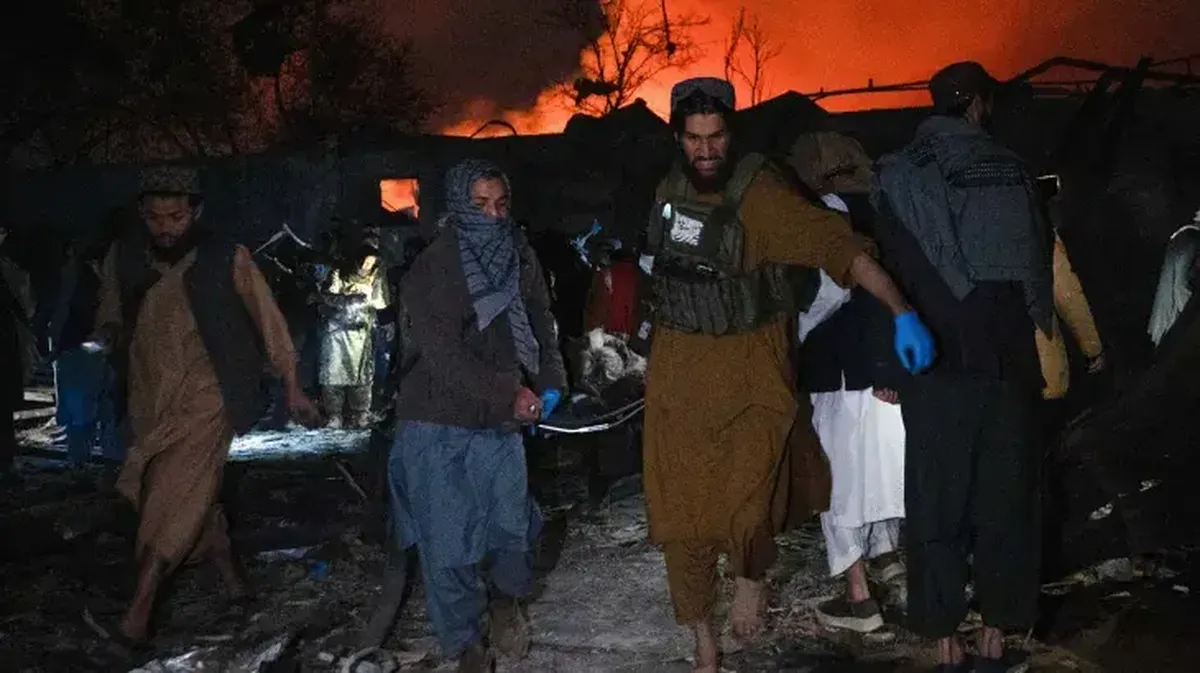
The recent Pakistani airstrike in Afghanistan's capital, Kabul, has been condemned by the Taliban-led Afghan government as a "crime against humanity". According to Taliban officials, the attack specifically targeted the Omid Addiction Treatment Hospital in Police District 9, leading to the destruction of significant portions of the facility. Deputy spokesperson Hamdullah Fitrat reported that the casualties primarily included patients undergoing treatment at the hospital, with rescue teams reportedly struggling to control fires and recover bodies from the rubble.
Pakistan, however, has rejected these accusations as "false and misleading". Islamabad maintains that its strikes were intelligence-based and designed to target militant camps and hideouts linked to groups like the Pakistani Taliban (TTP) and Islamic State – Khorasan Province (ISIS–K), which it accuses of using Afghan soil to launch attacks within Pakistan. Pakistan's Ministry of Information stated that Monday night's operations "precisely targeted military installations and terrorist support infrastructure, including technical equipment storage and ammunition storage of Afghan Taliban" as well as Afghanistan-based Pakistani militants in Kabul. The conflicting narratives highlight the deep mistrust and ongoing diplomatic impasse between the two nations, reminiscent of other escalating regional conflicts.
Background to the Conflict: A History of Cross-Border Disputes
The latest series of clashes and airstrikes between Afghanistan and Pakistan represents an intensifying phase in a long-standing and complex conflict. Tensions have been simmering for years, primarily stemming from Pakistan's accusations that Afghanistan's Taliban government harbors Tehrik-e-Taliban Pakistan (TTP) militants who carry out attacks on Pakistani soil. Afghanistan consistently denies these charges, asserting it does not allow its territory to be used against other countries and views TTP as Pakistan's internal issue.
A Timeline of Recent Escalations
Previous incidents illustrate the volatile nature of the border:
- December 2024: Pakistani airstrikes in Paktika province reportedly killed 46 people, mostly women and children, according to a Taliban official. Pakistan claimed these operations targeted insurgents, while the TTP alleged that "unarmed refugees" were among the casualties.
- October 2025: Pakistan carried out "Operation Khyber Storm" with airstrikes in Kabul, Khost, Jalalabad, and Paktika, targeting the TTP. The UN Assistance Mission in Afghanistan (UNAMA) reported that 37 civilians had died and 425 others were injured due to cross-border violence during that week in various provinces. Afghanistan retaliated with attacks on Pakistani military posts along the border.
- November 2025: Air strikes attributed to Pakistan in Khost, Paktika, and Kunar provinces allegedly killed 10 people, including nine children and one woman, according to Taliban spokesman Zabihullah Mujahid. These strikes followed a suicide attack on a security compound in Pakistan's Peshawar.
The current wave of severe fighting began in late February 2026, following Pakistani airstrikes in Afghanistan's Nangarhar, Paktika, and Khost provinces. These strikes were described by Pakistan as retaliation for recent terrorist attacks in Pakistan, including incidents in Islamabad, Bajaur, and Bannu. Afghanistan responded with cross-border attacks, further escalating the conflict. These events underscore a pattern of accusation, denial, and retaliatory actions that have repeatedly strained diplomatic relations, with Kabul frequently summoning Pakistani ambassadors to protest alleged violations of Afghan sovereignty.
Failed Ceasefires and an "Open War" Declaration
A ceasefire brokered by Qatar in October 2025, after fighting that had killed dozens of soldiers, civilians, and suspected militants, broke down in February 2026. Since then, Pakistan has declared an "open war" against Afghanistan, intensifying concerns about regional stability. This declaration marked a significant shift, signaling a more aggressive stance from Islamabad in dealing with cross-border militancy. The ongoing conflict has seen both sides claiming to inflict heavy casualties on the other, though figures often vary widely and are difficult to independently verify.
The Alleged Target: Omid Addiction Treatment Hospital
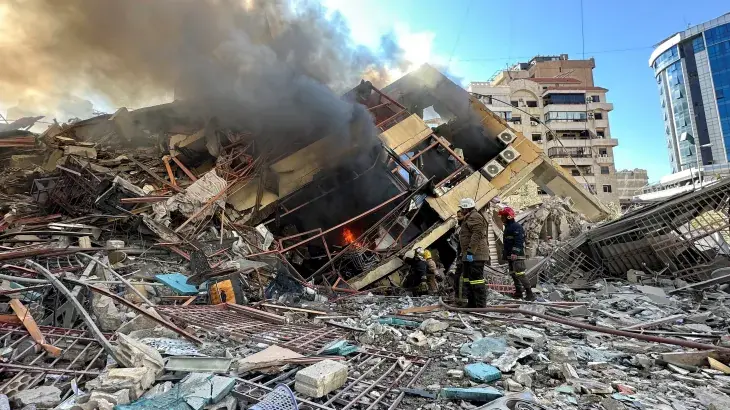
The focus of the most recent controversy is the Omid Addiction Treatment Hospital in Kabul, which the Taliban government asserts was struck by Pakistani forces. According to Hamdullah Fitrat, Afghanistan's deputy government spokesperson, the hospital is a 2,000-bed facility dedicated to treating drug addiction, and many of the reported 400 fatalities and 250 injured were patients within its walls. The Health Ministry spokesman, Sharafat Zaman, further stated that all parts of the hospital had been destroyed. Local television stations have reportedly shown footage of firefighters attempting to extinguish flames amidst the ruins of a building, consistent with the reported destruction.
Pakistan, however, has strongly refuted these claims, maintaining that its airstrikes did not target any civilian sites. Instead, Pakistani officials contend that their operations were precision strikes against military installations and terrorist support infrastructure. The discrepancy in these accounts highlights the challenges of obtaining accurate and unbiased information in a conflict zone, especially when official statements from opposing sides are directly contradictory. The question of the actual target remains a point of severe contention and is central to the international response.
International Reaction and Mediation Efforts
The escalating conflict and the alleged strike on a civilian hospital have drawn significant international attention. The United Nations Assistance Mission in Afghanistan (UNAMA) has previously documented civilian casualties in earlier incidents, underscoring ongoing humanitarian concerns. The international community has called for restraint and de-escalation from both sides.
China, a regional power with interests in both countries, has taken an active role in attempting to mediate the dispute. Chinese special envoys have been shuttling between Kabul and Islamabad, urging both nations to remain calm, exercise restraint, and engage in face-to-face dialogue to achieve a ceasefire and resolve their differences. Despite these diplomatic efforts, calls for a ceasefire have largely gone unheeded, as the fighting intensified, culminating in the recent alleged strike on the Kabul hospital. The broader geopolitical implications, especially with other global conflicts unfolding, add urgency to calls for a peaceful resolution and understanding of regional conflict and global repercussions.
The international community is increasingly concerned that the continued conflict could further destabilize a region already grappling with the presence of various militant organizations, including al-Qaida and the Islamic State group, which are reportedly attempting to resurface.
Humanitarian Impact and Future Outlook
The ongoing conflict between Afghanistan and Pakistan has a profound humanitarian impact, extending beyond the immediate casualties of military strikes. The UNAMA has highlighted the significant toll on civilians, with previous reports indicating dozens of deaths and hundreds of injuries in cross-border violence. The December 2024 strikes, for instance, reportedly led to the deaths of numerous women and children, raising alarms about the protection of non-combatants. Beyond direct casualties, military operations, such as the Pakistani "targeted operation" in Bajaur in August 2025, have displaced tens of thousands of residents, forcing them to flee to safer areas and disrupting lives.
The alleged strike on the Omid Addiction Treatment Hospital, if confirmed as a civilian target, represents a grave violation of international humanitarian law and would significantly worsen the already dire humanitarian situation. The sheer number of reported fatalities and injuries from a single incident underscores the devastating potential of such attacks. Such incidents contribute to widespread fear and instability, making it difficult for aid organizations to operate effectively and provide much-needed assistance. The destruction of a large medical facility further strains an already fragile healthcare system in Afghanistan.
With Pakistan declaring an "open war" and Afghanistan vowing a "calculated response," the future outlook for peace and stability along the border remains bleak. Despite diplomatic overtures, a lasting solution appears distant as both sides continue to accuse each other of aggression and harboring hostile elements. The international community's ability to de-escalate the situation and bring both parties to a sustained dialogue table will be crucial in preventing further loss of life and a deeper regional crisis. The humanitarian consequences demand immediate attention and a concerted effort to protect civilian lives and infrastructure.
Conclusion
The claim of 400 Killed in Pakistan Strike on Afghanistan Kabul, specifically targeting a hospital, represents a horrifying pinnacle in the ongoing cross-border conflict between Afghanistan and Pakistan. While the Taliban government firmly asserts the civilian nature of the target and the high casualty count, Pakistan vehemently denies these allegations, maintaining that its actions are directed solely at terrorist infrastructure. This stark divergence in narratives underscores the deeply entrenched mistrust and the urgent need for independent verification of facts. As the international community calls for restraint and dialogue, the humanitarian consequences of this escalating "open war" are severe and immediate, leaving countless lives at risk and further destabilizing an already fragile region. The path to de-escalation remains uncertain, with the tragic incident serving as a stark reminder of the human cost of unresolved geopolitical tensions.
Frequently Asked Questions
Q: What was the target of the Pakistan strike in Kabul?
A: The Taliban government claims the strike targeted the Omid Addiction Treatment Hospital, a 2,000-bed drug rehabilitation facility in Kabul. Pakistan, however, denies targeting civilians, asserting its operations were aimed at militant infrastructure.
Q: What were the reported casualties?
A: Taliban officials reported approximately 400 people killed and 250 injured in the alleged strike. These casualties primarily included patients undergoing treatment at the hospital, according to Afghan deputy government spokesperson Hamdullah Fitrat.
Q: Has Pakistan admitted targeting civilians?
A: No, Pakistan has vehemently denied targeting any civilian sites in Kabul. Islamabad maintains that its military operations were intelligence-based and precisely aimed at "military installations and terrorist support infrastructure" linked to militant groups.