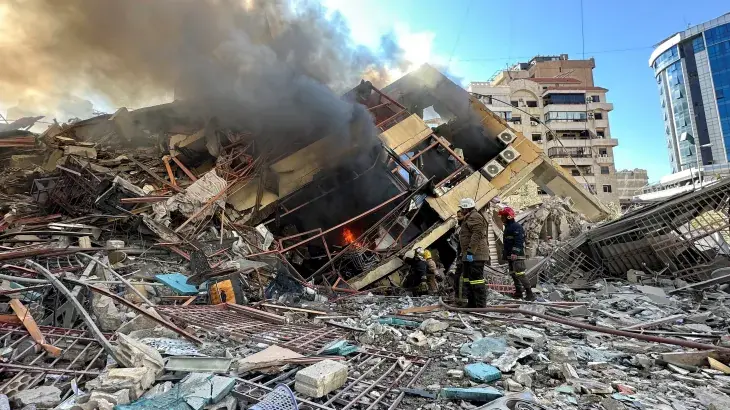
The global community continues to monitor the volatile situation in the Middle East with apprehension. As 15 Days Passed since Iran War update, the geopolitical landscape remains fraught with uncertainty, signaling ongoing tensions that ripple across international borders. This period has seen a flurry of diplomatic activities, regional maneuvering, and continued concerns over stability, underscoring the complexities inherent in the region. The recent developments demand close scrutiny from world leaders and the general public alike, as the repercussions extend far beyond immediate conflict zones. The broader implications for energy markets, international relations, and humanitarian efforts are now becoming increasingly apparent, highlighting the critical nature of the current moment.
Escalating Tensions: A Look Back at Recent Weeks
The past fortnight has been characterized by a noticeable uptick in regional rhetoric and strategic movements, further complicating an already delicate balance of power. Prior to the initial reports of the "Iran War update," there had been a steady build-up of friction, stemming from a confluence of factors including long-standing historical grievances, proxy conflicts, and economic sanctions. This echoes patterns observed in events like the IRAN WAR Escalates: Regional Conflict and Global Fallout. These underlying currents have consistently fueled a climate of distrust and anticipation, setting the stage for the current state of heightened alert. Analysts point to several key incidents in the preceding months that contributed to the current escalation, creating a domino effect that has brought the region to a critical juncture.
Key Incidents Leading to the Current Standoff
Before the current "Iran War update," a series of events had progressively raised alarm bells across international intelligence communities. These included reported skirmishes in strategic waterways, cyberattacks attributed to various state-backed actors, and increased missile development activities within the region. Each incident, while perhaps isolated at the time, contributed to a broader narrative of an impending confrontation. The sustained pressure from international sanctions had also exacerbated domestic challenges within Iran, potentially influencing its foreign policy calculus and leading to more assertive postures in regional affairs.
Furthermore, the involvement of various non-state actors, often supported by regional powers, has added another layer of complexity. These proxy groups frequently operate in grey zones, making attribution difficult and de-escalation efforts challenging. Their actions, whether deliberate or opportunistic, often serve to inflame existing tensions and provide pretexts for further military or political maneuvering by major state actors. The lack of clear communication channels between all parties involved has also hindered effective conflict resolution mechanisms, allowing misunderstandings and miscalculations to fester.
International Reactions and Diplomatic Efforts
In the wake of the initial reports, global powers swiftly reacted, with many nations urging restraint and calling for immediate de-escalation. The United Nations Security Council held emergency sessions, though achieving consensus on a unified approach proved challenging due to differing national interests among its permanent members. Simultaneously, regional bodies and individual states engaged in bilateral talks, attempting to establish lines of communication and mediate between the primary parties involved. However, these efforts have been met with mixed success, reflecting the deep-seated animosities and lack of trust that permeate the region.
Several countries have also issued travel advisories for their citizens, reflecting the perceived increase in risk within the Middle East. Economic blocs, concerned about the potential impact on global trade and energy supplies, have also called for a peaceful resolution. The international community's response underscores the widespread recognition of the profound global implications should the situation escalate further. The focus of diplomatic efforts has been twofold: preventing further military engagement and exploring avenues for dialogue that could lead to a sustainable ceasefire or a more permanent peace agreement.
Regional Dynamics and What 15 Days Passed Since Iran War Update Reveals
The period following the initial update has cast a stark light on the intricate web of alliances and rivalries that define the Middle East. Regional players, each with their own strategic objectives and security concerns, have taken varied stances, further fragmenting the path towards a unified response. Nations with strong ties to either Iran or opposing regional powers have found themselves in difficult positions, attempting to balance loyalty with the imperative of regional stability. This delicate balancing act often involves intricate backroom negotiations and carefully worded public statements, designed to project strength while avoiding further provocation.
The involvement of external powers, particularly the United States and European nations, continues to be a defining factor. Their military presence, economic leverage, and diplomatic influence play a crucial role in shaping the regional security architecture, as seen in previous Iran vs Usa War Update: Escalating Tensions and Regional Stability. The ongoing tensions highlight the challenges faced by these external actors in navigating a complex environment where their interventions can inadvertently exacerbate rather than alleviate conflict. The strategic competition between major global powers often plays out in this region, turning local disputes into international flashpoints.
Economic Repercussions and Global Markets
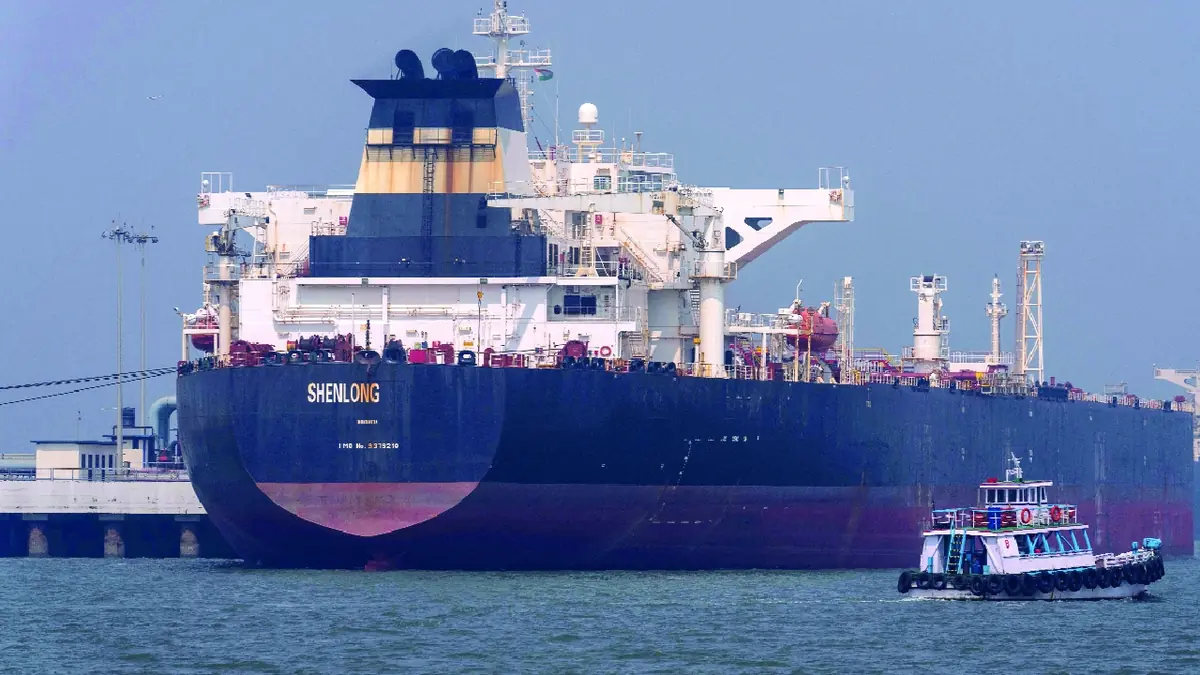
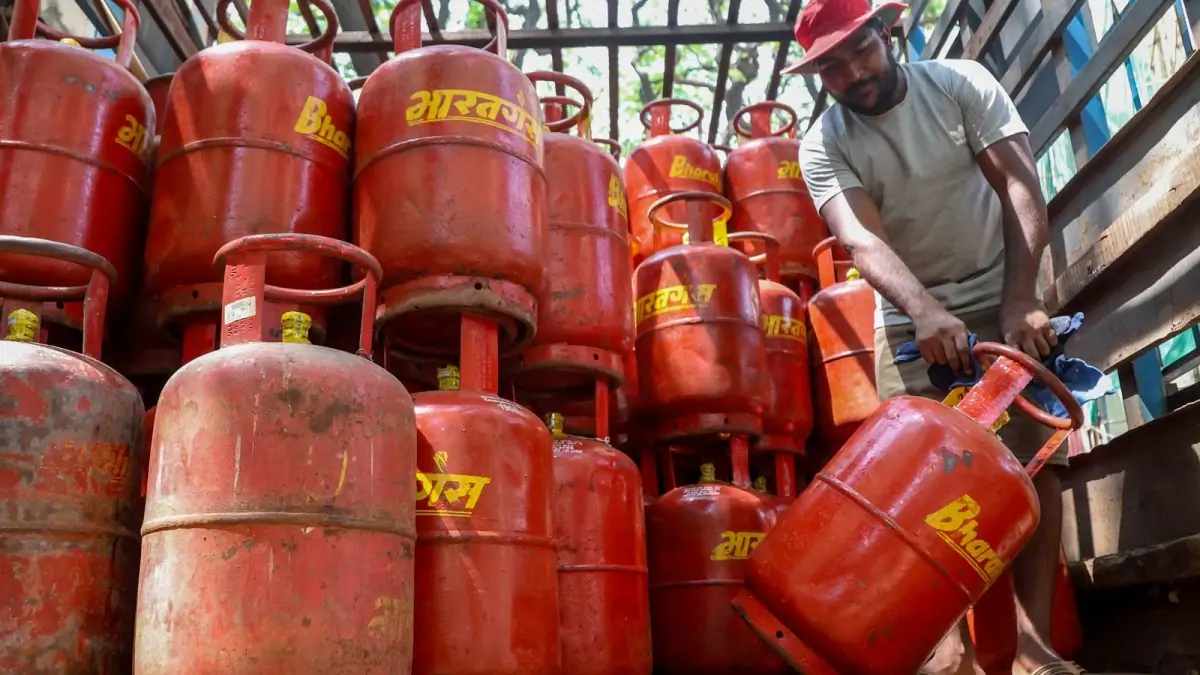
The immediate aftermath of the initial "Iran War update" saw a noticeable impact on global markets, particularly in the energy sector. Oil prices experienced fluctuations as concerns mounted over the security of vital shipping lanes through which a significant portion of the world's crude oil passes, directly impacting global energy costs, similar to previous crises that led to LPG Gas Prices Skyrocketing in India: Chaos Amid Iran War. While initial spikes have somewhat stabilized, the underlying volatility remains, sensitive to any new developments or rhetoric. This instability threatens to disrupt global supply chains and could have far-reaching consequences for economies worldwide, particularly those heavily reliant on imported energy.
Beyond oil, other sectors also felt the ripple effects. International trade routes, already under pressure from existing geopolitical tensions, faced additional scrutiny. Insurance premiums for shipping in the region increased, adding to operational costs for businesses. Furthermore, investor confidence in emerging markets connected to the Middle East saw a dip, as financial analysts reassessed the risk landscape. The economic ramifications serve as a potent reminder of the interconnectedness of the global economy and how regional conflicts can quickly translate into worldwide financial instability.
Humanitarian Concerns and Civilian Impact
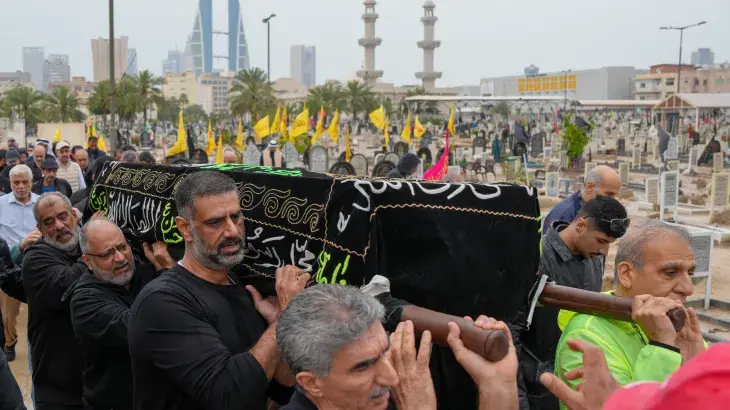
Amidst the geopolitical maneuvering, the humanitarian situation in and around Iran remains a paramount concern. While specific details on civilian casualties or displacements following the immediate "Iran War update" are often difficult to verify independently, historical precedents suggest that any prolonged conflict inevitably leads to immense human suffering. Aid organizations and international bodies have voiced deep concerns about the potential for a humanitarian crisis, particularly given the existing vulnerabilities in the region due to ongoing conflicts and economic hardships. Access to essential services, including food, water, and medical care, could be severely hampered, leading to a rapid deterioration of living conditions for millions.
The specter of large-scale displacement looms large, with neighboring countries bracing for potential refugee flows. Such movements would place immense strain on already stretched resources and infrastructure in host nations, creating secondary crises. Human rights groups are also closely monitoring the situation, advocating for the protection of civilians and adherence to international humanitarian law by all parties involved. The potential long-term psychological and societal impacts of conflict on affected populations are also a significant concern, requiring sustained international attention and support.
Diplomatic Efforts and Future Outlook
In the 15 days passed since the initial "Iran War update," intense diplomatic efforts have been underway, albeit largely behind closed doors. Various international envoys and regional mediators have been working tirelessly to de-escalate the situation and prevent a full-blown conflict. These efforts often involve shuttle diplomacy, discreet communications channels, and the formulation of proposals aimed at finding common ground between adversaries. The challenge lies in overcoming decades of animosity and distrust, which often prove to be formidable obstacles to meaningful dialogue.
The primary objectives of these diplomatic initiatives include securing a ceasefire, establishing confidence-building measures, and eventually paving the way for more comprehensive political negotiations. However, the success of these efforts hinges on the willingness of all parties to compromise and prioritize regional stability over narrow national interests. The international community, through organizations like the UN, continues to play a vital role in facilitating these discussions and providing platforms for dialogue that might otherwise be impossible.
Key Players and Their Stances
The array of actors involved in the Iran situation makes any resolution exceedingly complex.
-
Iran: Maintains its right to self-defense and nuclear program development, viewing external pressures as infringements on its sovereignty. It seeks to consolidate its regional influence and push back against perceived foreign interference. Its leadership emphasizes resilience against sanctions and military threats.
-
United States: Seeks to contain Iran's regional influence, prevent nuclear proliferation, and ensure the security of its allies. It often employs a combination of sanctions, military deterrence, and diplomatic pressure to achieve its objectives. The US stance is largely shaped by concerns over maritime security and the protection of global trade routes.
-
Regional Allies (e.g., Saudi Arabia, UAE, Israel): Share concerns about Iran's ballistic missile program, support for proxy groups, and regional ambitions. These nations often advocate for stronger international action against Iran and maintain their own robust defense capabilities. Their security doctrines are heavily influenced by the perceived threat from Iran.
-
European Union: Emphasizes diplomatic solutions, adherence to international agreements, and de-escalation. The EU often seeks to act as a mediator, advocating for a return to the Joint Comprehensive Plan of Action (JCPOA) and emphasizing multilateral engagement. Their focus is on preserving regional stability and preventing wider conflict.
-
Russia and China: Often critical of Western unilateralism, they maintain economic and strategic ties with Iran. They tend to advocate for dialogue and oppose what they view as excessive external interference in the region. Their influence often serves as a counterbalance to Western pressures.
The divergent interests and entrenched positions of these key players underscore the difficulty in forging a unified path forward. Each actor operates within a complex web of historical context, current geopolitical realities, and future aspirations, making negotiations a delicate balancing act.
Potential Scenarios Moving Forward
As the international community grapples with the fallout, several potential scenarios for the coming weeks and months are being considered:
- De-escalation through Diplomacy: Intense diplomatic efforts lead to a fragile ceasefire and renewed negotiations, potentially involving a multilateral framework. This scenario relies on a significant shift in political will and a willingness from all sides to make concessions. Success here could avert a larger conflict and open avenues for long-term peace.
- Prolonged Standoff: The current state of heightened tension continues without open conflict, characterized by periodic skirmishes, cyberattacks, and intense political rhetoric. This "no war, no peace" scenario can be highly unstable, with a constant risk of miscalculation leading to escalation. It also places a sustained burden on regional economies and populations.
- Limited Conflict: Isolated military engagements occur, possibly targeting specific strategic assets or proxy forces, without escalating into a full-scale war. Such a scenario carries the risk of unintended consequences and could quickly spiral out of control if not carefully managed by all parties.
- Wider Regional Conflict: The worst-case scenario involves a full-scale military confrontation that draws in multiple regional and international actors, leading to widespread destruction and a major humanitarian crisis. This outcome would have catastrophic implications for global stability, energy markets, and international relations.
Each scenario presents its own set of challenges and opportunities, and the path taken will depend on a multitude of factors, including the effectiveness of diplomatic channels, the restraint of military actors, and unforeseen events. The global community remains hopeful for a diplomatic resolution, recognizing the devastating potential of any further escalation.
Conclusion: The Path Ahead After 15 Days Passed Since Iran War Update
The period since the initial "Iran War update" has been a test of diplomatic resolve and regional resilience. With 15 Days Passed since Iran War update, the urgency for a peaceful resolution has only intensified, as the potential consequences of a wider conflict become increasingly clear. The global community must continue to prioritize de-escalation, support robust humanitarian efforts, and foster dialogue channels that can lead to a sustainable and just peace in the Middle East. The interconnectedness of global affairs means that the stability of this vital region impacts everyone, making a concerted international effort not just desirable, but essential. The coming days and weeks will be critical in determining the trajectory of this evolving crisis, demanding wisdom, restraint, and decisive action from all involved parties.
Frequently Asked Questions
Q: What are the main causes of the ongoing tensions involving Iran?
A: Tensions stem from a complex interplay of historical grievances, ongoing proxy conflicts, stringent economic sanctions, and persistent international concerns over Iran's nuclear program. These multifaceted issues contribute to a highly volatile regional dynamic.
Q: How has the situation impacted global oil prices and trade?
A: The perceived instability in the Middle East has led to noticeable fluctuations in global oil prices and heightened concerns regarding the security of vital shipping lanes. This directly affects international trade routes and contributes to global economic uncertainty.
Q: What role are international diplomatic efforts playing in de-escalation?
A: Intense diplomatic efforts, often conducted through discreet channels by various international envoys and regional mediators, are underway. Their primary goal is to secure a ceasefire, establish confidence-building measures, and facilitate comprehensive political negotiations to prevent wider conflict.